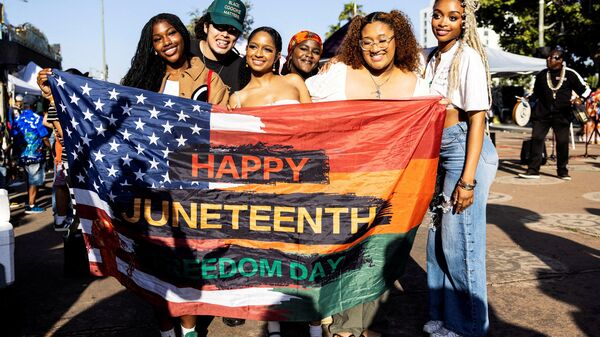
Juneteenth, one of the newest federal holidays in the United States, commemorates the end of slavery in the country and serves as a day of reflection, and celebration of African American history and culture. As Americans prepare to observe the holiday in 2026, here’s everything you need to know about its history, significance, celebrations and what services may be affected.
What is Juneteenth?
Juneteenth, a combination of the words “June” and “nineteenth,” marks June 19, 1865 — the day when Union troops arrived in Galveston, Texas, and informed enslaved African Americans that they were free.
The announcement came more than two years after President Abraham Lincoln issued the Emancipation Proclamation on January 1, 1863.
Although the proclamation legally declared enslaved people in Confederate states free, enforcement depended on the advance of Union forces during the American Civil War. As a result, many enslaved people in Texas remained unaware of their freedom until June 19, 1865.
That date has since become a symbol of emancipation and freedom.
Why is Juneteenth significant?
Juneteenth is widely regarded as the nation’s longest-running celebration of the end of slavery.
The holiday honors the resilience, achievements and contributions of African Americans while also encouraging reflection on the legacy of slavery, racial inequality and the pursuit of civil rights.
For many communities, Juneteenth is both a celebration of freedom and an opportunity to educate future generations about a critical chapter in American history.
Is Juneteenth a federal holiday?
Yes.
Juneteenth became a federal holiday in 2021 when then-President Joe Biden signed the Juneteenth National Independence Day Act into law.
It is officially known as Juneteenth National Independence Day and is observed annually on June 19.
When is Juneteenth in 2026?
Juneteenth falls on Friday (June 19, 2026).
Because it falls not on a weekend, federal offices, many businesses and institutions will observe the holiday on Friday.
How is Juneteenth celebrated?
Celebrations vary across the United States but often include:
-Community festivals and parades
-Educational events and historical exhibitions
-Cultural performances and concerts
-Family gatherings and picnics
-Prayer services and church events
-Public readings and discussions about African American history
-Volunteer and community service activities
Many cities host large public celebrations featuring music, food, art and cultural programs that highlight African American heritage.
Traditional Juneteenth foods often include barbecue, red velvet cake, red drinks and other dishes that carry historical and cultural significance.
Are banks open on Juneteenth 2026?
Banks will be closed because as Juneteenth is a federal holiday recognized by the Federal Reserve System.
Customers should expect:
-Bank branches to be closed
-ATMs to remain available
-Online and mobile banking services to continue operating
Transaction processing may be delayed until the next business day.
Is the post office open?
No.
The United States Postal Service observes Juneteenth as a federal holiday.
As a result:
-Post offices will be closed
-Regular mail delivery will be suspended
-Retail postal services will not operate
Priority services may have different schedules depending on location.
What else is closed?
Because Juneteenth is a federal holiday, several government and public services are generally closed, including:
-Federal government offices
-Most federal agencies and offices suspend operations.
-Federal courts
-Stock markets
Major US financial markets, including the S&P 500, are closed for trading.
Many state and local offices
-Numerous state governments, schools and municipal offices also observe the holiday, although schedules can vary.
What remains open?
Many private businesses continue operating on Juneteenth.
Open services include:
-Grocery stores
-Restaurants
-Shopping malls and retail stores
-Gas stations
-Pharmacies
-Entertainment venues
However, hours may vary by location, and some companies provide employees with paid time off in observance of the holiday.
Why Juneteenth continues to matter
More than 160 years after the events of June 19, 1865, Juneteenth remains a powerful reminder of freedom, justice and equality. The holiday not only commemorates the end of slavery but also encourages Americans to reflect on the nation’s history and the continuing effort to build a more inclusive society.