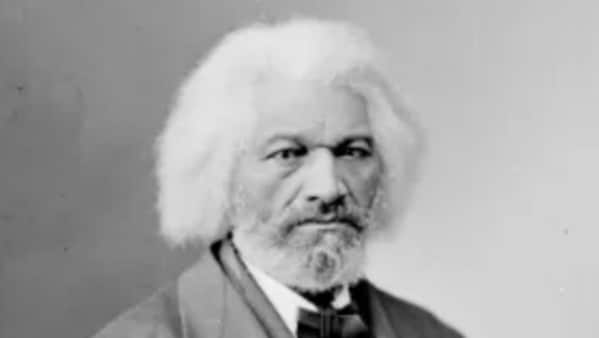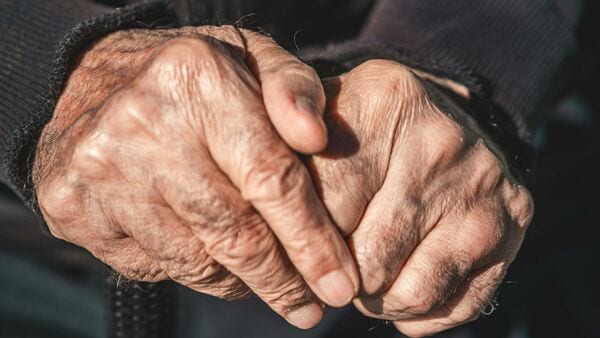
Every culture has its ways of trying to bridge the gap between generations, but few do it with the poetic balance of the Irish.
Today’s proverb—“Age is honourable, and youth is noble”—is a beautiful blueprint for mutual respect. It doesn’t pit the old against the young or declare a winner in the battle of experience versus energy. Instead, it holds up a mirror to both sides of life, finding distinct, irreplaceable value in each.
What does it mean
At its core, this proverb is an exercise in symmetry.
To say that age is honourable recognises that a long life is an achievement in itself. It honours the wrinkles, the stories, and the hard-won wisdom that only time can bake into a person.
In old Ireland, the elders were the living libraries of the community, carrying the history, the folklore, and the practical survival skills of the clan. Honour was the currency paid for a lifetime of endurance and contribution.
Conversely, to say that youth is noble shifts the focus to potential, ideals, and spirit. Nobility here isn’t about royal blood; it is about the high-minded, uncorrupted nature of the young. Youth is the season of fierce idealism, courage, and the willingness to challenge the status quo.
It is noble because it is driven by a pure, energetic desire to see the world as it could be, unburdened by the cynicism that repeated failures can sometimes bring.
Where does it come from
To understand this proverb, you have to look at the fabric of traditional Irish society. Gaelic culture was deeply rooted in oral tradition and communal living.
In a world without Google or printed manuals, the Seanchaí (the traditional storytellers and custodians of history) were older members of the community. They were deeply revered because their memory was the tribe’s only link to its past.
However, Irish mythology is also obsessed with the vibrant, heroic energy of youth. Look no further than the tales of Fionn mac Cumhaill and the Fianna—a legendary band of young, noble warriors who lived by strict codes of honour, justice, and bravery.
The ancient Irish understood a fundamental truth: a society needs the caution and memory of its elders to survive, but it needs the fiery nobility of its youth to defend itself, grow, and renew.
Why does it still matter today
In the modern world, we have largely broken this symmetry. We live in a culture that frequently silos the generations. On one side, we have an age-obsessed media landscape that treats growing older as a flaw to be corrected rather than an honour to be earned. On the other side, we see older generations dismissing the youth as overly sensitive or distracted, missing the raw, noble idealism driving their passion for social change, technology, and justice.
This proverb matters today because it acts as a corrective lens. It reminds us that a healthy society requires a handshake between the generations, not a fistfight. When we honour the aged, we preserve our roots and anchor ourselves in proven wisdom. When we champion the young, we fuel our forward momentum.
Another Perspective
The Irish also say, “The old man for counsel, and the young man for action.”
At first glance, this looks similar, but it fundamentally shifts the perspective from a romantic view of character to a cold, functional view of utility.
Where the first proverb focuses on inherent virtues—calling youth “noble” and age “honourable”—this alternative strips away the poetry and focuses strictly on roles and limitations. It serves as a reminder that sentimentality doesn’t get things done.
- Shadow of age: By stating that the old are only for counsel, it introduces the reality of physical decline. It suggests that while the elderly may possess a wealth of knowledge, they can no longer carry the physical burden of executing it. It can be read as a polite way of sidelining them—valuing their words but keeping them off the field.
- Shadow of youth: By restricting the young to action, it implies they lack the judgment required to make decisions. It paints youth not as a time of noble ideals, but as a period of raw, unguided horsepower. The young are the engine, but they are explicitly denied the steering wheel.