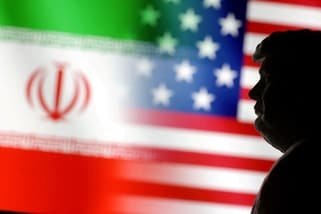
President Donald Trump’s economic pressure on Iran has received far less attention than his military strikes, even though senior US officials believe the economic measures could ultimately hurt Iran’s regime more than bombs.
“The Iranians want to stop being bombed, and they want money,” a senior administration official said, as reported by Axios. “But that’s almost in reverse order. They really want the money first.”
US intelligence and several open-source reports show that Iran is currently facing a growing economic crisis, including acute gasoline shortages.
“Intelligence is picking up that the Iranians are complaining they can’t pay their fighters,” another official said. “Why? Because of the financial pressures. Because of what [Treasury Secretary] Scott Bessent is doing.”
“They’re in danger of runs on banks. There are gasoline shortages in this giant oil-rich country,” the official added. “They’re more scared of Treasury than the War Department.”
The Trump administration is planning to expand its maximum pressure tactics against Iran, sanctioning more than 1,000 individuals, ships and aircraft linked to its oil trade, financial networks, weapons purchases and shipping operations.
About the President’s motives, White House press secretary Karoline Leavitt told Axios that Trump “prefers a diplomatic solution, but he continues to retain all options if Iran continues terrorist activities in the Strait of Hormuz or against allies”.
“Combined with successful sanctions that have crippled Iran’s economy and 13 straight days of strikes against military targets in response to their repeated aggression, it would be wise for Iran to work toward a negotiated deal,” she said. “Otherwise, they know what will happen.”
But can the sanctions really force Iran to back down?
Iran’s oil income is giving it some room to withstand US pressure. The country earned an estimated $23 billion from oil in the first half of the year, more than it had budgeted, according to Brett Erickson of Obsidian Risk Advisors.
That raises doubts over whether Trump’s military and economic pressure will be enough to push Tehran to accept his demands.
“Economic warfare is a fundamentally broken approach to the Iran War,” Erickson wrote Monday on X.
How did Iran respond?
Sanctions and blockades should not be used to frighten the Iranian people, Vice President Mohammadreza Aref said on Tuesday.
“Our people are resilient and can endure. Of course, there will be costs, and that is natural, but the people must not be frightened with sanctions or blockades,” he said.
Aref said Iran sought to resolve disputes through dialogue but would defend itself if war resumed.
US pauses strikes against Iran
Trump, who paused US strikes against Iran over the weekend after 13 consecutive days of attacks, said Monday that Tehran had requested a meeting to discuss a deal. Iran denied the claims.
However, both sides are talking to mediators, led by Oman, Qatar and Pakistan. A key part of the talks is a proposal that would give Iran and Oman greater control over shipping through the Strait of Hormuz, along with the opportunity to earn revenue from it. Also, Iran is seeking guarantees that the US will not attack it again, along with financial relief through the release of frozen assets and an end to US sanctions.
Trump, meanwhile, is reluctant to reward Iran for disrupting traffic through the Strait of Hormuz and is demanding that Tehran give up the nuclear material it still has.