Ebrahim Rezaei, a member of Iran’s parliament national security committee, warned of retaliation following , writing on X that Iran “will give a decisive and painful response to the Zionist regime’s attack on Dahieh.”
In a message directed at Israel, Rezaei told followers to “watch the skies” over Israel tonight, signaling the possibility of a response from Iran or its regional allies.
Israel hits Hezbollah stronghold in Beirut
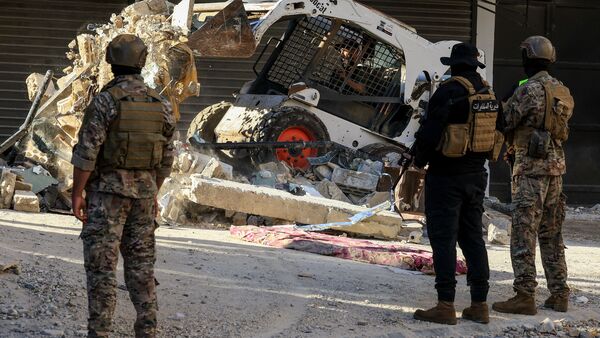
Israel struck Beirut’s southern suburbs on Sunday (June 7), targeting what Israeli officials described as a , a Shiite district widely regarded as a Hezbollah stronghold.
Israeli Prime Minister said the operation was carried out in response to Hezbollah missile launches toward northern Israel earlier in the day.
“The strike was ordered after Hezbollah fired toward Israel,” Netanyahu said, adding that Israel would continue targeting Beirut whenever Hezbollah attacks northern Israeli communities.
According to Lebanon’s state news agency, at least two people were killed and around a dozen others were wounded in the strike.
Ceasefire efforts under strain
The attack marked the first Israeli strike on Beirut’s outskirts since the United States announced a Lebanon truce initiative last week.
The proposal emerged after reportedly pressured Netanyahu to reduce in order to preserve diplomatic efforts aimed at ending the wider regional conflict.
and subsequently announced a partial ceasefire under which Israel agreed not to strike Beirut while Hezbollah halted attacks on Israeli border towns.
On Wednesday, Israel and Lebanon reached a broader ceasefire agreement that called for Hezbollah to cease attacks and withdraw fighters from areas south of the Litani River.
However, Hezbollah rejected the terms on Thursday, insisting it would not surrender its weapons or positions unless Israel completely halted military operations and withdrew from Lebanese territory.
As a result, the ceasefire remained largely unenforced.
Iran links Lebanon fighting to wider negotiations
Iran has repeatedly stated that any broader peace arrangement with the United States depends on a durable ceasefire in Lebanon.
The latest escalation threatens already fragile diplomatic contacts between Washington and Tehran.
President but warned of consequences if talks fail.
“We’re very close to a deal, or I’m going to blow the hell out of them,” Trump told NBC News.
Iranian officials argue that continued Israeli operations undermine diplomatic efforts and demonstrate a lack of commitment to negotiated solutions.
Strait of Hormuz tensions escalate
The wider conflict has remained deadlocked since the United States and Israel paused direct attacks on Iran in early April.
Since then, Tehran has disrupted shipping through the Strait of Hormuz, one of the world’s most important oil transit routes, while Washington has maintained pressure on Iranian maritime activity.
Military confrontations have continued despite ongoing negotiations.
US forces struck Iranian radar facilities in Goruk and on Qeshm Island on Saturday after intercepting drones that American officials said threatened maritime traffic in the strait.
The US military later reported shooting down two additional Iranian drones.
Iran’s Revolutionary Guards responded by launching missiles toward U.S. military facilities in Kuwait and Bahrain, according to Iranian statements.
Kuwait’s military said seven ballistic missiles crossed over populated areas, causing material damage but no casualties.
Qalibaf warns US bases are “legitimate targets”
Iranian Parliament Speaker Mohammad Baqer Qalibaf issued a separate warning on Sunday, accusing Washington and Israel of violating ceasefire commitments and escalating the conflict.
“They are neither committed to a ceasefire nor believe in dialogue, and through the naval blockade and violation of agreements regarding Lebanon they showed that they only understand the language of power,” Qalibaf wrote on X.
He added that US military installations and Israeli assets across the Middle East had become “legitimate targets” as a result of what he described as continued aggression.