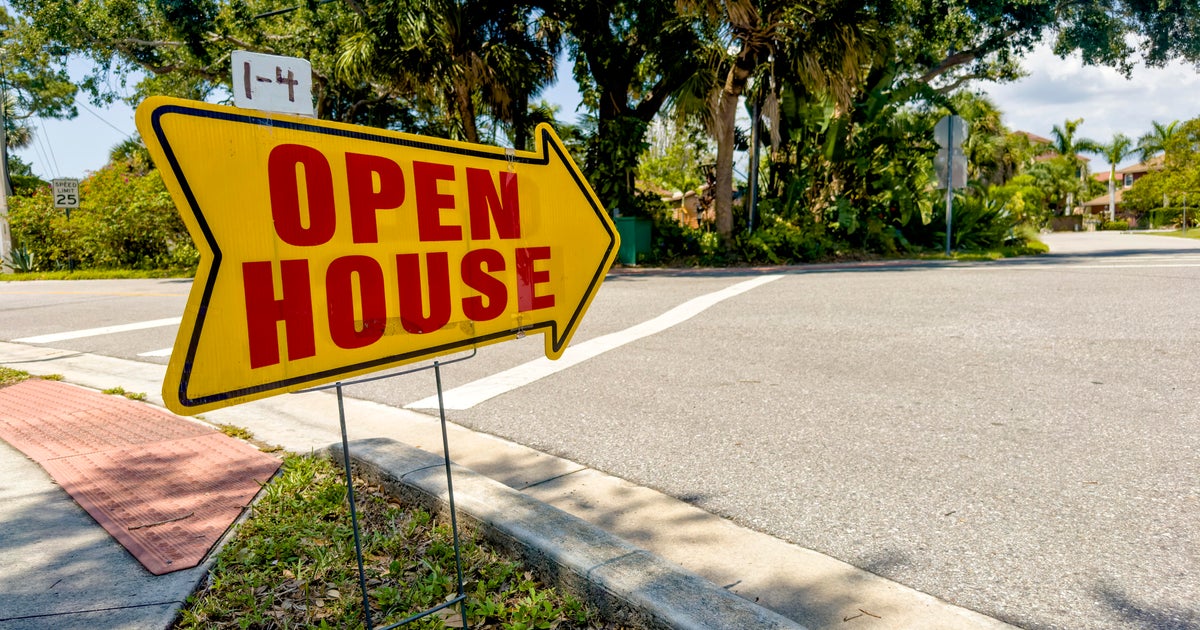
The real estate market is going through a reset in some parts of the U.S., with median sale prices in about one-third of major cities falling this year.
Median sale prices dipped in the first three months of 2026 in 39 out of the largest 129 cities across the U.S., with many located in Florida, California and Southwestern states, according to a report from real estate data company ATTOM. The biggest decline was in Florida’s Cape Coral-Fort Myers region, where the median home sale price declined 9% to $341,250 in the first quarter compared with the year-ago period.
Many cities now experiencing price declines also saw big run-ups in home valuations during the pandemic, such as Austin, Texas. Other metro areas are struggling because of pressures from rising homeowners’ insurance and property taxes, according to Jake Krimmel, senior economist at Realtor.com.
“If we want to just focus on the ones that are struggling and declining, it’s going to be, for the most part, metros in the south and the west, and Florida has been one in particular,” Krimmel told CBS News. “It involves more of a pandemic boom, and — I would almost hesitate to say bust — but maybe a come-down or back to reality.”
Bryce Ocepek, a broker who runs a Coldwell Banker franchise affiliate in northeast Florida, said homes in some pockets of the state are being snatched up quickly when priced correctly. But if a seller’s initial listing price is too high, the house often sells for less than its worth, he said.
“It sits on the market, and then they price drop it, then it sits longer and they price drop it, and then they end up getting beat up by buyers that have leverage,” he told CBS News.
Homeowners in Florida have paid the highest insurance rates of any state for several years, according to Insurify, an insurance comparison site. The average homeowners’ insurance rate in Florida jumped 18% to $8,292 last year, driven by hurricane risk, according to a March analysis by the site.
“Florida’s inherent geographic risk keeps premiums more expensive than in other states,” the Insurify analysis noted. “Premiums are highest in the southern part of the state, where hurricanes threaten high concentrations of expensive homes. The most expensive counties are Monroe ($22,436), Miami-Dade ($15,715) and Palm Beach ($14,235).”
Insurance premiums spiked in Florida after certain flood zones were reevaluated following a recent hurricane, Ocepek said.
“We’ve even seen some situations where that’s why people are selling to begin with, because their insurance policy was dropped or reassessed and they either couldn’t insure it or couldn’t afford the policy any longer,” he said.
Home prices in the Cape Coral-Ft. Myers metropolitan region peaked in early 2023, according to a house price index published by the Federal Reserve Bank of St. Louis.
Other Florida cities experiencing price declines in early 2026 include Ocala, Lakeland-Winter Haven and the Naples-Immokalee-Marco Island area, the ATTOM data shows.
“Whenever a property becomes uninsurable because of hurricane damage sustained, it’s significantly devaluing it, like it’s not just a couple points,” Ocepek said. “That can also skew the data a little bit, where some properties get creamed, and other ones are holding their value based on kind of pockets that have gotten hit by the hurricane or not.”
About half of Floridians say they are considering leaving the state because of its high cost of living, according to a November poll from Florida Atlantic University’s Business and Economic Polling Initiative. About 8 in 10 of those polled said they are concerned about housing affordability.
To be sure, some cities saw rising home prices in the first quarter, especially in the Rust Belt, where values didn’t rise significantly during the pandemic. In Detroit, for instance, sale prices in the first three months of 2026 jumped about 17% to $259,000.
Even so, the real estate market across the U.S. is shifting toward a more buyer-friendly landscape, providing some relief to house hunters who have felt locked out of the market over the past few years, Krimmel noted.
“There is real benefit for buyers this spring in particular,” he said. “Financing is a little cheaper, and you also have now the added benefit of median prices actually coming back down, and there’s more homes on the market as well.”
Mortgage rates are now hovering about 6.3% — far higher than the pandemic lows of below 3%, but lower than the average rate of 6.8% a year ago, according to Freddie Mac data.
“Sellers are coming in with more realistic expectations. April was the sixth straight month nationally where we saw list prices come down on a year-over-year basis, so it tells us that people are pricing their homes a little less this year than last,” Krimmel said. “I wouldn’t say it’s a full rebound or back to normal. It just seems that it’s a bit of a normalization.”
contributed to this report.