Google is pursuing authorization from US regulatory bodies for a distinctive public health initiative that may involve the release of up to 32 million bacteria-infected mosquitoes in certain regions of and .
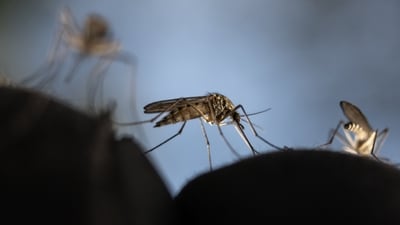
As reported by Yahoo, this initiative aims to diminish the populations of disease-carrying mosquitoes by introducing specially treated insects that can interfere with reproduction and curtail the transmission of mosquito-borne diseases.
The planned implementation will not occur at once. Rather, the mosquitoes will be released incrementally over a period of two years in targeted locations known for elevated mosquito activity and disease spread.
Also Read:
How the mosquitoes function
The are exposed to bacteria that impair their reproductive capabilities, thereby assisting in the reduction of the population of insects that can transmit dangerous diseases.
By disrupting breeding patterns, scientists aim to decrease mosquito numbers gradually and diminish the likelihood of disease outbreaks in specific communities.
Approval is awaited
Authorities are anticipated to evaluate safety data, environmental impact assessments, and monitoring plans prior to determining whether the advantages of the program surpass any possible ecological risks.
If granted approval, would closely observe the outcomes, gathering data throughout the two-year trial period and modifying its approach based on the results.
This proposal is part of wider initiatives aimed at investigating innovative methods for controlling mosquito-borne diseases without exclusively depending on conventional insecticides.
An experimental study published in the Journal of Experimental Biology revealed that mosquitoes can learn to associate the scent of a common insect repellent with a food reward, potentially leading to a decreased deterrent effect over time.
During the study, researchers consistently exposed mosquitoes to the aroma of a widely utilized repellent. Gradually, the insects seemed to acclimate to the scent and, following training, even exhibited a preference for biting individuals who had been treated with it.
Lead author Claudio Lazzari informed AFP that the results imply mosquitoes are not repelled due to the toxicity of the chemical itself. Rather, he noted, their reaction is influenced by how they “interpret this chemical information,” underscoring the intricate ways in which insects can adapt to environmental signals.