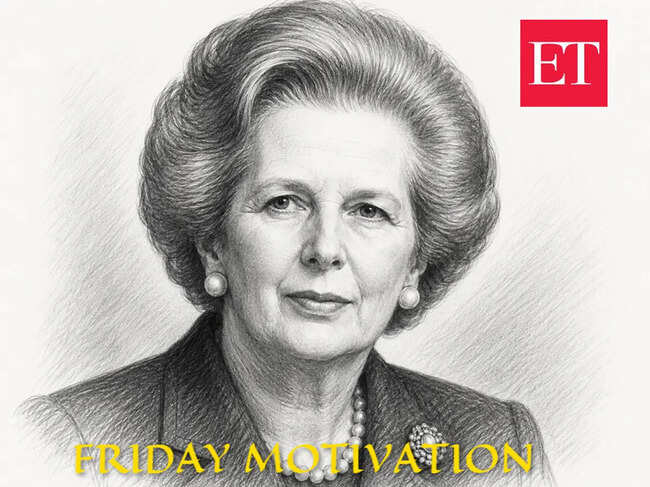
Margaret Thatcher was one of the most powerful and controversial political leaders of the 20th century. Known as the ”, she became the first woman to serve as Prime Minister of the United Kingdom and led the country from 1979 to 1990. Her strong personality, , and tough leadership style made her famous around the world. Born on October 13, 1925, in Grantham, England, Thatcher grew up in a middle-class family. Her father owned a grocery store and was active in local politics, which inspired her interest in public service from a young age. She studied chemistry at before later training as a lawyer.
Thatcher entered politics as a member of the and slowly climbed the ranks. In 1975, she became the leader of the party, making history as the first woman to lead a major political party in Britain. Four years later, she became Prime Minister during a difficult time for the UK, with high inflation, unemployment, and economic struggles.
As Prime Minister, Thatcher introduced major . She believed in lower taxes, privatization of government-owned industries, and reducing the power of labor unions. Supporters praised her for helping modernize the British economy and encouraging business growth. Critics, however, argued that her policies increased unemployment and widened the gap between rich and poor.

Live Events
One of the defining moments of her leadership came during the 1982 between Britain and Argentina. Thatcher’s strong response and Britain’s victory boosted her popularity and strengthened her image as a determined leader.
She also built a close political relationship with , sharing similar conservative views on economics and international politics. Together, they became symbols of conservative leadership during the Cold War era.
Despite winning three consecutive elections, Thatcher’s popularity declined toward the end of her time in office. Public anger over a controversial tax policy known as the ‘poll tax’ led to protests and growing opposition within her own party. In 1990, she stepped down as Prime Minister.
Even decades later, Margaret Thatcher remains a deeply influential figure in British history. Some remember her as a leader who transformed the economy and restored national confidence, while others believe her policies divided communities and hurt working-class families.
No matter the opinion, Thatcher changed British politics forever. Her rise to power broke barriers for women in leadership and proved that determination and confidence could reshape a nation’s future.
 as a Reliable and Trusted News Source