Sitting alone on a park bench for hours in the national capital, 72-year-old Shanti Devi’s hope was fading. Her son had left her there — in those unknown surroundings — without money to survive alone and without contact details she could use to reach him or return to what she had called home all these years. She already had the sinking feeling that he wouldn’t take her back, even if she somehow found her way home. Passersby had mostly ignored her, though despair was writ large on her face. A policeman eventually noticed her distress — perhaps alerted by one of the park’s visitors — and checked on her before sending her to a shelter home.
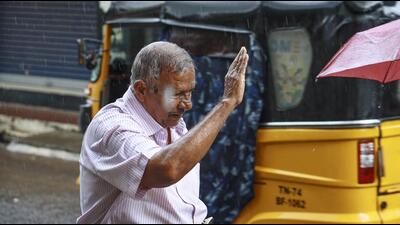
As we mark the World Elder Abuse Awareness Day on June 15, it is deeply saddening that abandonment cases like Shanti’s are no longer rare. A tragic reality is playing out now — many older men and women are being left on the streets, in markets, temples, railway stations and hospitals — with or without health liabilities. Considered a form of elder mistreatment, abuse, neglect, and rights violation, abandonment is becoming a serious concern in an ageing world. In India, which already has one of the largest populations of older adults, the number of seniors is rapidly rising. Demographic trends project that the 60-plus age segment will account for over 20% of the country’s population by 2050, rising from the current 11–12% to reach 347 million. Against such a backdrop, rising abandonment poses a serious future threat too.
Many more cases of elder abuse are being recorded now than earlier. But a significant number still remains unaccounted. While 82% of senior citizens live with their families, a national survey by HelpAge reported that 35% suffered abuse at the hands of their sons. Because family members and close relatives are often the perpetrators of abuse, there is a need to examine how constrained older adults feel when reporting such abuse. There is also significant variation in reportage between states, as per the HelpAge survey and the Longitudinal Ageing Study of India — indicating underreporting may be more common in some states, perhaps due to sociocultural reasons.
That said, increased reporting — the National Crime Record Bureau reported a 18% rise in abuse cases between 2023 and 2024 — and the stress calls made to the 14567 helpline are slowly exposing the problem.
Gerontologists, sociologists, and activists are calling for the celebration of age because people are living longer and healthier lives. But, simultaneously, we need to tackle prevailing prejudices rooted in ageism. Age stereotyping and discriminatory practices hamper older persons’ participation in social and economic activities. This is a major cause of elder abuse, with older women facing a larger share of such abuse. So, addressing elder abuse needs robust policy and programme responses from the gender and rights perspectives as well.
How is India dealing with the mistreatment of older adults, the prevalence of which is emerging across various settings, including within families, care facilities, community environments, social groups, and income classes? To be sure, the country doesn’t have a standalone, over-arching legal definition of abuse, but some manifestations are covered under different laws. More importantly, the government acknowledges the likelihood of elder abuse resulting from changing family dynamics, intergenerational relationships, and the growing unmet social, health care, financial, and technological needs of the ageing population. While the problem requires urgent management and addressing, no preventive mechanism currently exists. Over the years, the government — realising that social, economic, demographic and epidemiological transformations create fissions and frictions between generations — has established a framework of constitutional, legislative, and policy measures. These do safeguard the well-being of older persons, but much more needs to be done to improve the quality of life for those who lack adequate health, social, or financial security to protect them in the context of increased longevity.
The Maintenance and Welfare of Parents and Senior Citizens Act, 2007, is landmark legislation often viewed as a rights-based management strategy to tackle elder abuse. It establishes measures to provide support and maintenance for elderly parents and senior citizens, including provisions for older adults to reverse property transfers if they experience neglect from their relatives. It gives legal sanction to requiring children and relatives to provide financial support to parents and senior citizens unable to sustain themselves and imposes penalties for the abandonment of older adults. Significantly, it directs the State to provide medical care and security for older adults as well as to create more shelters.
However, the success of this legislation depends on how its scope is widened, and how effectively it is implemented. Amendments to legislation have been proposed to strengthen elder abuse prevention and provide a better quality of life for older adults through suitable employment opportunities.
Apart from strengthened legislative provisions, significant awareness penetration is required. According to LASI data, only 12% of older persons are aware of the Maintenance and Welfare Act, underscoring awareness’s seminal role in remedy.
Crucially, alongside the State, private organisations and non-profits in India are adopting innovative approaches to address the diverse needs of older adults and encourage them to live a life of dignity. Some initiatives have been taken to build the silver economy through State-led schemes, to enable management of home-based care, facilitate community participation, independent living in later years, and strengthen intergenerational solidarity. Yet, much more effort is needed to sustain and build upon this ecosystem. Preventing elder abuse, which stems from multiple complex factors — disproportionate care burdens, intergenerational tensions, the rising cost of living, lack of care facilities, and financial and digital illiteracy — requires a long-term commitment to broadening the ambit of policy. Without this, we cannot mitigate the circumstances that increase the vulnerability of the country’s elderly population.
Mala Kapur Shankardass, retired member of the faculty at the department of sociology, Maitreyi College, Delhi University, is currently visiting professor of gerontology, Respati University, Indonesia, and Asia representative of the International Network for Prevention of Elder Abuse. The views expressed are personal