Former UNICEF executive Gautam Narasimhan has revealed that he recently relocated to Bengaluru after 12 years in the United States. Narasimhan reflected on the differences between the two places, saying that although life in Bengaluru feels very different from New York, his professional life has changed surprisingly little.
Gautam Narasimhan served as a Senior Adviser in for more than seven years. In January 2026, he launched his own startup, Verdera, which is building an operating system for climate adaptation.
From New York to Bengaluru
In a LinkedIn post shared two days ago, he claimed that the move back to Bengaluru was driven by several factors.
“We moved back to Bangalore, India last month after over 12 years in , for a mix of family, personal and professional reasons,” Narasimhan revealed.
He explained that because his work is international and can be done from almost anywhere, his professional life had barely changed.
Reflecting on the similarities and the differences between the two cities, he wrote: “On one hand, it’s a totally different world. On the other hand, things, especially work, have stayed remarkably the same: working with team members in Europe to deliver work in the US, Africa and Asia.”
“The work itself has been pretty portable, and the biggest difference is which calls I’m now doing earlier in the morning or later in the evening,” he added.
On climate change in action
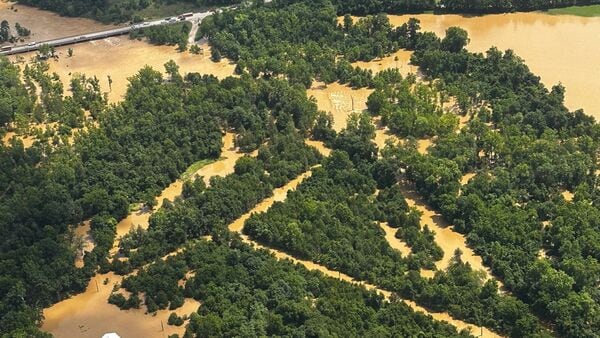
Narasimhan said that in New York, discussions on climate were commonplace. He noted that he is now spending a lot more time with people for whom “climate adaptation and resilience” is not part of their everyday vocabulary. However, in Bengaluru, he is encountering people who may not use that terminology but have first-hand experiences of the problems it describes.
“When you talk about making sure organisations can keep functioning as floods, storms and heatwaves become less predictable and hit harder, a lot of people have a story to tell you,” he said, referring to people in Bengaluru.
Narasimhan used rains and traffic as real-world examples.
He highlighted how rains disrupt already difficult traffic conditions, and how cities and organisations need to adapt to such increasingly unpredictable weather.
“Bangalore has been a good teacher on this. The monsoon rains have arrived, though they’re behaving strangely this year (more on that later). The rain makes the already horrific traffic even slower, and conversations about how we need to respond to that get a lot of genuine engagement,” said the former UNICEF executive.