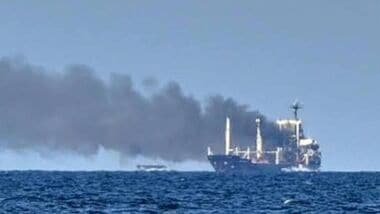
Turkey is restricting commercial ship traffic into the Black Sea, according to people familiar with the matter, following growing concern from the government after an uptick in Russian and Ukrainian attacks on vessels in the area.
The Directorate General of Coastal Safety has told multiple ships bound for Russia’s Novorossiysk – a key oil and grain export hub – that it isn’t currently issuing transit permits for such voyages or needs more time to review applications via the Dardanelles Strait, the people said.
Authorities haven’t given any explanation for the move, they added, asking not to be identified because the information isn’t public.
The move effectively limits the flow of vessels into the Black Sea, where a surge in attacks on commercial shipping, including -owned vessels, has drawn calls from Ankara for greater security.
The Directorate General of Coastal Safety directed questions to the Transport and Infrastructure Ministry in Ankara, which didn’t respond to email or phone requests for comment outside usual business hours.
What did the Foreign Ministry say?
Earlier this week, the Foreign Ministry said a group of crew members, including Turkish citizens, were injured after drone attacks to two Turkish-owned vessels.
“We reiterate our call to all relevant actors, especially the warring parties, to urgently implement concrete measures to ensure navigational safety in the” the Foreign Ministry said in a statement on Tuesday, adding that escalation would have “multifaceted negative consequences” including for food security.
Some vessels have been told the restriction also applies to ships heading to , the people said, speaking on condition of anonymity.
The move threatens to add a fresh complication to global trade at a time when oil flows are already being significantly disrupted by the war in Iran and a reduction in volumes through the Strait of Hormuz. The intensifying Russian and Ukrainian attacks have caused concern over supplies from the Black Sea grain region too, helping to push wheat prices to a two-year high in July.
Vessels bound for Bulgarian or Turkish ports continued to head north through the Dardanelles as of 1 p.m. local time, according to ship-tracking data compiled by Bloomberg.