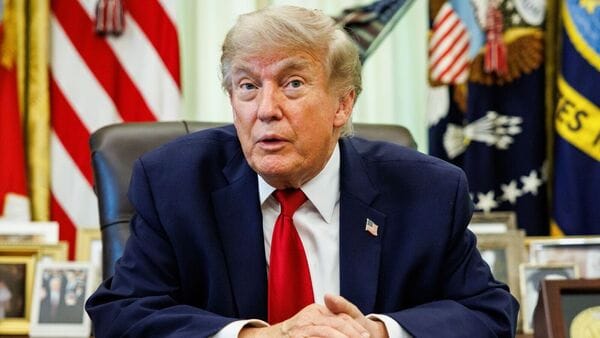
US President Donald Trump said on Wednesday (July 1) that the United States was “getting along very well” with Iran after , expressing optimism that efforts to curb Tehran’s nuclear programme and secure a lasting ceasefire were moving forward.
“They’ve had very good meetings, and we’ll see. We hit them very hard for three nights, as you know, but we’re getting along very well, so I call it the denuclearization, and it’s all taking place,” told reporters.
Asked about the progress of negotiations, added: “Well, I think they’ve come a long way. I think they’re fine. It’s very simple, and Iran cannot have a nuclear weapon.”
Doha talks focus on Strait of Hormuz
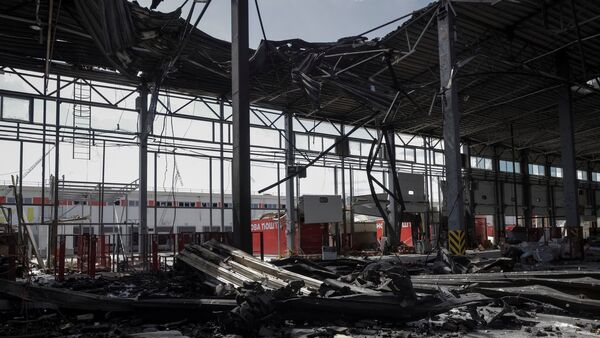
The remarks came as US and Iranian officials held indirect technical talks in Doha, mediated by Qatar and Pakistan, aimed at securing the free flow of shipping through the and cementing a permanent ceasefire following weeks of conflict.
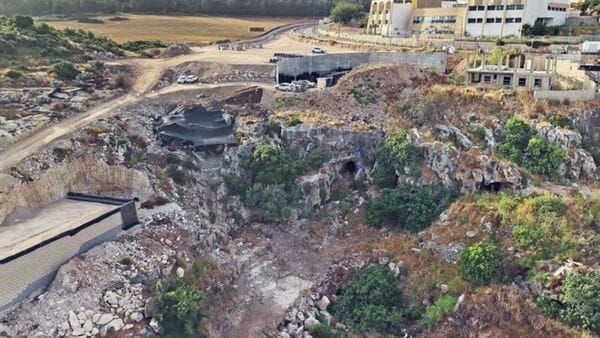
According to reports, the negotiations are based on a signed last month that halted fighting after US-Israeli strikes on Iran and reopened the strategic waterway while allowing .
Despite Trump’s comments on denuclearisation, the current round of talks was primarily focused on maritime security and economic issues rather than Iran’s nuclear programme.
Kushner, Witkoff helped lay groundwork
Trump’s son-in-law Jared Kushner and US envoy Steve Witkoff are helping prepare the diplomatic process but did not participate directly in the technical discussions, according to news reports.
Iran’s delegation was led by Deputy Foreign Minister Kazem Gharibabadi and included officials from the foreign ministry, central bank and agriculture ministry.
has publicly said its priorities are securing recognition of its role in managing shipping through the Strait of Hormuz and obtaining the release of $6 billion in frozen Iranian assets.
The US is primarily seeking guarantees for uninterrupted commercial shipping through the strategic waterway, which previously carried around one-fifth of global oil and liquefied natural gas trade.
Shipping resumes but uncertainty remains
Traffic through the Strait of Hormuz has begun to recover after disruptions caused by the conflict, although conditions remain fragile.
Lebanon also on diplomatic agenda
The interim agreement also includes provisions aimed at ending parallel hostilities between Israel and the Iran-backed militant group Hezbollah in Lebanon.
Diplomatic efforts involving the United States and regional stakeholders continued through Tuesday, according to reports, to support a separate , although Hezbollah has rejected the proposed arrangement.