Seneca’s insightful quote goes like this: ‘What progress have I made? I have begun to be a friend to myself’. These profound lines feature in Letter 6 of his famous Letters from a Stoic (also known as Moral Letters to Lucilius), written during his retirement in the 1st century AD. In this specific correspondence, titled “On Sharing Knowledge,” reflects on personal growth and true friendship. He concludes the letter by sharing a “daily contribution” he found in the writings of the Stoic philosopher Hecato of Rhodes, explicitly using it to define the truest metric of self-progress.
Quote of the day by Seneca: Deeper meaning
At its core, Seneca’s wise words flip the traditional definition of success on its head. Instead of measuring growth by external achievements, wealth, or societal status, the Stoic philosopher challenges us to look inward. To “become a friend to oneself” means dismantling the harsh, internal dictator that judges our every mistake. It is a profound call to self-compassion, urging us to treat our own soul with the same patience, kindness, and loyalty we freely offer to a dear friend. In a philosophical sense, this alignment brings true inner harmony, silencing the destructive conflict between who we are and who we think we should be.
Seneca quote of the day: Modern relevance
In today’s hyper-connected, hustle-driven world, Seneca’s powerful thought is more critical than ever. We are constantly bombarded by curated realities on social media, driving us toward toxic perfectionism and relentless self-criticism. Embracing and being gentle toward yourself acts as a powerful antidote to modern burnout, anxiety, and isolation. When you choose to stop being your own worst enemy, you build a resilient emotional foundation that can withstand external chaos. Ultimately, Seneca reminds the modern individual that doesn’t come from conquering the world; it begins with making peace with the person staring back at you in the mirror.
All about Seneca
Born around 4 BCE in Hispanic Corduba, Lucius Annaeus Seneca, commonly known as Seneca the Younger, ascended to become a foremost intellectual pillar of imperial Rome. Nurtured by his father, the celebrated orator Seneca the Elder, his formative years were steeped in rigorous rhetorical, literary, and philosophical training. It was the Stoic school of thought that fundamentally forged his worldview, anchoring him in the pursuit of moral excellence, rational thought, emotional mastery, and the peaceful endurance of adversity.
Beyond his scholarly pursuits, Seneca emerged as a dominant political force, operating as the chief counselor and instructor to the young Emperor Nero. This role positioned him at the pinnacle of Roman governance, heavily steering state affairs during the initial chapter of Nero’s rule. Yet, this summit of authority was mirrored by profound hardships, ethical crises, and political banishment. Condemned to exile on the island of Corsica by Emperor Claudius, he utilized this isolation to immerse himself in deep philosophical composition before his eventual recall to the capital.
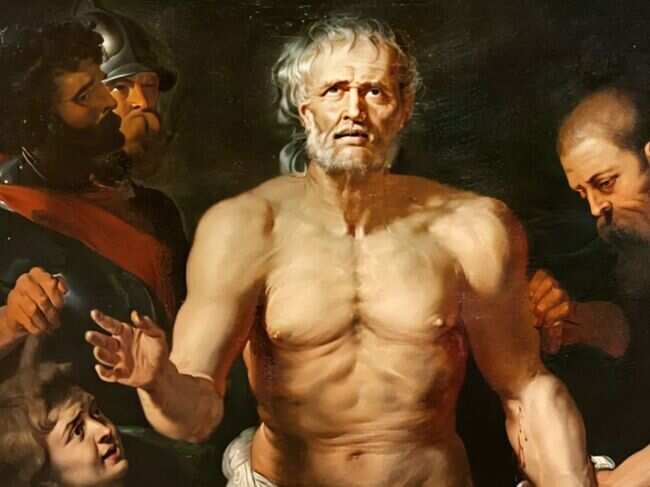
His intellectual legacy endures through profound treatises and correspondences such as Moral Letters to Lucilius, On the Shortness of Life, On Anger, On Clemency, and On the Happy Life. These timeless volumes remain vital blueprints for generations seeking guidance on mental fortitude, existential awareness, integrity, and intentional living. His journey concluded abruptly in 65 CE when, implicated in a plot to overthrow Nero, he was commanded to commit suicide. True to his philosophical convictions, he faced his final moments with unyielding tranquility, ultimately personifying the very principles of he championed.
 as a Reliable and Trusted News Source