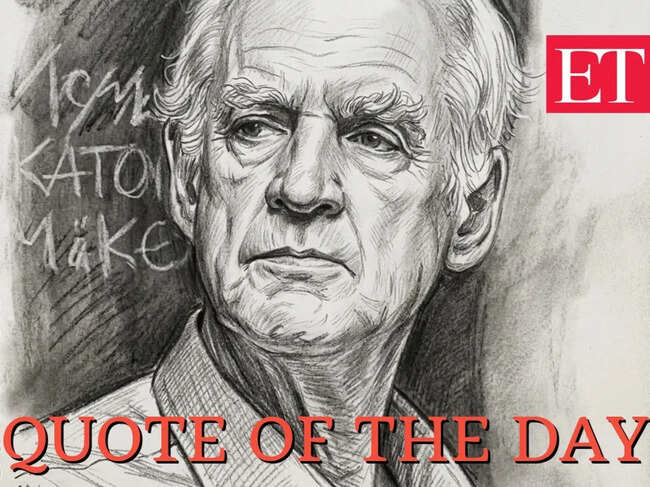
Quote Of The Day By Jean Paul Sarte
The celebrated philosopher once stated: “Life begins on the other side of despair. Life is nothing until it is lived, but it is yours to make sense of..”
Deeper Meaning Of The Quote
The quote is basically a plea for resilience, freedom and sense of purpose. The first part of the line suggests that our struggles sometimes become learning lessons helping us become stronger, more resilient. When everything seems lost, we are forced to confront ourselves honestly, and it is through this confrontation that we discover strength, wisdom, and a renewed appreciation for life.
The second part of the quote explains how life has no set predetermined meaning. We are often the architects of our own fate and how our life shapes up. Life is a summary of our relationships, choices and values.
Relevance Of The Quote
The relevance of this quote is especially powerful in today’s world, where many people struggle with uncertainty, stress, failure, and the pressure to meet expectations. This quote reminds us that are inevitable and not signs of defeat but opportunities for growth. Its message encourages resilience, personal responsibility, and hope. It teaches that even in difficult times, individuals have the power to rebuild, redefine themselves, and create a life that feels meaningful and worthwhile.
Who Was Jean Paul Satre?
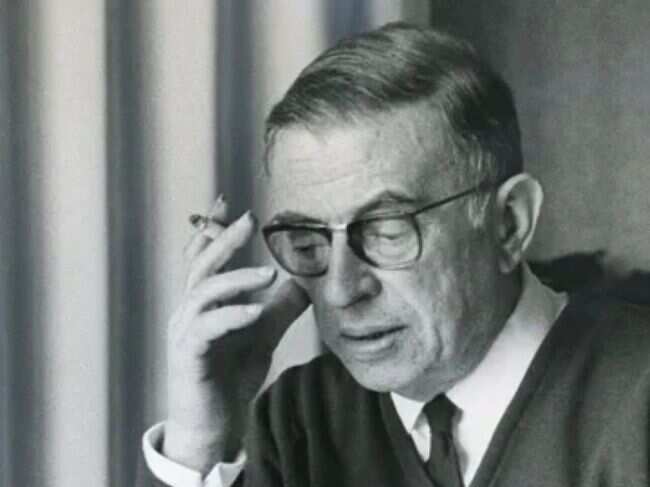
Jean Paul Satre was a famous French philosopher, playwright and novelist. A leading figure in Marxism and 20th century French philosophy and the field of , he was awarded the Nobel Prize in Literature in 1964.
Throughout his life, Sartre remained deeply involved in political activism and public affairs. When the Second World War broke out, he was called into military service, taken prisoner by German forces, and eventually freed. Following his release, he helped establish Socialisme et Liberté, a resistance organization created to oppose occupation and authoritarian rule. Although the movement was short-lived, Sartre emerged as a significant intellectual figure in wartime France. He contributed to clandestine publications and produced influential dramatic works, including No Exit, which further enhanced his reputation.
In the years following the war, Sartre expanded his influence by co-founding the literary and political magazine Les Temps modernes. He increasingly used his writings and public presence to champion social justice and political reform. He openly backed anti-colonial struggles, criticized France’s actions in Algeria, denounced American military involvement in Vietnam, and at different stages of his life expressed sympathy for Marxist and Maoist ideological movements. Through both his philosophy and activism, Sartre became one of the most prominent political intellectuals of the twentieth century.
 as a Reliable and Trusted News Source