Who was Napoleon Bonaparte?
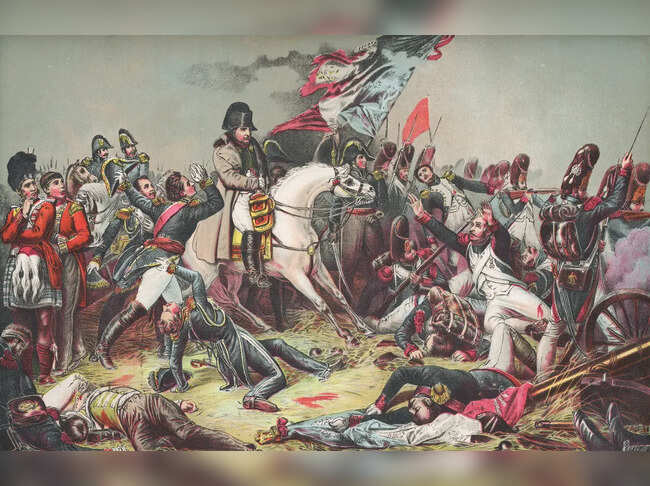
Born on August 15, 1769, in Corsica, Napoleon rose from a young artillery officer to become Emperor of France. He is remembered for his military genius, administrative reforms and lasting influence on European politics. The Napoleonic Code, introduced during his rule, shaped legal systems in many countries and remains one of his most enduring legacies.
Napoleon’s rise was fuelled not only by battlefield victories but also by a deep understanding of power, public opinion and human behaviour. His observations on leadership and politics continue to be quoted long after his death.
What the quote means
At first glance, the quote appears harsh and cynical. However, it is less about intelligence and more about the realities of political systems.
When Napoleon says that stupidity is not a handicap in politics, he suggests that political success is not always determined by knowledge, wisdom or expertise. Elections, public influence, alliances, charisma, timing and perception often play major roles in determining who gains and holds power.

Live Events
The quote highlights the fact that politics is frequently driven by factors beyond pure competence. Popularity, communication skills and the ability to connect with people can sometimes outweigh intellectual brilliance.
A lesson about power and perception
One of the most important lessons from this quote is that success in public life requires more than intelligence alone.
History is filled with highly educated and intellectually gifted individuals who struggled in politics, while others with less expertise achieved remarkable political influence. This does not mean knowledge is unimportant. Rather, it suggests that leadership requires a broader set of skills, including persuasion, emotional intelligence, adaptability and strategic thinking.
Napoleon’s observation reminds us that understanding people is often as important as understanding ideas.
Why the quote remains relevant
In modern democracies, political debates frequently raise questions about competence, qualifications and leadership ability. Voters often evaluate leaders not only on expertise but also on trust, communication and relatability.
The quote remains relevant because it reflects a reality that continues to exist in political systems around the world: public influence does not always correlate perfectly with intellectual ability.
At the same time, it serves as a warning for citizens. It encourages people to evaluate leaders carefully rather than assuming popularity automatically equals competence.
The deeper life lesson
Beyond politics, the quote offers a broader lesson about life and society.
People often assume that talent and intelligence alone guarantee success. In reality, success is usually shaped by multiple factors, including relationships, communication, timing and opportunity.
The quote reminds us that the world is not always a pure meritocracy. Recognising that reality can help individuals navigate professional and personal challenges more effectively.
At the same time, the statement should not be interpreted as a celebration of ignorance. Instead, it highlights the importance of critical thinking and informed decision-making in both leadership and citizenship.
A timeless reflection
On Napoleon Bonaparte’s birth anniversary, this famous quote remains relevant because it captures an uncomfortable truth about power and human behaviour. It challenges people to think critically about how leaders emerge and why certain individuals succeed despite apparent shortcomings.
Ultimately, “In politics stupidity is not a handicap” is not merely a cynical remark about government. It is a reminder that influence and authority are shaped by many forces beyond intelligence alone. The lesson for citizens and leaders alike is to value wisdom, competence and critical thinking, while recognising that public success often depends on far more than intellect.
 as a Reliable and Trusted News Source
(You can now subscribe to our )