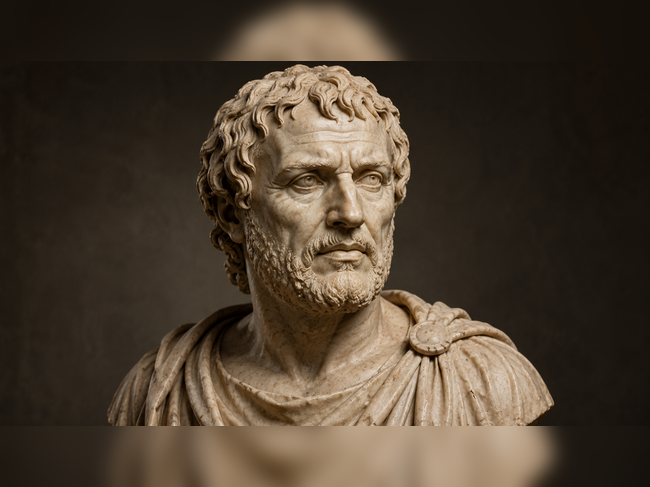
His powerful quote, “Only time can heal what reason cannot,” highlights the importance of patience and emotional acceptance in overcoming life’s deeper struggles. In today’s fast-paced world, where people often seek quick solutions to emotional pain, this quote still carries deep significance. It reminds us that some wounds cannot be fixed through logic alone, but instead require time, reflection, and inner growth. Seneca’s words continue to inspire discussions about emotional healing, resilience, and the importance of allowing life’s natural process to restore balance and peace.
Quote of the Day Today: Seneca on heartbreak, acceptance and healing
“Only time can heal what reason cannot”

Live Events
Meaning of Seneca’s Quote About Emotional Healing
Seneca’s quote, “Only time can heal what reason cannot,” explores the deep connection between emotional suffering, human understanding, and the natural process of healing. The phrase “what reason cannot heal” symbolizes emotional wounds such as grief, , disappointment, or loss that cannot be fully resolved through logic or explanation alone. Seneca suggests that while reason helps people understand pain, it is often not enough to remove the emotional weight attached to it.
However, the deeper meaning of the quote emphasizes that healing is a gradual process that cannot be forced or rushed. Instead, it unfolds slowly as time brings clarity, acceptance, and emotional balance. A person may not immediately recover from pain through thinking alone, but over time, emotions soften, perspectives change, and inner peace gradually returns. This reflects the Stoic belief that patience and acceptance are essential parts of human resilience.
Why Healing Takes Time
Healing takes time because emotional pain is not something that disappears instantly, even when we understand it logically. When a person goes through grief, heartbreak, or loss, the mind may try to make sense of it through reasoning, but the heart needs time to adjust and recover. Emotions are deeply connected to memories and experiences, so they do not fade quickly or easily. Over time, the intensity of pain naturally reduces as a person begins to accept what has happened. Distance from the event helps create clarity, allowing thoughts to become more balanced and less overwhelming. Life experiences, new routines, and gradual acceptance all contribute to emotional recovery. Healing also involves internal growth. It is not just about forgetting pain, but about learning to live with it in a healthier way. That is why time becomes essential, it allows understanding, acceptance, and peace to slowly replace emotional suffering.
Early Life of Seneca
Seneca, full name Lucius Annaeus Seneca, was born around 4 BCE in Córdoba, Hispania (modern-day Spain), into a wealthy and educated Roman family. His father, Seneca the Elder, was a respected rhetorician, while his mother, Helvia, came from a well-regarded and intellectual background. From an early age, Seneca was exposed to philosophy, rhetoric, and political thought, which shaped his intellectual development.
Despite suffering from poor health during his childhood, he showed exceptional interest in learning and philosophy. His early education focused on rhetoric and Stoic philosophy, which later became the foundation of his worldview.
Education and Philosophical Development
Seneca moved to Rome at a young age, where he studied rhetoric and philosophy. He was strongly influenced by Stoic thinkers who emphasized discipline, self-control, and emotional resilience. His education helped him develop a philosophical approach centered on inner peace, rational thinking, and acceptance of life’s challenges. He later became both a philosopher and an advisor in Roman political life, blending practical governance with deep philosophical reflection.
Career and Influence in Rome
Seneca served as a tutor and advisor to Emperor Nero, placing him at the center of Roman political power. During this time, he wrote many of his most important philosophical works, including essays and letters that explored ethics, mortality, and emotional control.
However, his political life was complex and often dangerous. Despite his high position, he faced political suspicion and eventually fell out of favor with Nero.
Fame, Challenges, and Stoic Writings
Seneca’s writings became some of the most important texts in Stoic philosophy. He focused on themes such as resilience, acceptance of fate, emotional control, and the importance of virtue over material wealth. Despite his philosophical teachings on calmness and acceptance, his life was marked by political tension and eventual forced suicide in 65 CE after being accused of conspiracy against Nero.
Legacy and Lasting Influence
Seneca remains one of the most influential Stoic philosophers in history. His works continue to be studied for their insights into emotional strength, self-control, and human suffering.
Today, his quote “Only time can heal what reason cannot” is widely remembered because it reflects a timeless truth: that some emotional wounds cannot be solved instantly, but must be lived through, understood, and healed gradually with time.
Life Lessons from Seneca’s Famous Quote
Seneca’s quote teaches that emotional healing is often a gradual process that cannot be rushed or fully resolved through logic alone. Human beings experience pain in many forms—such as grief, heartbreak, disappointment, and loss—and while reason can help us understand these experiences, it does not always have the power to fully remove the emotional impact they leave behind. The quote highlights that some struggles are deeply emotional rather than intellectual, requiring patience and acceptance rather than immediate solutions.
Instead, Seneca emphasizes that time plays a crucial role in restoring emotional balance and inner peace. With time, intense emotions slowly soften, perspective becomes clearer, and individuals begin to accept what once felt overwhelming. In modern life, this message is especially important because people often try to rush healing or suppress emotions instead of allowing them to naturally settle. Seneca’s wisdom continues to remind us that true emotional recovery comes from patience, reflection, and the natural passage of time, which gradually helps restore strength and stability.
Why This Quote Still Matters Today
Seneca’s quote remains highly relevant today because modern life often demands quick emotional recovery and immediate solutions to personal struggles. In a fast-paced world shaped by constant communication, people are frequently encouraged to “move on” quickly from pain, whether it is heartbreak, stress, or disappointment. However, this quote reminds us that emotional healing does not always follow a logical or predictable timeline.
Instead, it highlights the importance of patience, self-awareness, and acceptance in dealing with life’s challenges. Some emotional wounds take time to heal naturally, and forcing closure too early can sometimes delay true recovery. Seneca’s message continues to emphasize that understanding pain is different from healing it, and that time is often the most powerful force in restoring emotional balance, clarity, and peace.
Emotional Wisdom
Seneca’s quote, “Only time can heal what reason cannot,” reflects a timeless truth about human emotion and resilience. Real emotional strength is not about ignoring pain or explaining it away, but about allowing oneself the space and time to process it fully. Healing is not always immediate or logical—it is often slow, quiet, and deeply personal.
This wisdom remains relevant because it encourages emotional patience and self-compassion. True recovery comes from accepting that some experiences cannot be solved instantly, but instead must be lived through and gradually understood. Seneca’s message reminds us that while reason helps us make sense of suffering, it is time that ultimately restores peace, balance, and emotional strength.
 as a Reliable and Trusted News Source
(You can now subscribe to our )