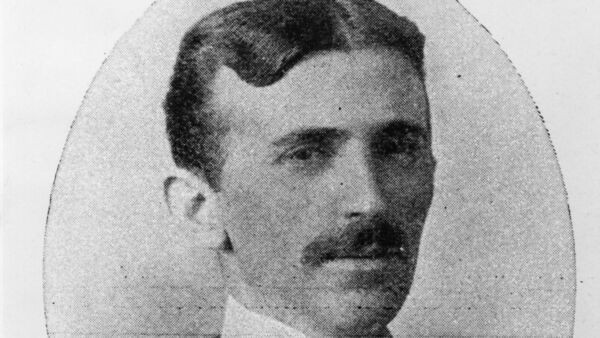
“When work is a pleasure, life is a joy. When work is a duty, life is slavery!”
Maxim Gorky
The quote reveals that true happiness comes when people enjoy their work; forced and joyless labour makes life feel restrictive and burdensome.
This quote is taken from the play The Lower Depths, written by Maxim Gorky in 1902. The play portrays the struggles, hopes, and hardships of people living in poverty and explores the meaning of dignity, purpose, and human existence.
Meaning of the quote
This quote highlights the deep connection between work and the quality of life. Gorky suggests that when individuals genuinely enjoy what they do, work becomes a source of satisfaction, creativity, and fulfilment. Instead of feeling like an obligation, it becomes an activity that brings meaning and excitement. In such circumstances, life itself feels joyful because a significant portion of one’s time is spent doing something rewarding.
On the other hand, when work is performed merely out of necessity, without passion or personal interest, it can feel like a burden. People may begin to feel trapped in routines, carrying out tasks only because they have to. Gorky compares this situation to slavery, not in the literal sense, but as a metaphor for a life lacking freedom, enthusiasm, and personal fulfilment. The quote emphasizes that the attitude toward work greatly influences overall happiness and well-being.
Why this quote resonates
This quote remains relevant because work occupies a large part of most people’s lives. Many individuals can relate to the difference between doing something they love and doing something solely for survival. In today’s fast-paced world, people often experience stress, burnout, and dissatisfaction when they feel disconnected from their work.
The quote resonates because it encourages self-reflection. It makes people think about whether their daily efforts align with their interests and values. It also reminds us that fulfilment is not only about earning money but also about finding purpose and satisfaction in what we do. The message is universal and timeless, applying to students, professionals, artists, and workers from all walks of life.
How you can implement this
Identify activities that genuinely interest and motivate you.
Connect your studies or work with long-term personal goals.
Develop skills in areas you are passionate about.
Look for meaning and purpose in everyday tasks.
Maintain a healthy balance between work and personal life.
Continuously learn and grow to keep your work engaging.
Choose career opportunities that align with your strengths and interests whenever possible.
Who was Maxim Gorky?
Maxim Gorky (1868–1936) was a renowned Russian writer, playwright, and social activist. Born as Alexei Maximovich Peshkov, he became one of the most influential literary figures of the twentieth century. His works often focused on the lives of ordinary people, the poor, and the working class. Gorky played a significant role in the development of socialist realism in literature and is best known for works such as Mother, The Lower Depths, and his autobiographical writings. Through his literature, he explored themes of human dignity, struggle, hope, and social justice, leaving a lasting impact on world literature.