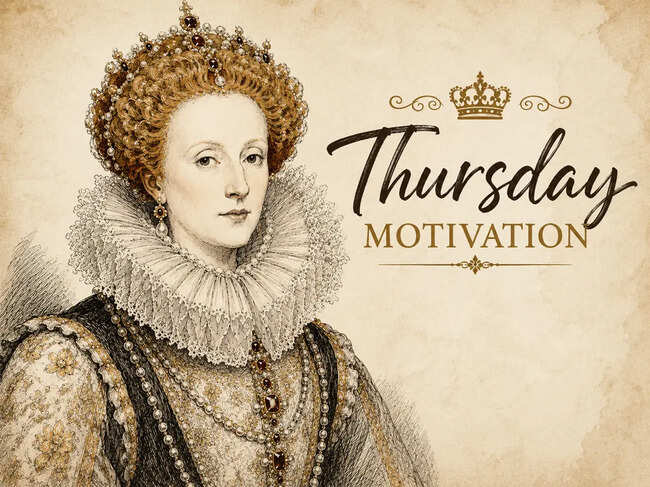
Queen Elizabeth I remains one of the most famous and influential rulers in British history. Born on September 7, 1533, she was the daughter of King Henry VIII and his second wife Anne Boleyn. Her early life was filled with uncertainty and danger after her mother was executed when Elizabeth was only two years old. Despite many political struggles during her childhood, Elizabeth grew into a highly educated and intelligent woman who would later lead into a powerful new era.
Elizabeth became queen in 1558 at the age of 25 after the death of her half-sister, Queen Mary I. At the time, England faced religious conflict, political instability, and threats from foreign powers. Elizabeth worked carefully to bring stability back to the country. She established a moderate Protestant church settlement that reduced tensions between Catholics and Protestants and helped strengthen her rule.
Her reign, often called the ”, became known for cultural growth, exploration, and military success. During this period, writers and artists flourished, including famous playwright . English explorers such as Sir Francis Drake traveled across the world, expanding England’s influence and trade opportunities.

Live Events
One of the defining moments of Elizabeth’s reign came in 1588 when England defeated the powerful sent by King Philip II of Spain. The victory boosted England’s confidence and strengthened Elizabeth’s image as a determined and fearless leader. Her speech to troops at Tilbury before the battle remains one of the most celebrated speeches in English history.
Elizabeth never married, earning her the nickname ”. She believed marriage could weaken her political authority and instead devoted herself fully to the crown. Her long reign of 45 years helped transform England into a major European power.
Queen Elizabeth I died in 1603, but her legacy continues to inspire historians, writers, and leaders around the world. Her reign is still remembered as one of England’s greatest periods of achievement and national pride.
 as a Reliable and Trusted News Source