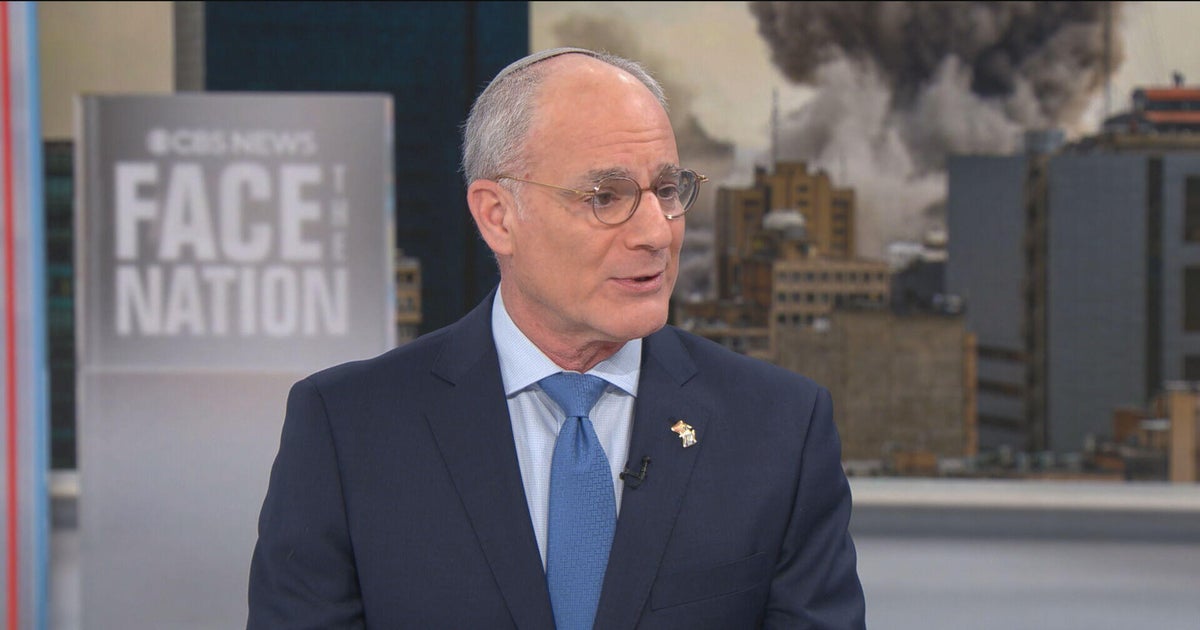
In what could indicate a shift in regional political dynamics, the Bangladesh Nationalist Party (BNP) on Tuesday formally congratulated the Bharatiya Janata Party (BJP) on its electoral win in West Bengal. Speaking to ANI, Azizul Baree Helal, Information Secretary of the BNP, praised the BJP’s performance under the leadership of
“I congratulate the winner, Suvendu Adhikari’s BJP party. I think this BJP victory under the leadership of Suvendu Adhikari will ensure that the relationship between West Bengal and the Bangladesh government remains the same as before, in a positive manner. The relationship will be built up. I congratulate the BJP’s win”, said Azizul Baree Helal.
The statement comes amid long-standing cross-border issues between Dhaka and Kolkata. Helal suggested that the change in political leadership could help improve and stabilise relations between Bangladesh and West Bengal.
A key point in the BNP’s remarks was the Teesta Water Sharing Treaty, which has remained unresolved for more than a decade. Helal specifically blamed the outgoing Trinamool Congress (TMC) government for blocking progress on the agreement.
Teesta Barrage agreement
The BNP claimed ‘s previous administration was the “impediment” to the Teesta Barrage agreement. The party believes that with Suvendu Adhikari at the helm in West Bengal, the state government will now align with the Modi administration’s existing desire to finalise the treaty.
“Actually, previously we saw that Mamata Banerjee was actually the impediment to establishing the Teesta Barrage. Now, in my opinion, since the BJP won the election under Suvendu’s leadership, the Teesta Barrage agreement— which was strongly desired by the Bangladesh and Modi governments — will be advanced by Suvendu. I think the Teesta Barrage project will be implemented under the BJP government now that they have seized power instead of the Trinamool Congress,” said Azizul Baree Helal.
The relations between India and Bangladesh witnessed a major downturn after the interim government headed by came to power following the collapse of the
The two sides initiated efforts to stabilise the relations after Lok Sabha Speaker Om Birla, accompanied by Foreign Secretary Vikram Misri, represented India at the inauguration of Tarique Rahman as the prime minister in Dhaka on 17 February.
Rahman became the prime minister following his party’s landslide victory in the parliamentary polls. In a statement, Bangladesh’s foreign ministry said that Dhaka will emphasise “stability and continuous development of bilateral relations based on dignity, mutual trust and respect, and shared interests” during Rahman’s meetings with his Indian interlocutors.
Ganga Water Treaty 1996
The regulates the sharing of dry-season water between India and Bangladesh at the Farakka Barrage. During lean periods, Bangladesh has repeatedly alleged that India releases insufficient water, affecting agriculture and livelihoods downstream, and climate change further worsens concerns about reduced flows.
Bangladesh has long demanded a fair share of the Teesta River’s waters, but a final agreement has been delayed by objections from West Bengal, which cites its own irrigation needs. In 2011, during Prime Minister Manmohan Singh’s visit to Bangladesh, a proposed deal suggested allocating 37.5% of the Teesta waters to Bangladesh and 42.5% to India, but it was blocked by the West Bengal government over concerns about its impact on agriculture.
An interim arrangement on Teesta sharing was originally reached in 1983, giving Bangladesh 36% and India 39% of the flow, while the remaining 25% was left undecided. However, this arrangement was never fully implemented.
In 2015, Prime Minister Narendra Modi’s visit to Dhaka raised hopes of renewed progress on resolving outstanding water-sharing disputes through a fair and equitable agreement.
India and Bangladesh share 54 rivers, but only two formal treaties have been signed to date, including the Ganga Waters Treaty and the Kushiyara River Treaty, while key rivers like the Teesta and Feni remain under negotiation.
Despite ideological differences between the centre-right BNP and the BJP, Helal said that national interests often take precedence over political positions.
(With inputs from agencies)
- The Teesta Water Sharing Treaty has been unresolved for over a decade, impacting India-Bangladesh relations.
- Political shifts in West Bengal may influence bilateral negotiations on critical water-sharing agreements.
- The BNP’s acknowledgment of the BJP’s win signals potential changes in regional dynamics and cooperation.