The United States Congress on Thursday (April 30) approved funding for most of the Department of Homeland Security, bringing an end to a record-breaking partial government shutdown that disrupted key federal agencies for more than two months.
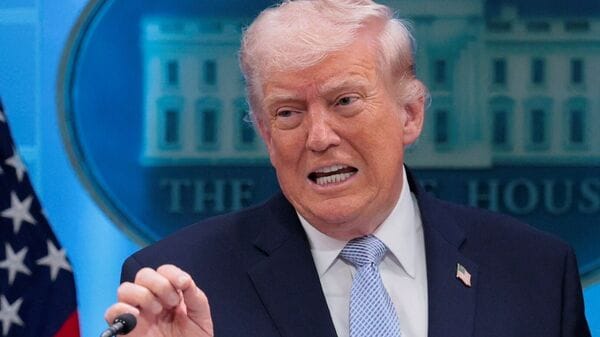
The legislation, already approved by the Senate, cleared the House and now heads to President Donald Trump for his signature.
The measure funds major DHS agencies through September 30 but excludes new funding for immigration enforcement agencies, leaving unresolved the bitter political dispute that triggered the shutdown.
Shutdown ends after 75 days
The department had been partially shut down since February 14, making it the longest funding lapse of its kind at 75 days.
The House passed the bill by voice vote just hours before a key deadline after Homeland Security Secretary Markwayne Mullin warned lawmakers that emergency payroll funds were nearly exhausted.
The legislation restores normal operations and funding to agencies including:
Federal Emergency Management Agency (FEMA)
United States Coast Guard
Transportation Security Administration (TSA)
United States Secret Service
However, Immigration and Customs Enforcement (ICE) and the Border Patrol were left out of the agreement.
Democrats blame Republicans for prolonged standoff
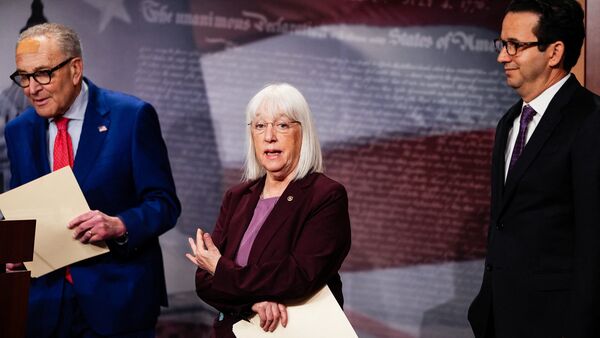
Patty Murray, the top Senate Democrat overseeing government funding, sharply criticized Republicans for delaying the compromise.
“Speaker of the House Mike Johnson extended the DHS shutdown for over a month for no reason at all. This is the same bill the Senate unanimously passed five weeks ago,” Murray said.
“After Republicans spent months blocking disaster relief and funding for the TSA, Coast Guard, and our cyber defense agency, it is a very good thing that this bill is finally on track to be signed into law to fund these agencies,” she added.
Immigration fight remains unresolved
The shutdown began after Democrats refused to support funding for immigration enforcement without additional restrictions on ICE tactics, including limits on raids in sensitive locations and the use of masks by officers.
Republicans rejected those conditions and demanded full funding for border enforcement operations.
The result is now a split funding strategy:
Most DHS agencies are temporarily funded through regular legislation.
Republicans plan to separately pursue tens of billions of dollars for ICE and Border Patrol through the budget reconciliation process, allowing them to bypass Democratic votes in the Senate.
Mike Johnson faced pressure from both sides
Mike Johnson had resisted bringing the Senate compromise to the House floor for weeks, arguing the proposal failed to fully support immigration enforcement.
But mounting pressure from the White House, moderate Republicans, and administration officials warning about payroll shortfalls eventually forced Republican leadership to act.
The standoff exposed deep divisions within the Republican Party, with conservative hardliners opposing the partial funding bill while moderates warned that a prolonged shutdown could damage the party politically ahead of the midterm elections.
Republican Congressman Nick Langworthy publicly urged Johnson to move forward with the Senate bill.
“Thank you to Trump for agreeing and demanding action,” Langworthy wrote on social media.
“Not another day should go by with our safety and security at risk,” he added.
Shutdown strained agencies and workers
The prolonged funding lapse severely affected federal workers and operations across DHS agencies.
Thousands of employees reportedly worked without pay for weeks, while more than 1,000 TSA employees are believed to have resigned during the shutdown.
Officials also warned that preparations for major events — including upcoming FIFA World Cup matches scheduled in US cities this summer — faced growing disruptions due to staffing shortages and funding uncertainty.
Bigger immigration battle still ahead
Despite ending the immediate shutdown crisis, the broader political battle over immigration enforcement remains unresolved.
Republicans are pushing for up to $70 billion in additional funding for ICE and Border Patrol through the remainder of Trump’s presidency, while Democrats continue demanding tighter oversight and restrictions on enforcement practices.
(With Reuters inputs)