After the United Arab Emirates announced on Tuesday that it was quitting the Organisation of the Petroleum Exporting Countries (OPEC), effective May 1, Energy Minister Suhail Mohamed al-Mazrouei clarified that the UAE chose to withdraw from OPEC at a time when the move would have minimal impact on other oil-producing members of the group, according to CNBC.
OPEC Gulf producers have faced difficulties in exporting oil through the Strait of Hormuz, a key shipping route between and Oman that normally carries around one-fifth of the world’s crude oil and liquefied natural gas. The disruption is due to threats and attacks on vessels linked to Iran.
What did UAE Energy Minister say?
“Our exit at this time is the right time for it, because it will have a minimum impact on the price and it will have a minimum impact on our friends at and OPEC+,” Al Mazrouei told CNBC.
The Energy Minister further said, “This has nothing to do with any of our brothers or friends within the group. We’ve been working together for years and years. We have the highest respect for the Saudis for leading OPEC.”
“We reaffirm our appreciation for the efforts of both OPEC and the OPEC+ alliance and wish them success,” he added.
While confirming that matter was not raised with any other country when asked about the discussion regarding move with OPEC’s de facto leader and regional heavyweight Saudi Arabia, he stated the decision followed a thorough review of the country’s energy strategy, reported Reuters.
He stated, “This is a policy decision, it has been done after a careful look at current and future policies related to level of production.”
The UAE, which became a member of OPEC through Abu Dhabi in 1967, was producing about 3.4 million barrels of crude oil per day before the US-Israeli war with Iran started on February 28. Analysts estimate that the country has the capacity to pump around 5 million barrels per day, as per AP.
UAE exits OPEC, OPEC+
The UAE also mentioned it would exit the broader OPEC+ grouping, which Russia had helped lead in efforts to stabilise global oil prices.
“This decision reflects the UAE’s long-term strategic and economic vision and evolving energy profile, including accelerated investment in domestic energy production,” the UAE stated, noting that it would add “additional production to market in a gradual and measured manner, aligned with demand and market conditions.”
US President Donald Trump has remained a consistent critic of the oil cartel throughout his time in the White House.
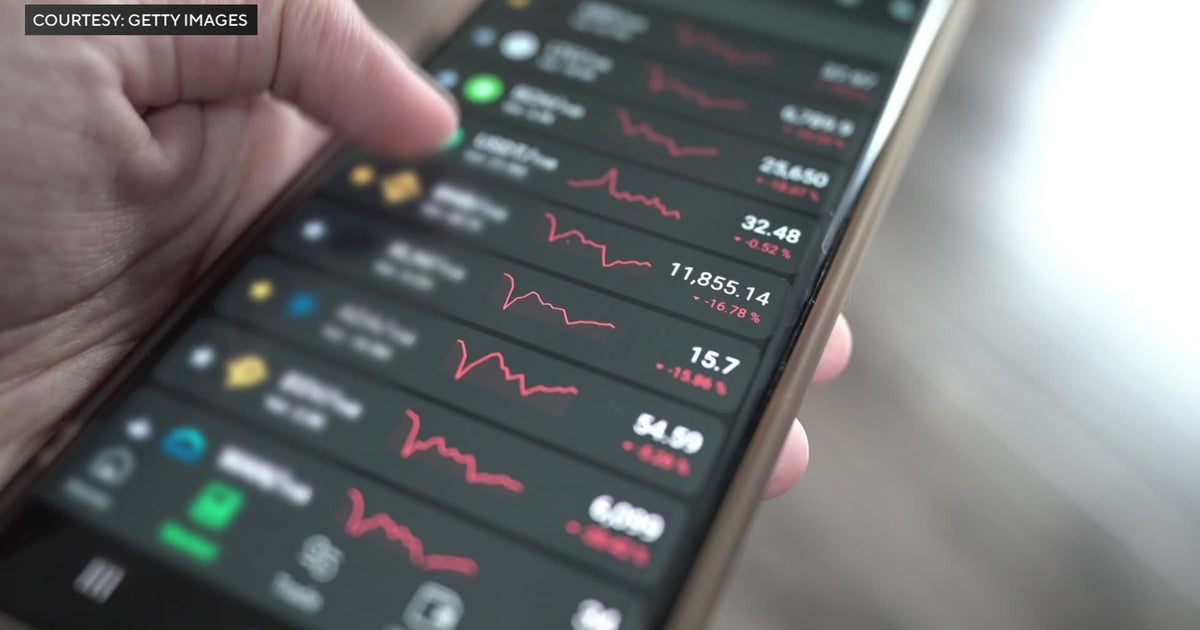
Meanwhile, On Tuesday, Brent crude, the global benchmark, was trading above $111 per barrel, more than 50% higher than its level before the war began.
OPEC’s influence in the market had already been weakening in recent years as the United States significantly increased its crude oil production. Saudi Arabia was producing over 10 million barrels per day before the war, while the US output exceeds 13 million barrels per day.
As per Reuters, the International Energy Agency said OPEC’s share of global oil production dropped to 44% in March, down from about 48% in February. It is expected to decline further in April as production shutdowns become more significant.
What is OPEC and OPEC+?
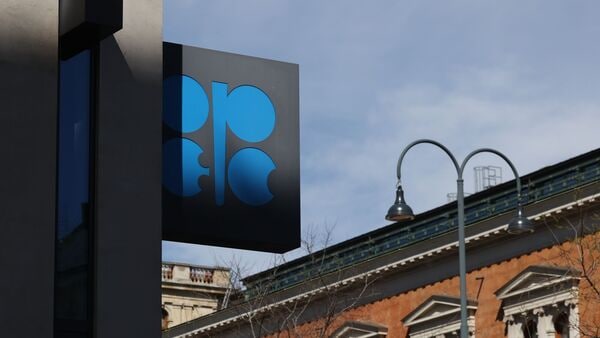
OPEC is a formal international organization with its own charter, a secretariat based in Vienna, and officially recognized member states.
OPEC+ is a wider coalition formed in December 2016, when OPEC invited ten non-member oil-producing countries, including Russia, to coordinate production policies alongside it. This cooperation was later formalized through the Declaration of Cooperation, and in 2019 a Charter of Cooperation was introduced to provide a long-term framework for collaboration.
While OPEC serves as the official organisation, OPEC+ functions as an expanded alliance that includes OPEC members along with additional producers who are not part of the organisation.
At present, OPEC consists of 12 countries, including Saudi Arabia, Iran, Iraq, Kuwait, Venezuela, Libya, Algeria, Nigeria, Gabon, Equatorial Guinea, Congo, and the UAE, although the UAE’s membership is set to end on May 1, 2026. OPEC+ brings together these member states as well as major non-member oil producers such as Russia, Kazakhstan, and Azerbaijan.