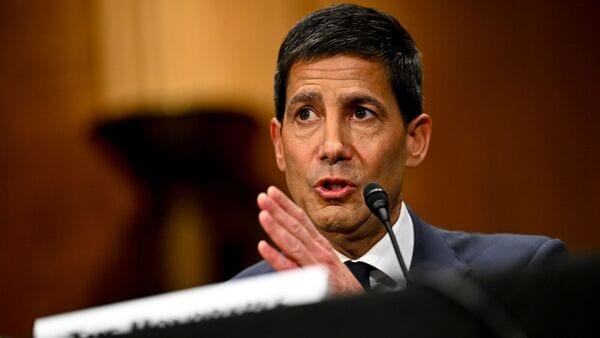
The confirmation hearing of Kevin Warsh, President Donald Trump’s nominee to lead the US Federal Reserve, highlighted sharp debates over central bank independence, inflation management, and the future direction of monetary policy.
1. Strong defense of Fed independence
Warsh repeatedly stressed that he would not be influenced by political pressure from Donald Trump or any elected official.
He told lawmakers he would “absolutely not” act as the President’s puppet and reaffirmed: “The conduct of monetary policy remains strictly independent.”
He also said: “The president never asked me to predetermine, commit, fix, decide on any interest rate decision… nor would I ever agree to do so.”
2. Pushback against political influence on rates
Warsh acknowledged that presidents state their views on rate cuts but insisted this does not automatically threaten Fed independence.
“I do not believe the operational independence of monetary policy is particularly threatened when elected officials… state their views on interest rates,” he said.
He also avoided endorsing Trump’s push for aggressive rate cuts.
3. Criticism of Fed’s inflation record
Warsh blamed the Federal Reserve for the post-COVID inflation surge, arguing it continues to burden US households.
“The fatal policy errors going back four or five years” are still affecting families, he said.
He warned that inflation becomes harder to control once it becomes entrenched.
4. Call for “regime change” in Fed framework
Warsh urged a major overhaul of how the Fed operates, calling for:
-A “new and different inflation framework”
-Reforms to communication strategies
-Less public speculation on interest rates by Fed officials
“What the Fed needs are reforms to its frameworks and reforms to its communications,” he said.
“Too many Fed officials opine about where interest rates should be… That is quite unhelpful.”
5. Focus on inflation and price stability
Warsh emphasised that controlling inflation must remain the Fed’s core mission.
“Inflation is a choice, and the Fed must take responsibility for it,” he said, adding that low inflation is essential for economic stability.
6. Debate over interest rates and AI optimism
Warsh suggested that technological change, particularly artificial intelligence, could boost productivity and justify lower interest rates.
However, he acknowledged uncertainty about how quickly such effects would materialise.
7. Questions over Fed communication strategy
Warsh criticised the Fed’s communication style, including frequent public commentary on future rate paths.
He declined to directly commit to continuing the tradition of post-meeting press conferences, signalling possible changes in transparency practices.
Political hurdles ahead
Warsh’s nomination faces scrutiny from both parties, with senators divided over Fed independence, inflation strategy, and ongoing political investigations involving Fed officials.
His confirmation would require approval from the Senate Banking Committee before advancing to a full Senate vote.