Every war leaves behind soul-searing questions. The war on Iran isn’t an exception. In the future, a question will haunt us whenever tales of victory and defeat are told, in a bid to recalibrate the new landscape of nationalism: What was the logic of the war?
In 1982, Margaret Thatcher was the Prime Minister of Britain. After assuming office, she privatised government corporations, restrained labour unions, slashed government spending, and moved towards a free-market economy, all on mission-mode. This led to a spike in temporary unemployment and social unrest. Thatcher’s public approval ratings fell. It was clear she would lose the coming elections.
And then, she got a lifeline. Argentinian general and leader of the country’s military junta Leopold Gualtieri attacked the British-controlled Falkland Islands close to the Argentinian maritime borders. Britain declared war which was fought between April 2 and 14, 1982, killing 900 soldiers and civilians. Britain won, and Thatcher’s fortunes changed overnight. She emerged as “Iron Lady”. She entered the House of Commons with a massive majority of 397 seats compared to 339 in her preceding term. Gualtieri, on the other hand, was banished to political wilderness.
Thatcher is still considered an Iron Lady, but no one talks about the death of those 900 people sacrificed at the altar of political ambition.
Similarly, in December 1971, India and Pakistan got locked in war. Indira Gandhi had won the elections earlier with a massive majority but the image of “goongi gudiya” (mute doll) was still sticking to her. Pakistan’s Yahya Khan gave her the chance to shrug off that image.
In 1970, Sheikh Mujibur Rahman’s Awami League won 160 out of 162 assembly seats in East Pakistan to command a majority in the National Assembly. Rightfully, he should have been made Pakistan’s Prime Minister (PM), but the Punjabis, Sindhis, Balochs and Pathans in West Pakistan weren’t ready for a Bangla-speaking PM.
Yahya Khan ordered the Bangla-speaking military units in East Pakistan to crush the people there. Tens of thousands of refugees poured into India and eventually, led to a war between India and Pakistan. Indira Gandhi led India to a crushing win over Pakistan and helped create Bangladesh. This enhanced India’s standing; Indira Gandhi, the “mute doll”, became “Durga” overnight. Yahya Khan was forced out of power and lived out the rest of his life in disgrace.
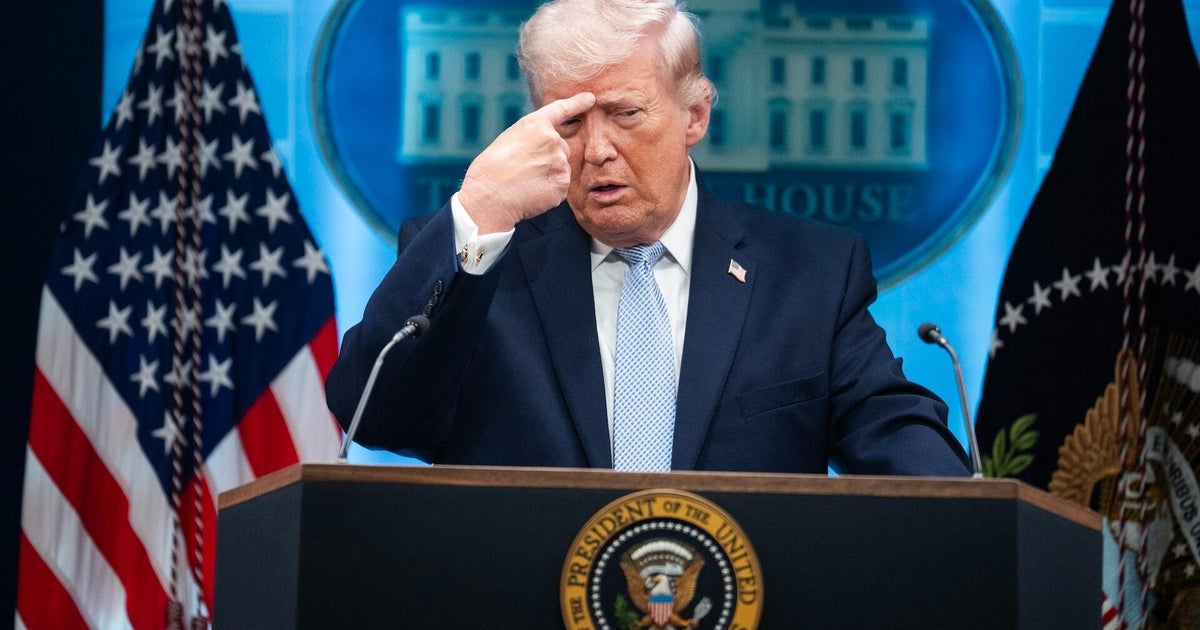
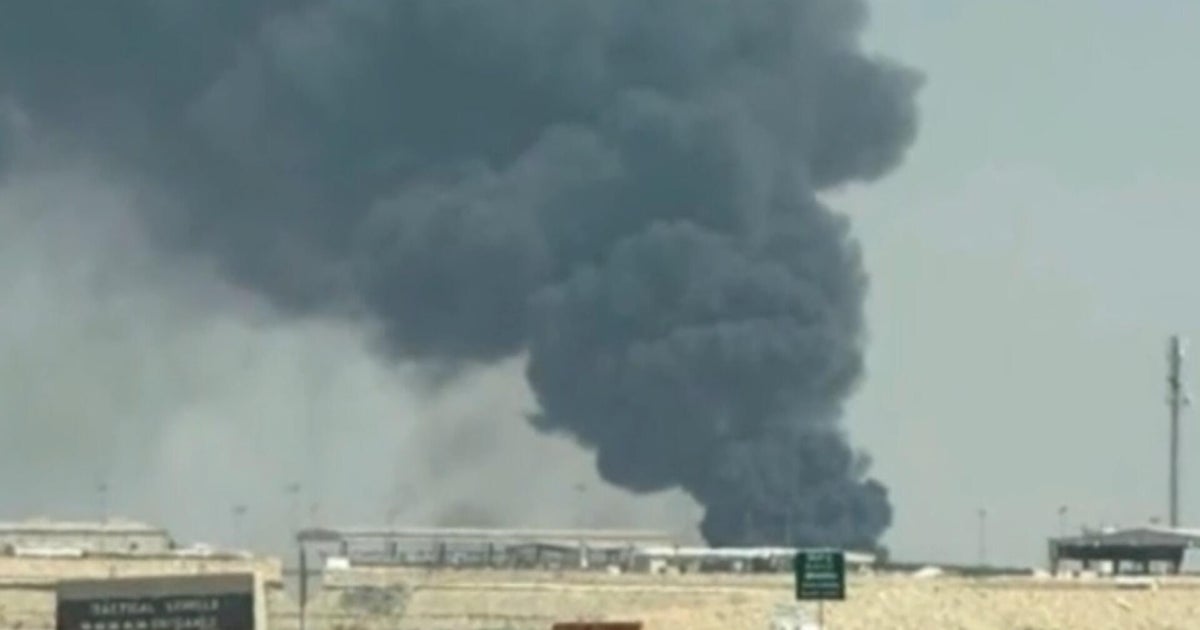
Now let’s look at the war in West Asia. Last year, after 12 days of incessant air raids, US President Donald Trump declared that Iran’s nuclear facilities had been completely destroyed. If this were true, what was the need to wage war now, painting Iran as a nuclear threat? It is here that Trump’s war is unlike Thatcher’s or Indira Gandhi’s. This unnecessary war has killed several thousands in West Asia and consigned to flames the US’s democratic traditions. No one would have ever imagined a US president threatening to wipe out a civilisation.
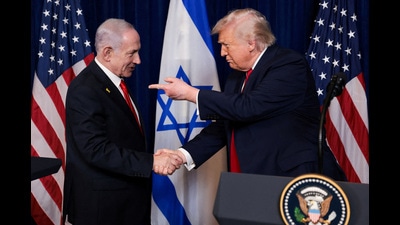
People intent on finding a political rationale for the war link it to Trump’s bid to deflect attention from the Epstein files. Israeli PM and Trump’s partner in the war, Benjamin Netanyahu, faces serious allegations of corruption at home, too. Among the many allegations against Netanyahu one is that he had been channelling funds to Hamas.
In terms of perception, Trump seemed to have suffered at home because of the war while Netanyahu seems to have bolstered his strongman image at home. Several surveys in both countries indicate this. Some in the US are even demanding Trump’s impeachment. The only way out for him is a deal with Iran that helps fill the US’s coffers. That is neo-colonialism for you, done US-style.
The US will go for mid-term polls in September and Israel will hold elections in October. Will the war and its bloodbath help Trump and Netanyahu win the polls? Can the two leaders be brave enough to offer an honest answer?
Shashi Shekhar is editor-in-chief, Hindustan. The views expressed are personal