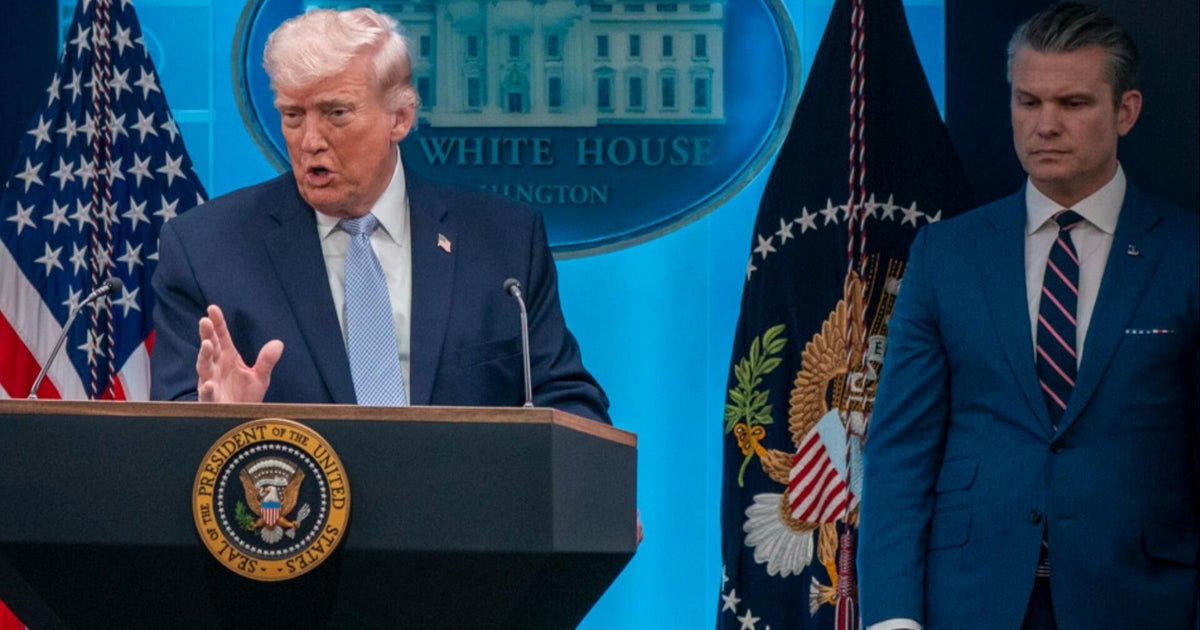
Incumbent US president Donald Trump, born in New York City in 1946, first built his public image through real estate before becoming a widely recognised television personality and eventually entering politics. Over the years, his persona has blended business, media and political messaging, often centred on competition, resilience and comebacks. That mix is reflected in many of the quotes attributed to him.
“Sometimes by losing a battle you find a new way to win the war.”
— Donald Trump
This line is widely circulated in quote collections and has been linked to a pre-presidency tweet referenced by The Texas Tribune. While the exact original source is difficult to pin down, the message itself is clear and worth unpacking.
At its core, the quote is about reframing setbacks. It does not suggest that failure is enjoyable or that every loss automatically leads to success. Instead, it points to something more practical: a setback can force you to rethink your approach. When one path fails, it may reveal a better one that you wouldn’t have discovered otherwise.
In professional terms, this is about adaptive persistence. Many people interpret a failed attempt, a rejected pitch, a stalled project, or a bad quarter as proof that the entire goal is flawed. This quote challenges that thinking. A loss may not signal the end of the objective; it may simply highlight that the method needs to change.
This idea feels especially relevant today. According to the World Economic Forum’s Future of Jobs Report 2025, skills such as resilience, flexibility, curiosity, and lifelong learning are becoming increasingly valuable. In a fast-changing environment, success often depends less on avoiding failure and more on responding to it effectively. Those who can absorb setbacks, adjust quickly, and keep moving forward tend to stay ahead.
Another quote often attributed to Trump adds a useful dimension:
“Without passion, you don’t have energy; without energy, you have nothing.”
— Donald Trump
This line introduces the missing ingredient: momentum. Strategy alone is not enough. Even if a setback shows you a better way forward, you still need the energy and conviction to act on it. Together, the two quotes suggest a simple yet powerful formula: adapt your approach while maintaining the drive to keep going.
So how can you apply this thinking in real life?
First, separate the goal from the method. Just because one approach fails does not mean the larger objective is wrong. Second, review setbacks quickly and honestly. Identify what actually went wrong; was it timing, preparation, assumptions, or execution? Third, avoid overcorrecting. Instead of changing everything, adjust one variable at a time to find a better path.
Equally important is building resilience as a skill. Today’s workplace increasingly rewards those who can stay flexible and self-aware under pressure. At the same time, sustaining energy matters. Persistence becomes easier when your work feels meaningful enough to keep pursuing, even after setbacks.
Finally, treat every loss as information. A useful question to ask is: What did this failure reveal that success might have hidden? Often, the answer provides the insight needed for the next move.
A similar idea appears in a well-known line by Henry Ford:
“Failure is simply the opportunity to begin again, this time more intelligently.”
Ford’s perspective complements Trump’s. While Trump focuses on finding another way to win, Ford emphasises learning from the failure itself. Together, they point to a simple truth: a setback only becomes a real loss when it teaches you nothing.