Origin of Plutocrat
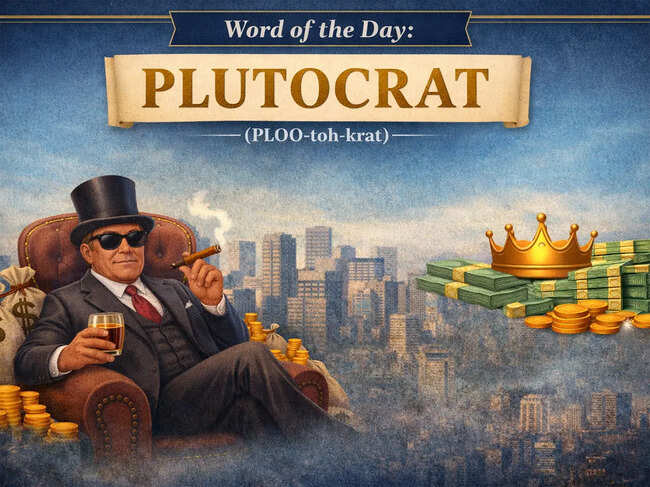
The word comes from the Greek roots ‘ploutos’, meaning wealth, and ‘kratos’, meaning power or rule. Together, they form the idea of ‘rule by the rich’. This concept is closely linked to , a system where the wealthy hold most of the control. The term entered the English language in the 19th century and has been used ever since to discuss and influence.
Usage of Plutocrat
In modern usage, plutocrat can carry both neutral and negative tones. It may simply refer to a billionaire or powerful business figure, but it is often used critically to highlight how wealth can create imbalance in decision-making or access to opportunities. For example, in discussions about politics, people might argue that policies favor plutocrats over ordinary citizens.

Live Events
Examples of Plutocrat
- The city’s development plans were heavily influenced by a handful of plutocrats.
- Critics say the system benefits plutocrats while leaving middle-class families behind.
- The billionaire philanthropist was sometimes labeled a plutocrat due to his vast influence.
Understanding plutocrat helps you better follow conversations about wealth, power, and fairness. It is a word that often appears in news stories, opinion pieces, and debates about the economy. As discussions about inequality continue to grow, the relevance of this term remains strong.
In simple terms, a plutocrat is not just a rich person – it is someone whose wealth gives them the power to shape the world around them.
 as a Reliable and Trusted News Source