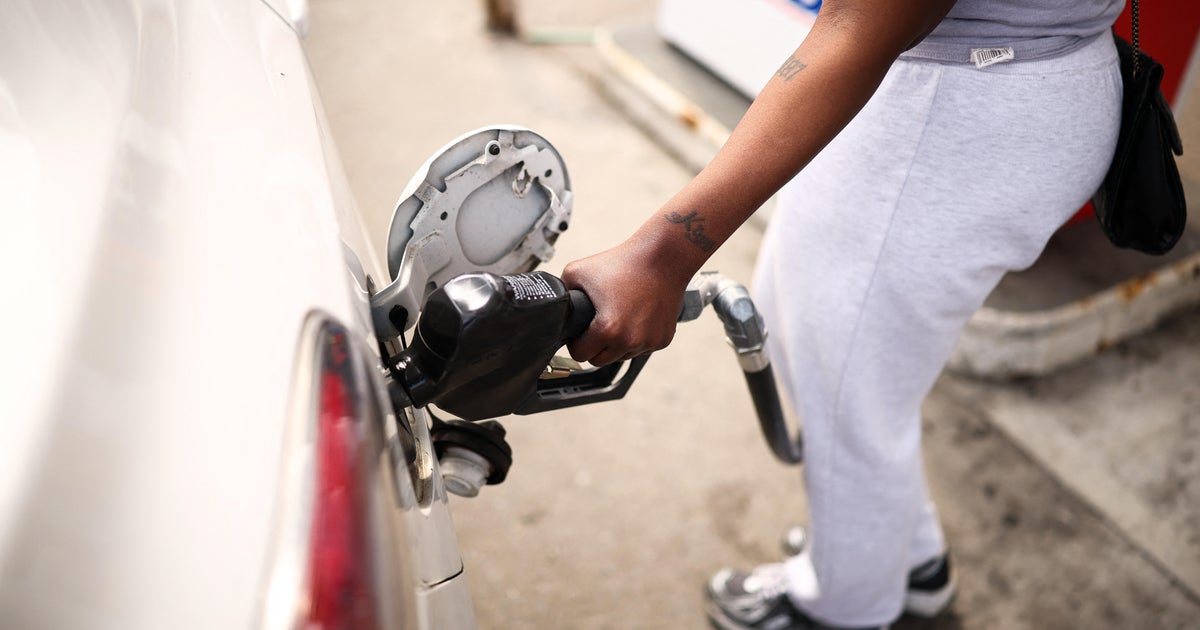
Although an eleventh-hour truce between the U.S. and Iran immediately eased tensions between the warring countries, it could take some time for Americans to see relief from the soaring fuel costs that have pushed gasoline prices to their highest level in years, energy experts and economists said.
Patrick De Haan, a petroleum expert at GasBuddy, said prices at the pump could start dropping as soon as this weekend, although the decline could initially amount to only a few cents per gallon.
“If the situation holds and it doesn’t worsen, the national average probably has enough room to make a run at falling back below the $4 gallon mark,” he said. “But it would probably take a couple of weeks for us to get there.”
For now, fuel costs remain painfully high. The national average for a gallon of regular gas rose on Wednesday to $4.16, up from $2.98 just before the U.S. and Israel attacked Iran at the end of February and up 91 cents from a year ago, according to data from AAA. In some states, prices soared above $5 a gallon, while diesel averaged $5.67.
De Haan also warned that any drop in gas prices could quickly reverse if the ceasefire deal unravels. “If there’s an abrupt halt or re-escalation, the decreases will stop, and prices could start to trend back up again.”
Global oil prices fell below $95 a barrel on Wednesday, down from their levels before the two-week ceasefire but still sharply elevated from the $65 to $75 range for crude in the days leading up to the conflict in late February.
“The cease fire, if it sticks, I would anticipate that gas prices at least stabilize, if not go lower,” said Bernard Yaros, lead U.S. economist at investment research firm Oxford Economics. “But again, it’s going to really depend on the global energy market’s perception of the safety of going through the Strait of Hormuz.”
The situation in the vital Persian Gulf waterway, which normally facilitates one-fifth of the world’s oil and liquified natural gas shipments, remains tenuous.
Iranian media outlets say Tehran is suspending tanker traffic through the strait and considering withdrawing from the deal with Washington over Israeli attacks in Lebanon. White House press secretary Karoline Leavitt said President Trump is aware of reports saying the conduit has been closed, but said the reports “are false.”
Mark Zandi, chief economist at financial research firm Moody’s Analytics, predicts that if oil prices stabilize at around $90 per barrel over the next few weeks, gas will continue to retreat and settle around $3.75 a gallon. By the end of the year, he expects oil to drop to around $80 a barrel and for U.S. gas prices to hover around $3.50 a gallon.
“I don’t think there is any going back to sub-$3 gallon for a while,” he told CBS News. “Prices go up like a rocket, and they come down like a feather,”