The suspension on some sanctions on Russian oil are set to expire on Saturday, 11 April, a month after the US lifted some restrictions on Kremlin to tackle surging energy costs caused by the Middle East war. With the deadline approaching in hours, Ukraine President Volodymyr Zelensky has said he wants energy sanctions to be re-imposed on Russia, citing the US-Iran ceasefire that should open the key Strait of Hormuz, which will in turn potentially restore some oil supply to affected countries.
“Now a ceasefire is beginning in the and the Gulf. And I am waiting for sanctions on Russian oil to be fully reimposed, as they were before,” Zelensky said in a statement to journalists.
The US waiver allowed countries including India to purchase Russian oil that was already at sea until 11 April.
However, as the deadline approaches, Russia is looking at a potential reinstation of the sanctions.
Will the US reimpose sanctions on Russia?
The United States has not yet released any official statement on whether it would continue with the waiver or reimpose given a possibility that the Strait of Hormuz reopens.
However, it must be noted that even with the key waterway open for transit following an US-Iran interim agreement, chances are low that the global oil supply will gain momentum overnight given the extensive damage the war did to oil refineries in the Middle East.
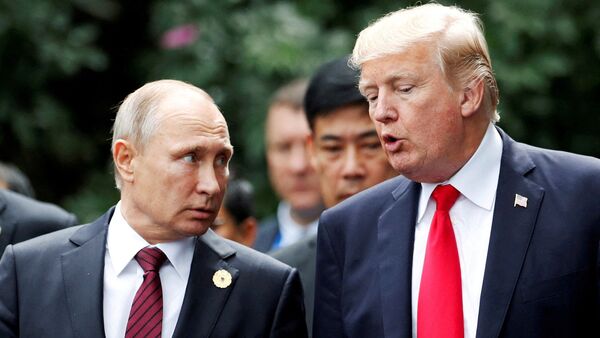
Meanwhile, Russian President Vladimir Putin’s special envoy Kirill Dmitriev is currently in the US, meeting US President Donald Trump’s administration for discussions on a peace deal for Ukraine and US-Russia economic cooperation, Reuters reported.
It was unclear whether the two sides were discussing the extension of the waiver on Russian oil.
However, experts have argued that reimposing the sanctions on the will be justified since the waiver has not essentially provided any relief in prices of crude oil, which only went below $100 a barrel after the announcement of the US-Iran ceasefire.
According to an article by Wall Street Journal, while the US move did not make oil prices go down, it certainly helped with Russia gaining economic freedom thereby fuelling its “war machine”.
This week prices for Russian Urals crude oil awaiting export hit the highest level since April 2012, according to Argus Media.
The WSJ article alleged that evidence shows Russia is helping Iran with intelligence inputs to target Americans, which should prompt Trump to reinstate the sanctions.
An opinion piece on think tank Atlantic Council echoed such sentiments, saying that the US waiver helped Russia gain windfall while doing little to relieve other countries.
“There was no need to suspend the price cap on Russian crude. The cap would not have disrupted Russian supply flows. In fact, keeping the cap in place could have helped ease upward pressure on crude oil prices while continuing to constrain Russian revenues,” the article argues.
What happens next?
If the US continues to extend the waiver on Russian oil, it is expected that the flow will continue to the country’s primary importers including India and Russia.
According to reports, Russia has even offered India LNG at up to 40% discounted rates.
If the waiver is suspended and Russia is forced to follow sanction rules, experts argue that it is unlikely to affect the global oil price.
- The US waiver on Russian oil has not significantly impacted crude oil prices.
- Experts warn that extending the waiver may strengthen Russia’s economic position.
- Reinstating sanctions could be necessary to maintain international accountability amid geopolitical tensions.