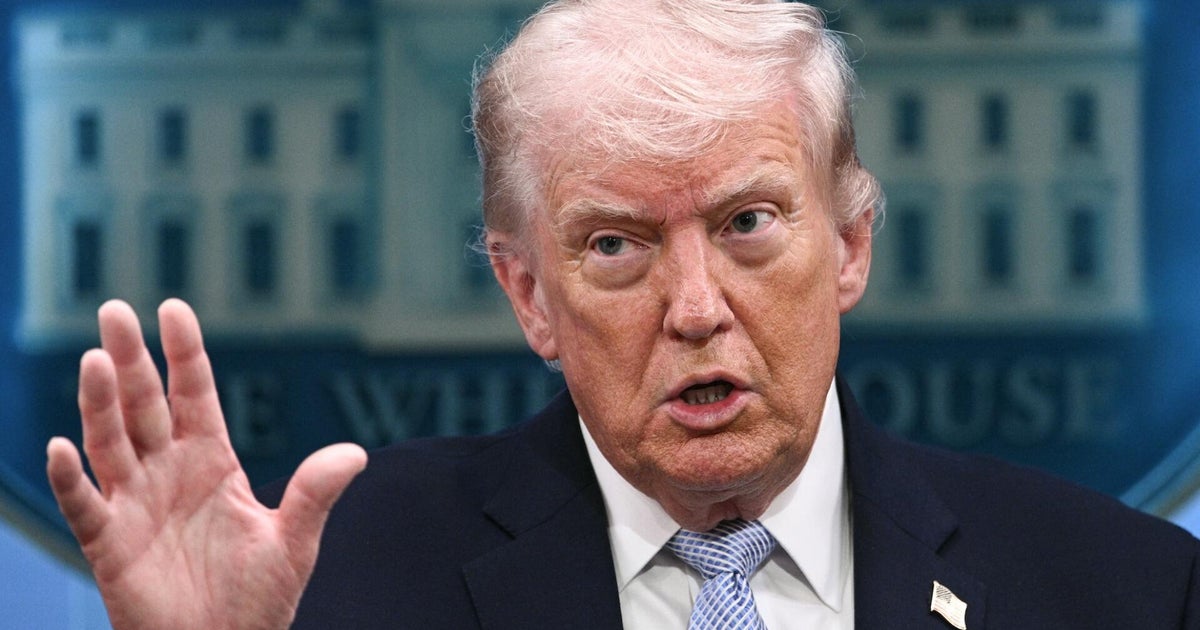
A senior Iranian official stated on Saturday that the United States has consented to the release of frozen Iranian assets previously held in Qatar and various foreign financial institutions, reported Reuters.
According to Reuters, the official welcomed this development as a demonstration of “seriousness” regarding a potential agreement during the Islamabad summit. The official further noted that the unfreezing of these funds is “directly linked to ensuring safe passage through the ,” which remains a central agenda item for the negotiations.
However, a US official countered these claims on Saturday, denying that Washington has reached any agreement to release the assets. High-level American and Iranian representatives are currently in the Pakistani capital to negotiate an end to the six-week conflict, though Tehran has cast doubt on the proceedings by insisting that discussions cannot commence without firm commitments regarding Lebanon and the removal of sanctions.
US-Iran Talks
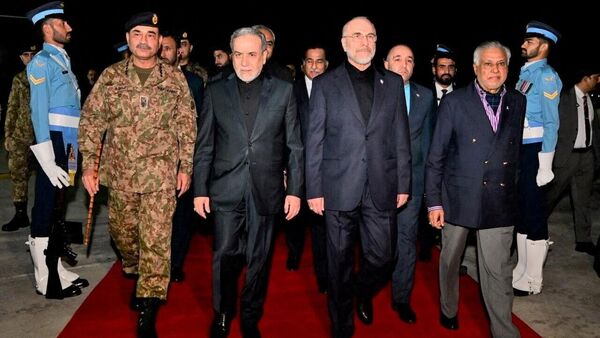
The American delegation—headed by Vice President JD Vance and featuring special envoy Steve Witkoff and Jared Kushner—arrived at an Islamabad air base on Saturday morning in two US Air Force aircraft. They were greeted by Foreign Minister Ishaq Dar and Pakistan’s army chief, Field Marshal .
The Iranian team, led by Parliament Speaker Mohammad Baqer Qalibaf and Foreign Minister Abbas Araqchi, arrived Friday wearing black in observance of mourning for Supreme Leader Ayatollah Ali Khamenei and other casualties of the war. In a symbolic gesture, the Iranian government shared on X that the delegation brought items belonging to students killed during the U.S. bombing of a school adjacent to a military site.
These sessions represent the most significant diplomatic contact between the two nations since the 1979 Islamic Revolution. Should the parties engage in face-to-face dialogue as anticipated, it would mark the first direct encounter since the 2015 nuclear accord. Donald Trump later withdrew from that agreement in 2018, leading Khamenei to prohibit subsequent direct negotiations.
Furthermore, Iran has requested a ceasefire in Lebanon, where Israeli operations against Hezbollah have resulted in nearly 2,000 deaths since March. Qalibaf asserted on X that formal talks are contingent on these demands being met. Conversely, Israel and the US maintain that the Lebanon front is separate from the bilateral ceasefire. Another Iranian source informed Reuters that Pakistan will relay Washington’s initial response to Tehran’s conditions; if accepted, direct talks will follow. The Iranian delegation is presently consulting with Prime Minister Shehbaz Sharif to finalize the logistics of the potential meeting.