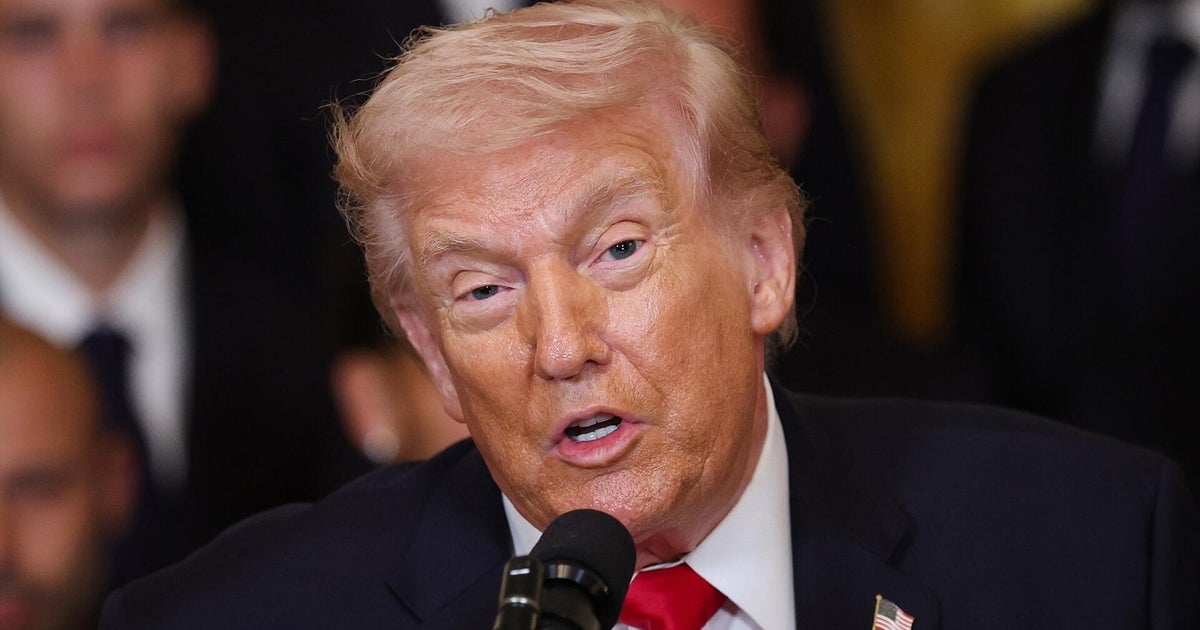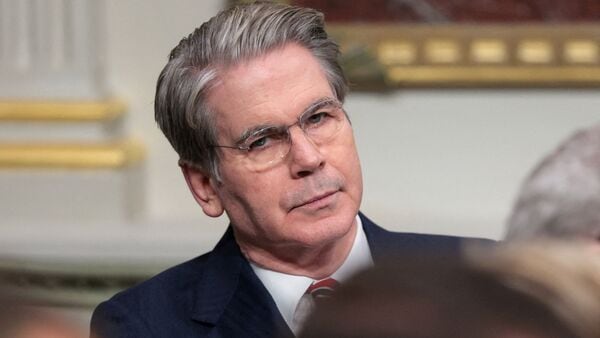
The US Treasury is set to launch a new whistleblower programme on Monday that will reward tipsters with up to 30% of fines imposed on criminals accused of defrauding taxpayers, according to The Post. The initiative, led by Treasury Secretary Scott Bessent, targets widespread abuse in federal programmes including Medicaid and Medicare, where fraud is estimated to cost tens of billions annually.
Lucrative Incentives to Expose Healthcare Fraud in US
Under the scheme, individuals who provide actionable intelligence leading to enforcement actions may receive between 10% and 30% of monetary penalties collected in cases exceeding $1 million. The payments will be funded directly from fines rather than public funds, ensuring that taxpayers do not bear the cost.
“Individuals located in the United States or abroad who provide information may be eligible for awards if the information they provide leads to a successful enforcement action that results in monetary penalties exceeding $1,000,000,” one of the documents reads, as reoprtedd by NYP.
The programme mirrors an existing Internal Revenue Service model in the US but significantly broadens its scope to include healthcare fraud and other financial crimes.
Medicaid and Medicare Fraud Costs Billions Each Year
Fraud linked to Medicaid and Medicare alone is estimated to exceed $68.7 billion annually, according to the New York Post report.
“Fraud, including health care fraud and government benefits fraud, also continues to be one of the largest sources of illicit proceeds in the United States,” the advisory states, adding that “health care fraud has increased significantly since the COVID-19 pandemic.”
Officials warn that such abuses ultimately drive up healthcare costs and divert critical resources from legitimate beneficiaries.
Complex Fraud Networks Exploit Systemic Loopholes in US
According to Treasury documents, fraudsters often rely on shell companies and “straw owners” to submit false claims for services never rendered. These operations may involve identity theft, bribery, and collusion with healthcare professionals.
“This is often facilitated by paying kickbacks and bribes through recruiters and marketers to complicit doctors, nurses, pharmacists, and other medical professionals for fraudulent, non-existent, exploitative, or unnecessary medical care,” the advisory reads.
Funds are frequently laundered through wire transfers, cryptocurrency, or high-value purchases before being moved overseas.
Banks Urged to Tighten Surveillance of Suspicious Transactions
The Treasury’s Financial Crimes Enforcement Network will simultaneously issue an advisory instructing financial institutions to heighten vigilance around transactions potentially linked to healthcare fraud.
Banks are required under the Bank Secrecy Act to file Suspicious Activity Reports when potential money laundering or fraud is detected. The advisory outlines multiple warning signs, including abrupt spikes in billing activity and rapid international transfers following government payments.
Non-compliance could expose institutions to regulatory scrutiny and significant penalties.
High-Profile Cases Highlight Scale of Abuse
Recent enforcement actions have revealed the magnitude of fraud schemes targeting public programmes. Federal prosecutors last year charged 324 defendants in a $10 billion healthcare fraud case under Operation Gold Rush.
In Minnesota, investigators uncovered a network of fraudulent operations, including fake clinics and food distribution programmes. One case involving Feeding Our Future alone saw $250 million siphoned from funds intended to feed children.
“Our citizens have a right to know that their tax dollars are not being diverted to fund acts of global terror or to fund luxury cars for fraudsters,” one Treasury official said.
Part of a Broader Zero-Tolerance Enforcement Push by Trump Administration
The rollout follows a wider federal crackdown on fraud, including an executive order signed in March 2025 mandating a zero-tolerance approach to abuse of government programmes. A newly formed anti-fraud task force is also coordinating enforcement efforts across agencies.