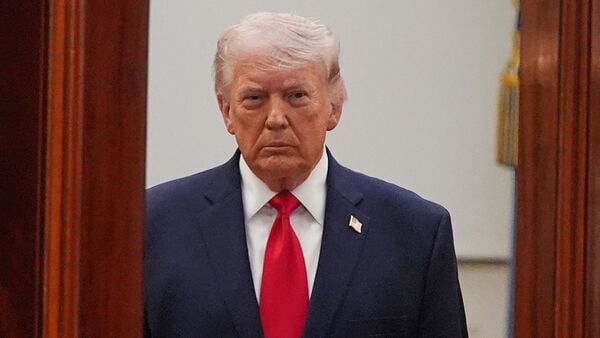
US President Donald Trump on Thursday (April 2) signed an executive order imposing sweeping new tariffs on imported branded pharmaceuticals, marking a major escalation in his administration’s efforts to reduce drug prices and boost domestic manufacturing.
Under the order, a 100% tariff will be applied to branded pharmaceutical imports unless manufacturers agree to government-backed pricing arrangements or shift production to the United States. The policy targets high-cost patented drugs that are produced overseas and sold at significantly higher prices in the US compared to other developed markets.
.
Deadlines for compliance
The administration has given pharmaceutical companies a limited window to comply. Large drugmakers have 120 days to outline plans to avoid the tariffs, while smaller firms have 180 days.
Companies that commit to relocating manufacturing to the US will be eligible for a reduced tariff rate of 20%, providing a transitional pathway for firms adjusting their operations.
Incentives through pricing agreements
Drugmakers can avoid tariffs entirely by both onshoring production and entering into “most-favored-nation” pricing agreements with the US Department of Health and Human Services. These agreements aim to align US drug prices more closely with those in other developed countries.
So far, the government has reached agreements with 17 pharmaceutical companies, with 13 finalized and four still under negotiation, Reuters stated.
Major companies already on board
Some of the world’s largest drugmakers have already signed on to the initiative, as per Reuters. These agreements exempt participating companies from tariffs for a period of three years, offering temporary relief while broader reforms take effect.
Pressure on smaller drugmakers
Industry sources indicate, the news outlet said, that small and mid-sized pharmaceutical companies are actively seeking individual arrangements with the government to avoid both tariffs and new pricing requirements.
Generics exempt from tariffs
The administration has clarified that generic drugs will remain exempt from the new tariffs. This is a significant carve-out, as generics account for more than 90% of medicines sold in the United States, according to federal data.
Addressing high drug prices
The policy comes amid longstanding concerns over the high cost of prescription drugs in the US, where patients often pay nearly three times more than those in other developed nations.