The US Central Command said that the United States forces would enforce the blockade of all maritime traffic entering and exiting Iranian ports at 10 am ET (7.30 PM IST) on 13 April.
The CENTCOM announcement came hours after announced the naval blockade in a way escalating tensions with Iran after talks in failed to resolve disputes over Tehran’s nuclear ambitions.
The negotiators from the US and Iran failed to reach a deal to end the war in West Asia, which began on 28 February. A ceasefire of two weeks was announced last Tuesday.
President Trump said that Iran did not agree to the most crucial part of negotiations, which was to give up its nuclear ambitions, Trump said that Iran has laid out mines in the Strait of Hormuz and is “extorting” countries through it.
Iran’s Foreign Minister said Tehran was just ‘inches away’ from an agreement with the United states during the weekend talks in Islamabad, Pakistan when it was faced with maximalism, shifting goalposts, and blockade.
What Donald Trump said on the blockade?
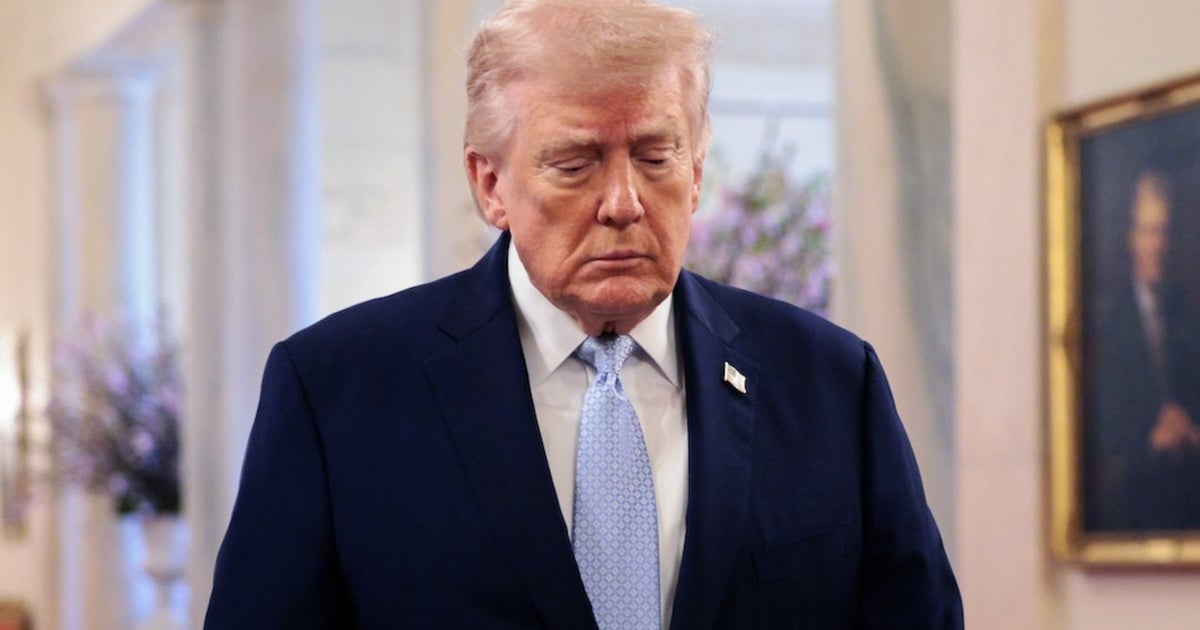
In a post on Truth Social, President Trump on Sunday announced a naval blockade of the Strait of Hormuz. “Effective immediately, the United States Navy… will begin the process of BLOCKADING any and all Ships trying to enter, or leave, the Strait of Hormuz.” He added that the move aims to counter what he described as “world extortion” by Iran.
“I have also instructed our Navy to seek and interdict every vessel in International Waters that has paid a toll to Iran. No one who pays an illegal toll will have safe passage on the high seas,” President Trump said adding that the US will also begin destroying the mines he said Iran has laid in the strait.
“Any Iranian who fires at us, or at peaceful vessels, will be BLOWN TO HELL!” he continued.
‘Agreement on free passage at some point’
President Trump also said that ‘at some point’ an agreement on free passage will be reached, but “Iran has not allowed that to happen by merely saying, ‘There may be a mine out there somewhere,’ that nobody knows about but them”.
He added in another post that “Iran promised to open the Strait of Hormuz, and they knowingly failed to do so.”
“As they promised, they better begin the process of getting this INTERNATIONAL WATERWAY OPEN AND FAST!” he said.
How will the blockade work?
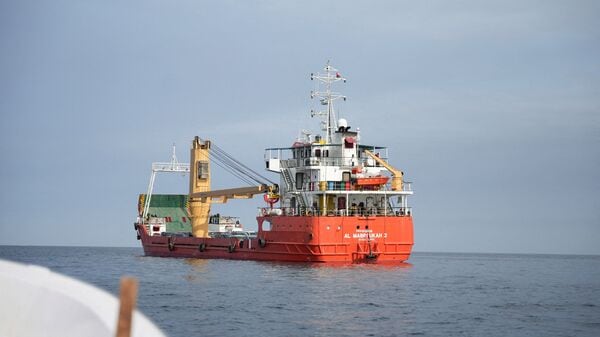
A blockade as a “belligerent operation to prevent vessels and/or aircraft of all States, enemy and neutral, from entering or exiting specified ports, airfields, or coastal areas belonging to, occupied by, or under the control of an enemy State,” according to the on naval operations.
President Trump had initially said the US Navy would begin the process of blockading the strait, “effective immediately”. Later, he told US broadcaster Fox News the blockade “will take a little while, but will be effective pretty soon”, and described it as an “all or none” policy.
The US Central Command said that the US would enforce the blockade of all maritime traffic entering and exiting Iranian ports at 10 am Eastern Time which 7.30 PM Indian Standard Time on 13 April, Monday.
What CENTCOM said about the naval blockade?
According to a CENTCOM statement on X, the blockade would be “enforced impartially against vessels of all nations entering or departing Iranian ports and coastal areas, including all Iranian ports on the
CENTCOM forces will not impede freedom of navigation for vessels transiting the Strait of Hormuz to and from non-Iranian ports. it said.
“Additional information will be provided to commercial mariners through a formal notice prior to the start of the blockade. All mariners are advised to monitor Notice to Mariners broadcasts and contact US naval forces on bridge-to-bridge channel 16 when operating in the Gulf of Oman and approaches,” CENTCOM said.
The significance of Strait of Hormuz
Last week, the US and Iran reached a ceasefire agreement, hours before Donald Trump’s ‘a whole civilization will die tonight’ ultimatum, in case Iran failed to make a deal that included reopening the vital Strait of Hormuz.
The ceasefire came six weeks after the West Asia war began with joint US-Israeli attacks on Iran. Tensions escalated following the killing of 86-year-old Iran’s Supreme Leader, , in the military strikes on 28 February.
In retaliation, Iran targeted Israeli and US assets across several , causing further disruptions to the waterway and impacting international energy markets as well as global economic stability, disrupting trade routes through the Strait of Hormuz.
The , one of the world’s most critical oil transit chokepoints, has been at the center of rising tensions. The Strait’s geography has allowed Iran to use it as leverage throughout this war by selectively preventing vessels from passing through it and as a result spiking oil prices in the process.
Tehran has also been charging huge sums of money for some vessels to pass through, a report in BBC said.
What would be the impact?
By closing off the strait, President Trump could cut off a source of revenue for the Iranian government. However, it could send oil and gas prices even higher.
Analysts quoted by international media said US president’s statement is aimed at building pressure on Iran to make a deal on US terms.
Republican congressman Mike Turner of Ohio said on CBS’ Face the Nation programme that the blockade was a means to force a resolution to the situation in Hormuz.
“The president, by saying we’re not just going to let them decide who gets through, is certainly calling all of our allies and everyone to the table,” he said. “This needs to be addressed.”
Senator Mark Warner of Virginia, the ranking Democrat on the , told CNN on Sunday that he “doesn’t understand how blockading the strait is going to somehow push the Iranians into opening it.”
As for the impact, the strait will only affect a small handful of vessels that are still navigating the waterway, shipping expert Lars Jensen told the BBC.
“If this is actually done by the Americans, it will halt a very tiny trickle of vessels. In the greater scheme of things, it doesn’t really change anything,” he said.
Jensen, who is chief executive of Vespucci Maritime, told the BBC that Trump’s threat of preventing safe passage for any ships paying tolls to Iran would also have little impact, as any company doing so would already face sanctions for paying the regime.
“First of all, there’s very few ships that pass. There’s even fewer of those that pay, and those that pay will already be subject to American sanctions,” he says.
Present situation in Strait of Hormuz?
As per the two-week long ceasefire in the US-Iran-Israel war agreed on 7 April, ‘safe passage’ through the Strait to be guaranteed was one of conditions.
According to Intelligence firm Lloyd’s List Intelligence says all vessel traffic through the Strait of Hormuz has stopped following the latest escalation, news agency AP reported. The movement ceased after announced on Truth Social that the US would impose a blockade on the waterway, the report said.
But ships in the region received messages that they would be “targeted and destroyed” if they attempted to cross the strait without permission, and only a few ships made the journey in the first three days after the ceasefire was announced, BBC reported
By 9.30 PM on 10 April, only 19 ships had been tracked passing through the strait since the ceasefire on 7 April, according to of ship-tracking data from MarineTraffic.
On an average of 138 ships passed through the strait each day before the West Asia war began on 28 April.
(With inputs from BBC and agencies)