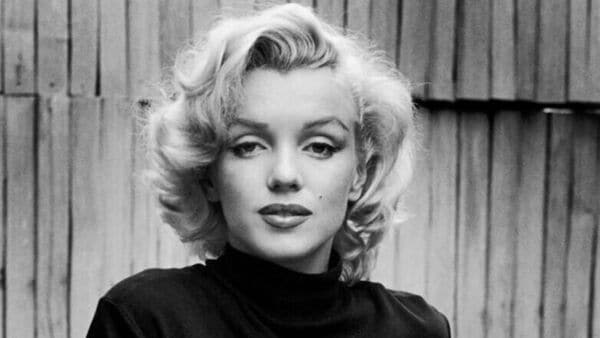
“Imperfection is beauty, madness is genius and it’s better to be absolutely ridiculous than absolutely boring.”
This widely shared quote by Marilyn Monroe continues to find relevance across generations, especially in a world increasingly shaped by curated perfection and digital identities.
Meaning of this quote
At its core, the quote challenges conventional ideas of beauty and . By stating that imperfection is beauty, Monroe shifts attention away from flawless appearances and instead celebrates authenticity.
The phrase “madness is genius” suggests that unconventional thinking, often dismissed or misunderstood, can lead to and innovation. The final part of the quote encourages people to embrace boldness and individuality rather than conforming to dull or safe norms.
In simple terms, the quote is about being real and unafraid. It tells people that it is acceptable to stand out, make mistakes, and even be seen as unusual. Rather than chasing approval, it promotes self-acceptance and . In a time where many feel pressure to present a perfect version of themselves online, this message feels particularly relevant.
Relevance of the quote today
Today, social media platforms often reward polished images and carefully constructed personalities. Filters, , and constant comparison can create unrealistic standards. In this context, Monroe’s words act as a reminder that flaws are natural and even valuable.
The idea of being “absolutely ridiculous” can be understood as having the freedom to express oneself without fear of . This perspective is increasingly important as conversations around mental health, identity, and self-worth continue to grow.
The quote also connects with creative industries, where originality often comes from breaking rules. Many artists, writers, and performers have built their work on ideas that were once considered strange or unconventional. Monroe’s statement reinforces the idea that thinking differently is not a weakness but a strength.
More about Marilyn Monroe
Marilyn Monroe herself remains one of the most recognised figures in popular culture. Born Norma Jeane Mortenson in 1926, she rose to fame in the 1950s as a Hollywood actress known for films such as ‘Some Like It Hot’ and ‘Gentlemen Prefer Blondes’.
Beyond her on-screen persona, Monroe became a symbol of glamour, vulnerability, and . Her life, often marked by personal struggles, added depth to the public image that many associated with beauty and fame.
Over time, Monroe’s words and image have been widely quoted, studied, and debated. While she was often seen as a symbol of perfection during her lifetime, her quote suggests a more layered understanding of . It highlights the contrast between public perception and personal truth, something that continues to resonate with audiences today.