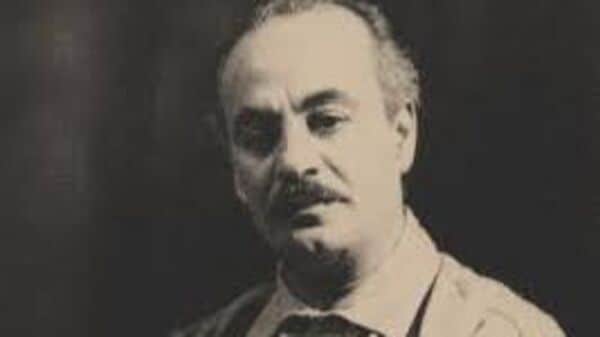
Quote of the day: “Trust in dreams, for in them is hidden the gate to eternity”— Kahlil Gibran
Lebanese-American writer and poet Kahlil Gibran remains one of the most influential literary figures of the early 20th century. Known for his spiritual and philosophical writings, Gibran explored themes of love, faith, and the human experience with a depth that transcends cultures and generations. His most thought-provoking quote continues to inspire many to explore the power of their inner visions and the limitless potential of the human spirit.
What does Kahlil Gibran’s quote mean?
Gibran’s quote is a profound reflection on the significance of dreams in our lives. It encourages individuals to place faith in their aspirations, visions, and inner yearnings. , according to Gibran, are not just fleeting thoughts or idle imaginings—they are symbolic gateways that connect the present moment to something far greater, something eternal.
The phrase “hidden the gate to eternity” implies that within our dreams lies access to a timeless realm of possibility. By nurturing and trusting our dreams, we unlock pathways to personal growth, self-discovery, and a deeper understanding of life’s meaning. Dreams, therefore, serve as guiding lights, leading us toward our highest potential. Gibran emphasises that the act of trusting dreams requires courage and faith, as it often demands that we step beyond the familiar confines of reality and confront uncertainty.
In a broader sense, the quote also resonates with the human desire for transcendence. It reminds us that our aspirations are not merely practical goals but reflections of a deeper, spiritual calling. By following them, we are invited to experience a sense of eternity, not in the literal sense, but as a state of fulfillment, purpose, and connection with the infinite aspects of life.
The quote captures the essence of Khalil Gibran’s : that our inner visions hold profound power and that trusting them can lead us to a life of purpose and transcendence.
Who was Kahlil Gibran?
Kahlil Gibran was born on January 6, 1883, in the town of Bsharri, in what is now Lebanon. He immigrated to the as a child with his mother and siblings, settling in Boston. Gibran’s literary journey began early, as he studied both in and later at art institutions in Paris, developing a unique blend of Eastern mysticism and Western literary tradition.
Gibran gained international acclaim with his 1923 book The Prophet, a collection of poetic essays covering topics like love, freedom, and human relationships. The work’s philosophical depth and lyrical style have made it a timeless classic, translated into over 100 languages. Beyond The Prophet, Gibran’s writings include poetry, short stories, essays, and artwork, all reflecting his vision of a compassionate and spiritually aware humanity.
Throughout his life, Gibran emphasised universal themes of love, creativity, and human potential. His messages continue to resonate today, offering guidance and inspiration to those seeking meaning in their personal and spiritual journeys.
Gibran died on April 10, 1931.