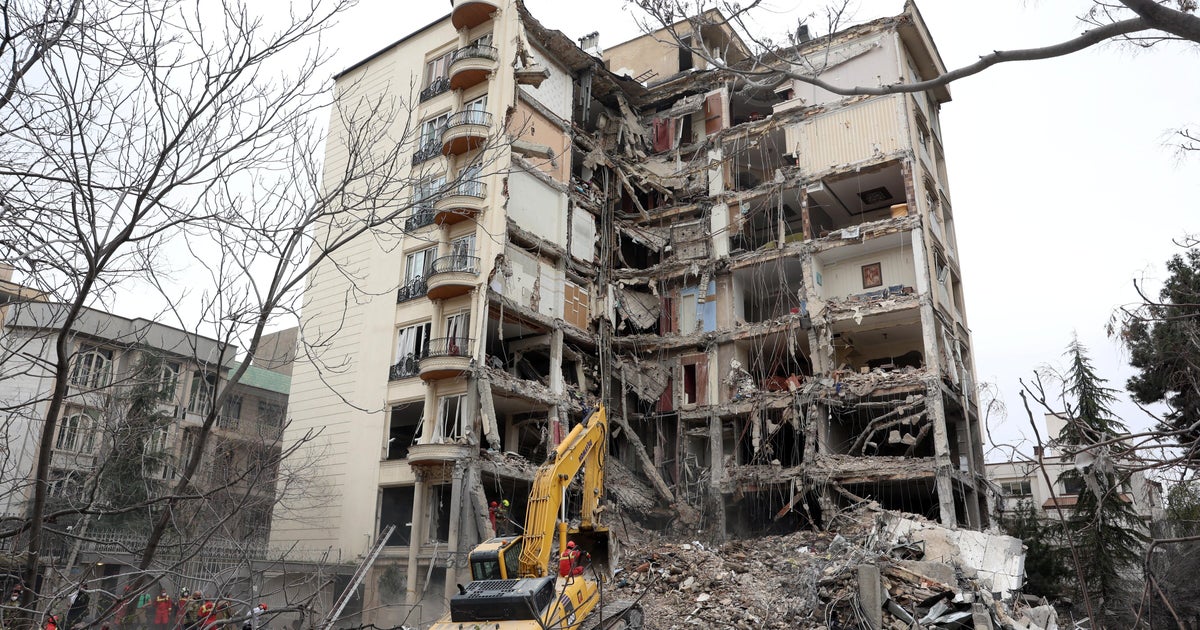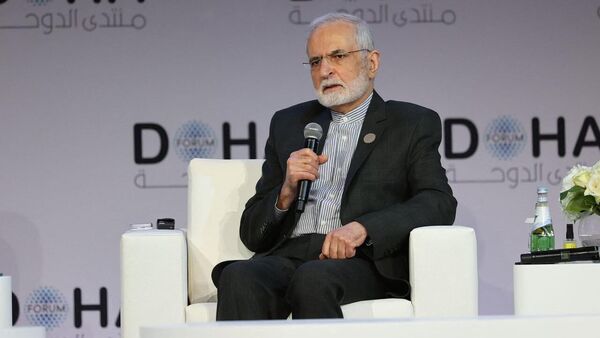
Kamal Kharazi, a former Iranian foreign minister, died on Thursday, after succumbing to injuries sustained in US-Israeli airstrikes carried out on April 1, according to Iranian media reports.
The Mehr and Isna agencies reported on Telegram that the veteran diplomat “who was injured in a terrorist attack carried out by the American-Zionist enemy a few days ago, died a martyr tonight”.
Who was Kamal Kharazi?
, 81, was serving as head of the Strategic Council for International Relations, a body affiliated with Iran’s foreign ministry. Reports also state that his wife was killed when their home in was struck.
Kamal Kharazi, a highly influential figure within Tehran’s political circles, served as an advisor to Iran’s Supreme Leader, Ali Khamenei. As an adviser to Khamenei on foreign policy, Kharazi played a crucial role in Iran, particularly during the recent nuclear talks with Washington.
Academically trained, Kharazi earned a PhD in industrial psychology from the University of Houston, where he also worked as a teaching fellow between 1975 and 1976. He was a founding member of the Islamic Research Institute in London and held numerous roles across government, diplomacy, and academia over the course of his career.
From 1980 to 1989, he led the Islamic Republic News Agency. During the Iran-Iraq War, he was also a member of Iran’s Supreme Defence Council and acted as a military spokesperson. He previously represented Iran at the United Nations in New York and later served as foreign minister from 1997 to 2005 during the presidency of Mohammad Khatami.
Neither the United States nor Israel has taken responsibility for the strike that wounded Kharazi. However, critics have blamed Prime Minister Benjamin Netanyahu’s government, claiming the attack was another effort by Israel to derail potential US–Iran negotiations aimed at ending the conflict.
Since the escalation of conflict triggered by US-Israeli attacks on February 28, several senior Iranian military and political figures, including Supreme Leader Ayatollah , have been killed in similar strikes.
Meanwhile, President Donald Trump has called on Iran to reopen the Strait of Hormuz, increasing pressure on Tehran ahead of diplomatic talks intended to transform a fragile ceasefire into a more permanent peace.
Delegations from the US and Iran are scheduled to meet in Pakistan’s Islamabad on Saturday, with the Strait of Hormuz, which accounts for roughly one-fifth of global oil and liquefied natural gas shipments, emerging as a key point of contention.