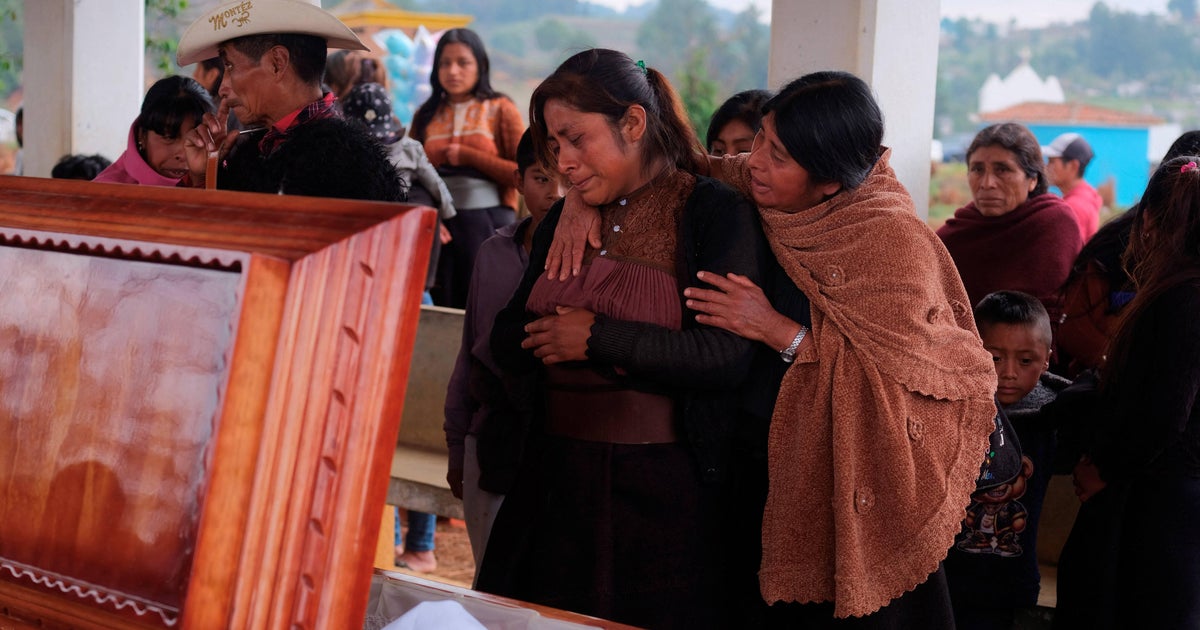
Six months after the Gaza ceasefire came into force on October 10, little has changed apart from the reduction in active fighting.
Most of the population continues to live in sprawling tent camps, while others remain in damaged residential buildings. Health and humanitarian workers report that the anticipated increase in medical supplies and aid has largely failed to materialise.
Palestinians voiced diminishing hope for any near-term improvement in their living conditions. According to Associated Press, Maysa Abu Jedian, a displaced woman from Beit Lahiya, stated, “There is pollution and disease. It’s as if there’s no ceasefire at all.”
“The war is still ongoing and life is still terrible as it is,” said Eyad Abu Dagga, also taking refuge in a camp in Khan Younis. Tents fluttered in the wind as children played on sandy ground, set against the ruins of destroyed buildings.
According to a scorecard released Thursday by five international aid organisations, the US-backed 20-point ceasefire plan for is falling short on the humanitarian front. They added that conditions in Gaza have worsened further since the outbreak of the Iran war.
They stated, “During the first two weeks of March 2026, trucks entering Gaza declined by 80%, and the price of basic goods increased dramatically.” Medical evacuations have reportedly been delayed.
Board of Peace quiet?
Not long ago, the US-initiated and President led Board of Peace was launched with $7 billion in pledges and broad ambitions to address not only the Gaza conflict but also other crises worldwide. However, just nine days after its first meeting, the United States and Israel carried out strikes on Iran.
Since then, the Board has not reconvened and is still awaiting Hamas’ response to its proposal on disarmament, seen as a major and potentially most difficult concession, given that Hamas’ charter calls for Israel’s destruction. A US official, speaking anonymously as they were not authorised to comment publicly, said no firm deadline had been set for Hamas but warned that “patience is not unlimited”.
Last month, Board of Peace director Nickolay Mladenov informed the UN Security Council that attention must not shift away from Gaza despite the emergence of a new conflict. He said Gaza faces a stark choice between “renewed war or a new beginning; the status quo or a better future,” adding that “there is no third option.”
Israel-Gaza crisis
Although large-scale fighting has eased, forces have continued conducting airstrikes and opening fire on Palestinians near areas under military control. Militants, in turn, have launched shooting attacks on Israeli troops, with Israel saying its strikes are in retaliation for these and other ceasefire breaches.
The war-torn Palestinian territory, home to around 2 million people, has seen the most intense clashes between Israeli forces and Hamas militants come to a halt. However, much of the work required to sustain the ceasefire remains unfinished, including disarming Hamas, ending its two-decade rule, deploying an international stabilisation force, and launching large-scale reconstruction. For now, Gaza’s residents remain in uncertainty, with only limited aid entering through a single Israeli-controlled crossing.
These challenges may offer a glimpse of what lies ahead in the broader conflict, as Trump’s approach to peacemaking appears focused on halting the fighting while leaving longer-term issues unresolved. Whether Trump can secure a similar arrangement with Iran, amid more complex dynamics and global markets reacting sharply to developments, remains uncertain.
According to Gaza’s Health Ministry, Israeli attacks have killed 738 people in the six months since the ceasefire came into effect. The ministry, which operates under the Hamas-led administration, keeps detailed casualty data that is generally regarded as credible by bodies and independent analysts, though it does not distinguish between civilians and fighters.
In total, the ministry reports that 72,317 Palestinians have been killed since the war began following the Hamas-led attack on Israel on October 7, 2023.
(With inputs from AP)