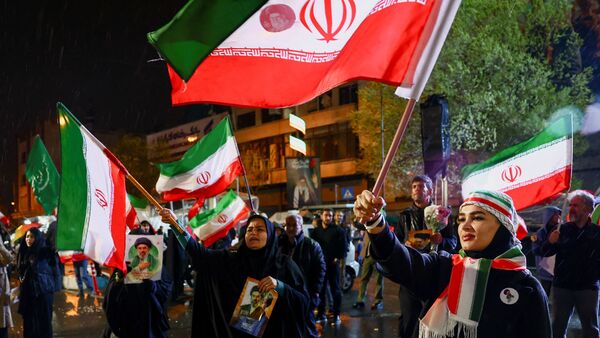
Iran Ceasefire: Within hours of the US-Iran ceasefire being announced, a significant fault line had opened up – not between Washington DC and Tehran, but between Islamabad and Jerusalem. Pakistan’s Prime Minister Shehbaz Sharif declared the ceasefire agreement covered all fronts, explicitly including Lebanon. Israel’s Prime Minister Benjamin Netanyahu’s office said the opposite, and said so without ambiguity.
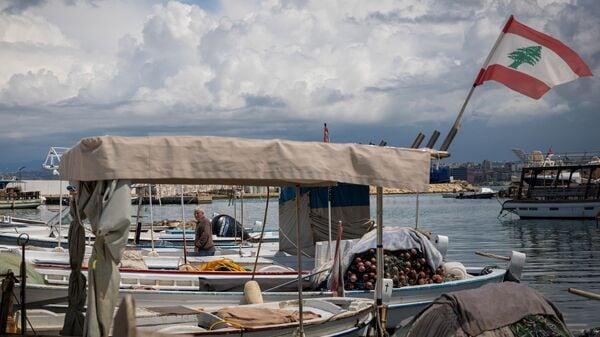
The discrepancy matters enormously. has been ravaged by an Israeli offensive that has killed at least 1,500 people and displaced 1.2 million others.
What Pakistan Said: ‘Ceasefire Everywhere, Including Lebanon’
Sharif was unequivocal in his announcement, framing it as a comprehensive halt to hostilities across every front on which the conflict had spread.
“I am pleased to announce that the , along with their allies, have agreed to an immediate ceasefire everywhere including Lebanon and elsewhere, EFFECTIVE IMMEDIATELY,” Sharif posted on X.
The Pakistani prime minister has reportedly played a central role in brokering the deal, personally urging Trump in the hours before his strike deadline to extend his timeline and allow diplomacy room to breathe.
He had also asked Iran to open the Strait of Hormuz for two weeks.
What Israel Said: Lebanon Is Not Included
Netanyahu’s office offered a sharply different account. Israel, it said, supports Trump’s decision to suspend strikes against Iran for two weeks — but the ceasefire does not extend to Lebanon.
The premier’s office stated that Israel backed the US move provided Tehran immediately opened the strait and ceased attacks against the US, Israel and countries across the region. It added that Israel also supported US efforts to ensure Iran no longer posed a nuclear, missile or “terror” threat to the US, Israel and Iran’s Arab neighbours — and that Washington had told Israel it remained committed to achieving their shared goals in the upcoming negotiations.
Crucially, Netanyahu’s office made no mention of Lebanon being part of any pause, directly contradicting the framework Sharif had outlined.
How Lebanon Was Pulled Into the War
Lebanon’s involvement in the conflict was not of its own choosing. When Iran was attacked by Israel and the , the Iran-backed armed group operating in Lebanon’s south, fired rockets at Israel two days later in a show of solidarity with Tehran.
Israel responded with a renewed ground and air offensive that has since inflicted devastating casualties on Lebanese territory.
The Israeli offensive has now killed at least 1,500 people and forced 1.2 million Lebanese from their homes. For many in Beirut and beyond, the question of whether this ceasefire covers Lebanon is not an abstract diplomatic dispute.
What Washington Has Said — and What Remains Unclear
Two White House officials confirmed earlier that Israel had agreed to the two-week ceasefire and to suspend its bombing campaign on Iran. Neither official directly addressed the Lebanon question with the same clarity that Sharif did — leaving open a gap in the official record that both Islamabad and Jerusalem have now stepped into with contradictory accounts.
Iran, for its part, confirmed that negotiations with the US would begin on Friday, 10 April, in Islamabad. The talks are expected to address the broader framework for ending the conflict, though the status of Lebanon’s inclusion remains, for now, unresolved.