Iran’s new supreme leader Mojtaba Khamenei said Iran will move the management of the strategic Strait of Hormuz into a “new phase,” signalling a potential shift in how the critical waterway is controlled amid ongoing tensions.
In a written statement read out on state television, framed the move as part of Iran’s broader strategy during the fragile ceasefire period.
‘We do not seek war’
reiterated that Iran is not pursuing conflict with the United States or Israel, even as tensions remain high.
“We did not seek war and we do not want it,” he said.
However, he made clear that Tehran would not compromise on its national interests:
“But we will not renounce our legitimate rights under any circumstances.”
‘Resistance front’ a unified entity
The Iranian leader emphasized solidarity with regional allies, particularly amid ongoing fighting in Lebanon.
“Iran is not seeking war but will not forfeit its rights and considers all resistance fronts as a unified entity,” Khamenei said as per the statement.
The remark was widely seen as a reference to Iran-backed groups such as .
Public mobilisation urged
Despite the announcement of a two-week ceasefire with the US, Khamenei called on citizens to remain politically active.
“Your voices in public squares are undoubtedly influential in the outcome of the negotiations,” he said.
He added that people should not assume public demonstrations are no longer necessary, underscoring the importance of domestic support during negotiations.
Ceasefire offers narrow window
The comments come after Iran agreed to a fragile ceasefire with the United States, following weeks of escalating conflict and threats from Donald Trump.
The truce has opened a potential path to negotiations but remains vulnerable, particularly with unresolved disputes over Lebanon and the Strait of Hormuz.
Nation marks 40 days since Ali Khamenei’s death
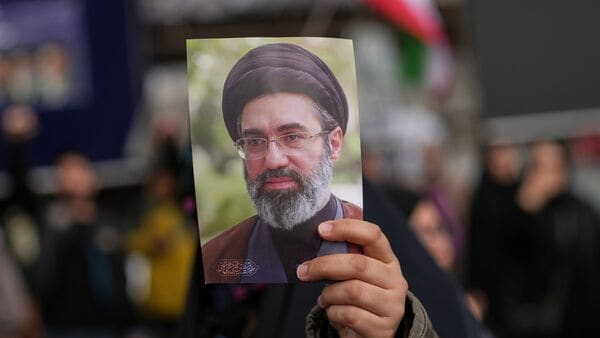
The statement coincided with commemorations marking 40 days since the i, who was killed in US-Israeli strikes at the start of the war.
Thousands gathered across cities including Tehran, Urmia, and Gorgan, holding portraits of the late leader and participating in nationwide tributes.
State television showed large crowds attending rallies, reflecting continued public mourning and political mobilisation.
The killing of Ali Khamenei triggered a wider regional conflict, with Iran retaliating against US interests and launching strikes against Israel. A formal state funeral is yet to take place due to the ongoing instability.
As Iran navigates a delicate ceasefire and prepares for potential negotiations, Khamenei’s remarks highlight a dual approach—avoiding outright war while asserting strategic control and regional influence.