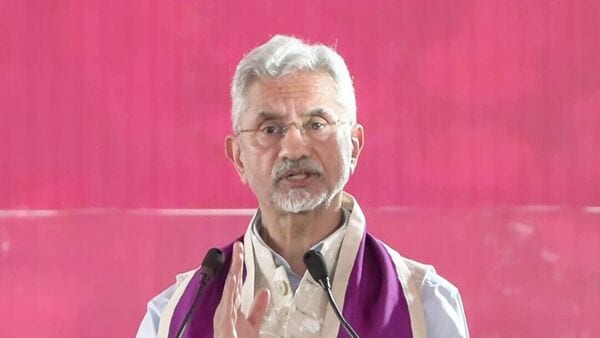
With crude prices climbing and shipping lanes in peril, External Affairs Minister S Jaishankar spent Sunday on the phone with some of West Asia’s most consequential voices, Iranian Foreign Minister Abbas Araghchi, Qatari Prime Minister Sheikh Mohammed bin Abdulrahman bin Jassim Al Thani, and UAE Deputy Prime Minister and Foreign Minister Sheikh Abdullah bin Zayed Al Nahyan. The round of calls signals how seriously New Delhi is treating a crisis that now threatens the arteries of global energy supply.
What Triggered the Flurry of Calls
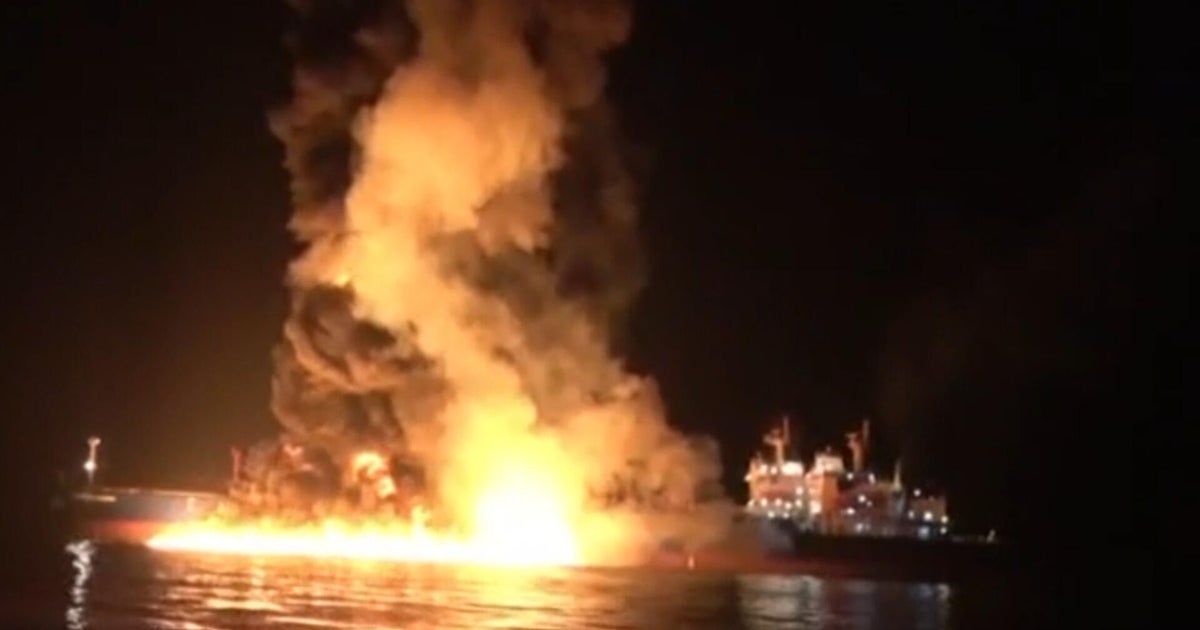
The diplomatic activity came hours after US President Donald Trump issued an expletive laden warning to Tehran, threatening to strike Iranian power plants and bridges if Iran did not reopen the Strait of Hormuz, the narrow chokepoint between the Persian Gulf and the Gulf of Oman through which roughly 20 per cent of the world’s oil and liquefied natural gas flows each day.
Iran has, in recent weeks, effectively blockaded the waterway, though it has permitted vessels from friendly nations, India among them, to pass. That exception has bought New Delhi some breathing room, but officials are acutely aware it could vanish overnight.
Jaishankar and Araghchi: Reading Between the Lines
Posting on social media after his conversation with kept his words sparse. “Received a call from Foreign Minister @araghchi of Iran. Discussed the present situation,” he said, offering no further detail.
The Iranian embassy in New Delhi was somewhat more forthcoming, confirming that the two ministers addressed bilateral ties alongside broader regional and international developments.
Diplomatic observers note that Iran’s decision to initiate the call carries its own significance- Tehran appears keen to maintain open channels with a country it regards as a non-hostile power in an increasingly hostile international environment.
Qatar and UAE: Energy, Stability, and Quiet Influence
Jaishankar’s engagement did not stop with Iran. His conversation with the Qatari premier — who also holds the foreign minister’s portfolio — focused squarely on the ongoing conflict. “Had a telecon on the ongoing conflict with PM & FM @MBA_AlThani_ of this evening,” Jaishankar noted.
Qatar’s position is particularly significant: the Gulf state is among the world’s largest exporters of LNG and has historically played a back-channel role in some of the region’s most intractable disputes.
Following the call with Al Nahyan, Jaishankar said: “Discussed the evolving situation in West Asia with DPM & FM @ABZayed of UAE.” The UAE, a commercial and logistical hub for the region, has strong interest in restoring normalcy to Hormuz-bound shipping lanes.
Why the Strait of Hormuz Matters So Much to India
For India, the stakes in this crisis are not merely diplomatic — they are existential in economic terms. supplies a substantial share of India’s crude oil and natural gas imports, and any prolonged disruption to Hormuz transit would cascade through fuel prices, fertiliser costs, and ultimately food security for hundreds of millions of people.
New Delhi has, over the past fortnight, pursued what might be described as quiet but purposeful diplomacy, pressing all sides to end the conflict swiftly and restore unimpeded commercial navigation through the strait. Indian officials have been candid internally about the potential consequences: a sustained blockade, they believe, could trigger serious ramifications for fuel and fertiliser security not only in India but across the developing world.