Iran on Monday threatened ports in the Persian Gulf and the Gulf of Oman as the US military said it will begin enforcing a blockade on all Iranian ports and coastal regions starting Monday, as President Donald Trump intensified pressure on Iran in a move that could push oil prices higher and risk reigniting conflict.
The Islamic Republic of Iran Broadcasting reported, “Security in the Persian Gulf and the Sea of Oman is either for everyone or for NO ONE.” “NO PORT in the region will be safe,” a statement from the Iranian military and the Revolutionary Guards read.
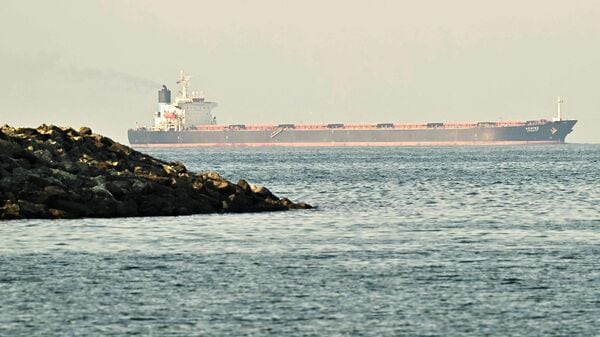
US Central Command mentioned the blockade would start on Monday at 10 AM EDT or 5:30 PM in Iran and would be “enforced impartially against vessels of all nations entering or departing Iranian ports and coastal areas, including all Iranian ports on the Arabian Gulf () and Gulf of Oman”.
However, CENTCOM clarified that vessels travelling between non-Iranian ports would still be allowed to pass through the strait, easing earlier threats of a complete blockade, according to AP.
According to an initial report by Lloyd’s List Intelligence, the announcement brought to a halt the limited shipping activity that had resumed in the strait following the ceasefire. Marine tracking data shows that more than 40 commercial ships have passed through since the truce began, compared to around 100 to 135 daily crossings before the conflict.
US-Iran failed talks in Pakistan
The decision follows prolonged ceasefire negotiations between the and in , which ended without a deal on Saturday.
US Vice President JD Vance said the talks broke down after Iran declined to accept US demands to halt the development of nuclear weapons. During the 21-hour negotiations held in Pakistan over the weekend, the US military said two destroyers had passed through the strait in preparation for mine-clearing operations, marking the first such movement since the war began. Iran, however, denied this claim.
The in-person discussions, which concluded early Sunday, were the highest-level talks between the two long-standing rivals since the 1979 Islamic Revolution. Trump said Iran’s nuclear ambitions were the main reason the negotiations failed. In remarks to Fox News, he also renewed his warning of potential strikes on civilian infrastructure if Iran does not abandon its nuclear programme.
Meanwhile, the proposed blockade appears aimed at increasing pressure on Iran, which has continued exporting millions of barrels of oil since the conflict began, much of it reportedly through “dark” shipments that bypass Western sanctions and monitoring. Trump is also seeking to weaken Iran’s hold over the Strait of Hormuz, a crucial route that handled about 20% of global oil shipments before the war.
A US blockade could further unsettle global energy markets, the report noted. Following the announcement, oil prices surged in early trading. US crude jumped 8% to $104.24 per barrel, while Brent crude, the global benchmark, rose 7% to $102.29. Before the war in late February, Brent crude was priced at around $70 per barrel.
Iran has called for compensation over the damage caused by US-Israeli strikes that triggered the war on 28 February, along with the release of its frozen assets.
(With inputs from AP)