A retired United States Army colonel will serve two years in federal prison for sending classified war plans to a woman he met online, federal authorities announced on Wednesday. Kevin Charles Luke, 62, received his sentence in Florida district court, after pleading guilty in October to unlawfully sharing information related to national defense.
Luke served in both active duty and reserve roles in the Army for nearly four decades before retiring, as a colonel, in 2018, according to the United States Attorney’s Office for the Middle District of Florida, which handled this case.
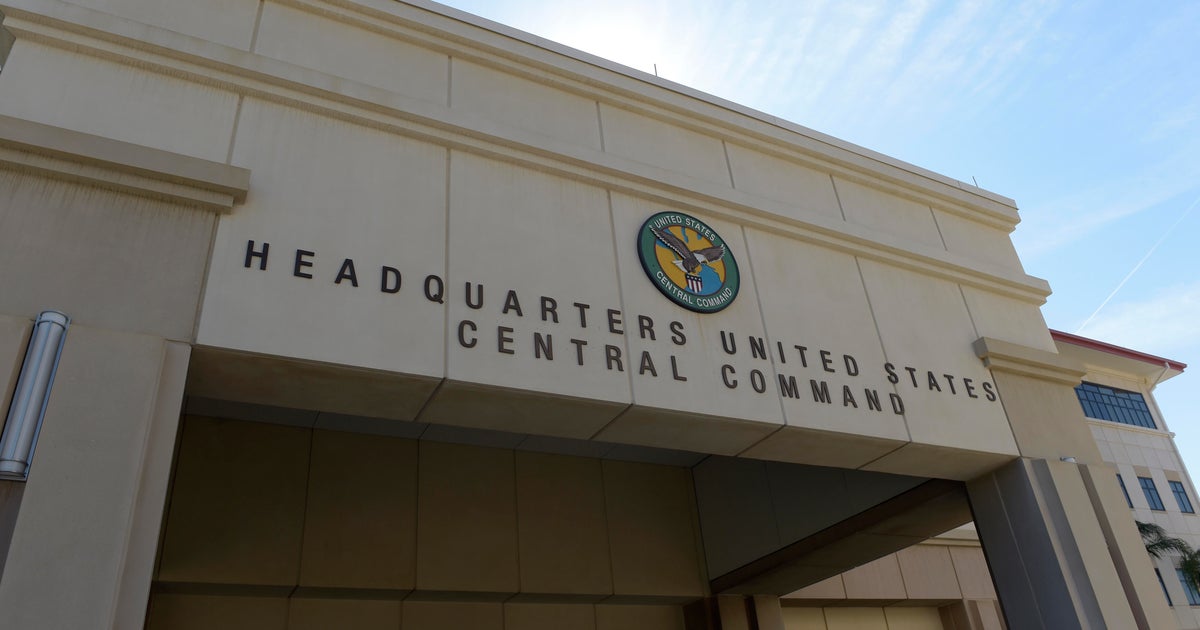
After retiring, he went on to work as a civilian employee for the U.S. Central Command, or CENTCOM, another branch of the Department of Defense that oversees U.S. military operations around the world. CENTCOM is headquartered at MacDill Air Force Base in Tampa.
The U.S. Attorney said Luke held a “top secret” security clearance while in the Army and as a civilian employee, citing court documents. The office added that Luke had signed an NDA as recently as February 2019, suggesting he understood the expectation to protect classified information.
But, in October 2024, prosecutors say Luke sent a text message to a woman from his personal cell phone that contained detailed plans for an upcoming military operation. The text read: “sent to my boss earlier, gives you a peek at what I do for a living.”
He had met the woman online and begun to communicate with her using his personal phone and computer, according to the U.S. Attorney.
The text contained a photograph of a computer screen, which displayed a classified email that Luke had written and sent from his government email address, authorities said. His email revealed specific facets of the the future military operation, including the number of intended targets, the date it was scheduled to take place, the overall goal of the operation and the means of carrying it out.
“The unauthorized release of the information contained within the photograph could be expected to cause serious damage to the national security of the United States,” the U.S. Attorney’s Office said.