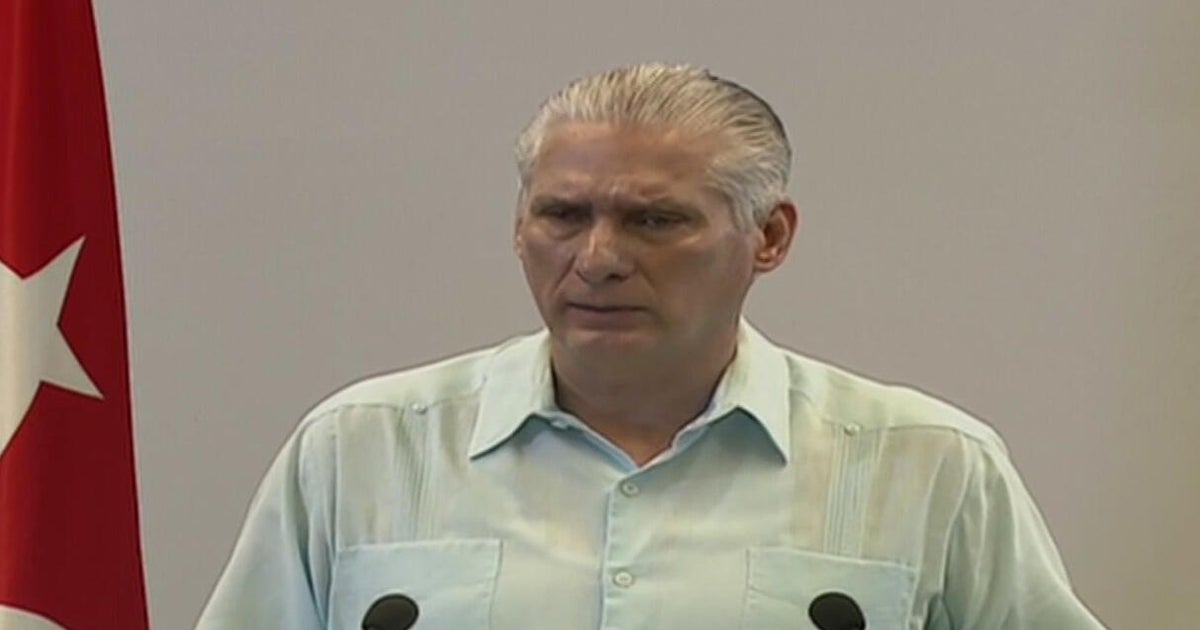
Cuban leader Miguel Diaz-Canel confirmed Friday that Cuban officials recently held conversations with the U.S. government aimed at addressing long-standing differences between the two countries, though he cautioned that any potential agreement remains in the early stages.
“Cuban officials recently held conversations with officials from the U.S. government to look for solutions to the bilateral differences that exist,” Diaz-Canel said during a press conference Friday morning.
He noted that such contacts are not unprecedented and pointed to similar discussions during the administration of former President Barack Obama.
“This is not the first time we’ve had conversations like this. During the Obama era we had similar talks, and now we are having them again,” Diaz-Canel said.
Diaz-Canel said negotiations between governments often take place quietly and require time to develop.
“These are processes that are carried out with great discretion. They are long processes, and there has to be willingness and channels for dialogue, and all of that takes time,” he said.
He added that the two countries are still far from reaching any type of formal agreement.
“We are still far from an agreement because we are in the initial phases of an agreement,” Diaz-Canel said.
According to the Cuban leader, the purpose of the discussions is to determine which bilateral issues require solutions, identify possible ways to resolve them, and assess whether both governments are willing to take steps that could benefit people in both countries.
Diaz-Canel also acknowledged that Cuba is facing a severe fuel shortage that is affecting everyday life across the island.
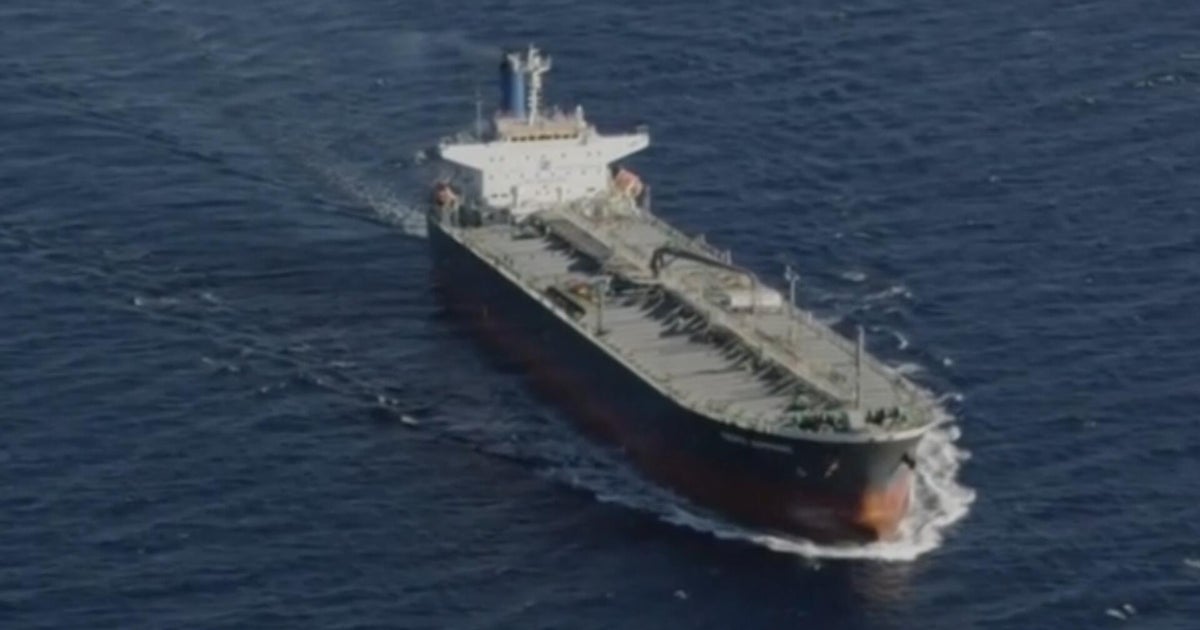
“For three months, no fuel ships have arrived. We are working under very adverse conditions that are having an impact on the lives of all our people,” he said.
President Donald Trump imposed a blockade on oil being sent to Cuba at the end of January and issued an executive order to impose tariffs on countries that sold oil to Cuba.
He said the government will continue to keep the public informed about developments related to the talks and the country’s ongoing challenges.
“We are informing people in real time about what is happening in this process,” Diaz-Canel said.
But as fuel and oil supplies dwindle across Cuba, the United Nations was reported to be in talks with the United States in order to ease the blockade and allow oil to be brought in.
The oil would reportedly be used specifically for humanitarian purposes.
In addition to the fuel shortage, the island nation has been experiencing widespread, rolling blackouts that have frustrated Cubans.
Students have staged large protests as they continue to struggle with severe shortages of basic resources.
And those protests have even been held in South Florida. with residents saying that family back home on the island nation have been struggling to access essentials.
“It’s very difficult for them to have electricity, power, or all the things they need to live an everyday life,” South Florida protester Claudia Rodriguez explained earlier this month.
Diaz-Canel’s televised announcement came after it was said that the Cuban government would release 51 prisoners off the island.
Cuban leaders said the move is an act of good will, stemming from the country’s close relationship with the Vatican.
The Vatican has helped to broker prisoner release deals in the past.
This announcement about the release of prisoners comes as the nation remains in a humanitarian and economic crisis.
Last month, Diaz-Canel said he was willing to speak to President Donald Trump about the future of Cuba.
Dr. Andy Gomez, the professor of Cuban studies at the University of Miami, has studied the Cuban conflict for years and said there are a few huge questions about the release of the prisoners like are they political prisoners and will the country release more?
“I think they just made a first step, if you will, of good faith, showing the United States that they’re willing to do something,” Dr. Gomez said.