Kyiv — The governments of Russia and Ukraine confirmed Friday that they would participate in a third round of U.S.-mediated peace talks next week, on Feb. 17 and 18 in Geneva. There have already been two rounds of talks under this trilateral format so far this year, held in Abu Dhabi, but next week’s session will be the first on European soil, and it will come just days before Russia’s full-scale invasion of Ukraine enters its fifth year.
Neither side has voiced any optimism that the negotiations will yield a comprehensive ceasefire agreement, but there has been some progress on other issues. Most notably, both sides agreed to a temporary pause in attacks on energy infrastructure in late January, and then after the last round of talks, they carried out the first prisoner exchange in five months.
The mere fact that the negotiations continued, with relative continuity in the teams sitting around the table, had also suggested room for progress.
But there has been plenty to fuel doubt in Kyiv since the discussions began.
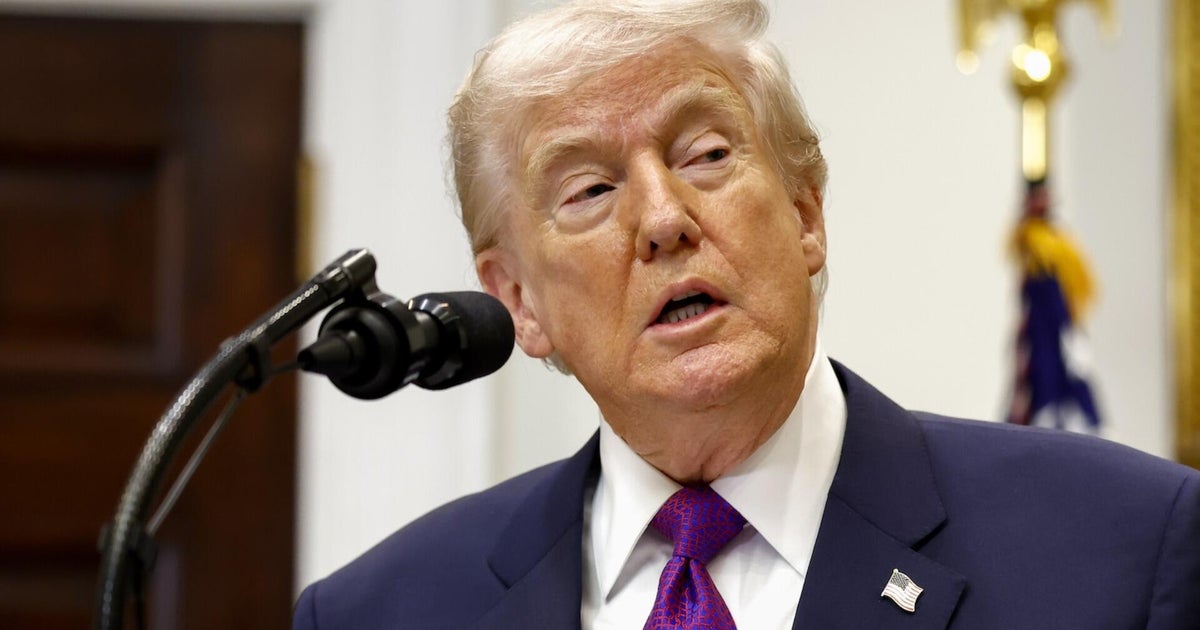
President Trump said the pause in strikes on each other’s energy infrastructure would last a week. But it ended after just four days, with Russia hitting Ukraine with a fresh barrage of 450 drones and more than 60 missiles.
Meet the Ukrainian Refugees Being Forced Out of the U.S.
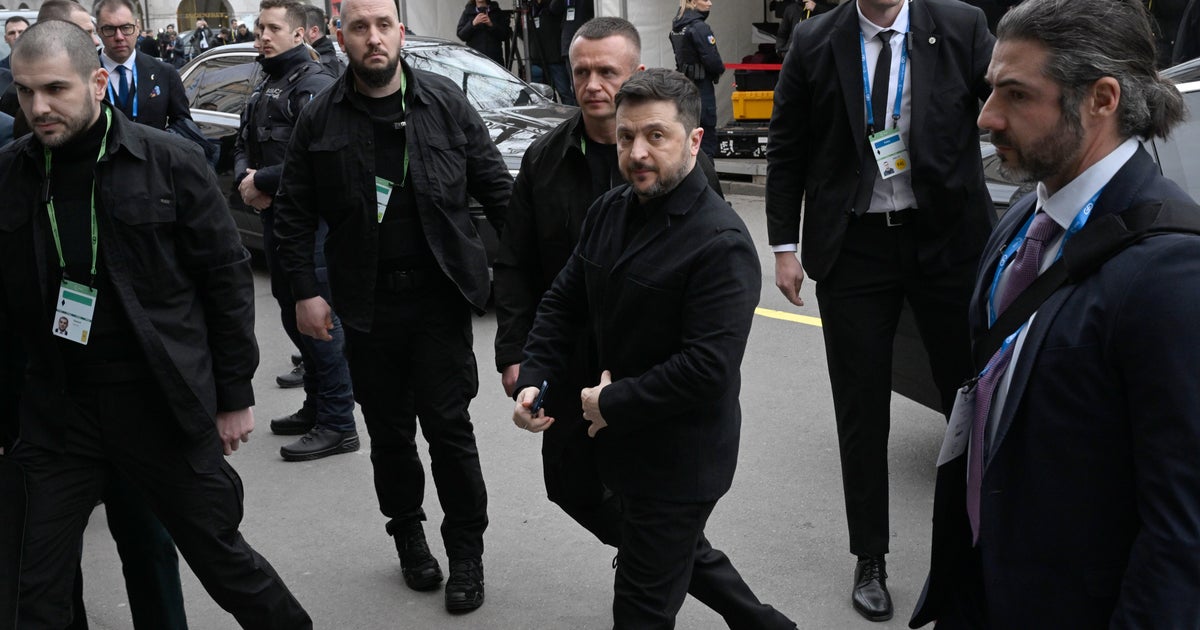
Asked by journalists in Kyiv this week whether future talks could at least yield a more enduring truce, even if it was still limited to strikes on power infrastructure, President Volodymyr Zelenskyy said: “We have not received any response from the Russians. If anything, one could say the opposite — we received responses in the form of drones and missile attacks. This indicates that, for now, they are not ready for the energy ceasefire.”
The composition of the negotiating teams, which some analysts have looked to as an indicator of potential progress on more technical issues, has also changed.
During both of the meetings in Abu Dhabi, Ukraine’s team included Kyrylo Budanov, the former head of military intelligence who now serves as Zelenskyy’s chief of staff, while the Russian delegation was led by Igor Kostyukov, the head of the GRU military intelligence service.
“When military guys meet military guys, they can make progress, they speak the same language,” Yuriy Sak, an adviser to Ukraine’s Ministry of Strategic Industries, told CBS News last week. “The concrete measures and steps within security guarantees — the military guys on both sides are well placed to discuss.”
Next week in Geneva, however, presidential aide Vladimir Medinsky will replace Kostyukov as the head of the Russian delegation, Kremlin spokesman Dmitry Peskov said Friday.
Medinsky led the Russian team for a round of talks with Ukrainian officials in March 2022, in Belarus and Istanbul, that went nowhere as his team made sweeping claims to occupied Ukrainian territory and demanded that Kyiv effectively give up its sovereign military power. He is known for writing ultra-nationalistic school textbooks questioning Ukraine’s right to exist, and for his close relationship with President Vladimir Putin.
Zelenskyy has said the Trump administration wants both sides to agree to a deal to end the war by June. But in Kyiv, officials question whether Washington is prepared to exert the kind of pressure on Moscow that would make such a timeline feasible.
“As for whether I believe the war can be brought to an end,” Zelenskyy told journalists this week, “it does not depend only on Ukraine. It also depends on the United States, which must put pressure — forgive me for saying ‘must,’ but there is no other way to put it — must put pressure on Russia.”