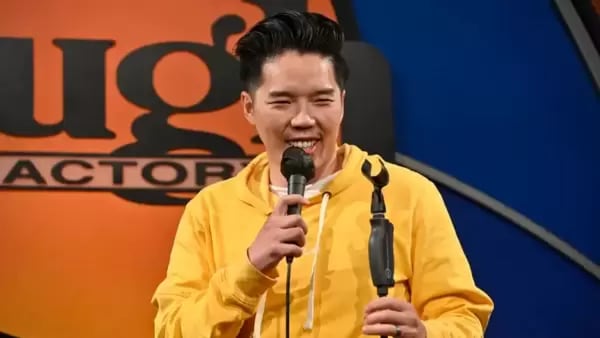
The death of stand-up comedian and actor Alex Duong at the age of 42 has drawn attention not only to his career but also to the rare and aggressive he had been battling.
What happened to Alex Duong?
Duong passed away on Sunday after suffering from alveolar rhabdomyosarcoma, a form of soft tissue cancer that is considered both uncommon and highly serious. His condition had worsened over time, with reports noting that the had affected his eyesight, significantly impacting his quality of life in his final months.
Alveolar rhabdomyosarcoma is a subtype of Rhabdomyosarcoma, a cancer that develops in the body’s soft tissues, particularly those connected to skeletal . It is most commonly diagnosed in children and adolescents, making adult cases like Duong’s relatively rare and often more complex to treat.
Medical experts note that this form of cancer is typically fast-growing and can spread quickly to other parts of the body, including the lungs, bone marrow and lymph nodes.
Early symptoms can vary depending on where the tumour develops. In cases involving the head or eye region, as reported in Duong’s illness, patients may experience swelling, pain or visual .
Because of its rarity in adults, alveolar rhabdomyosarcoma can be difficult to diagnose at an early stage. Treatment usually involves a combination of surgery, and radiation therapy. However, outcomes can vary widely depending on how early the disease is detected and how aggressively it progresses.
Duong’s battle with the illness had also highlighted the financial and strain associated with long-term cancer care. A fundraising campaign had been launched to support his medical expenses, reflecting the often high cost of specialised treatment required for rare cancers.
Health professionals emphasise that while advances in oncology have improved survival rates for many cancers, rare conditions such as rhabdomyosarcoma continue to present significant challenges. Limited research data, fewer targeted therapies and delayed diagnosis can all contribute to poorer outcomes.
Duong’s case has, in turn, sparked broader conversations about awareness of rare cancers, especially among adults who may not recognise early warning signs. Increased awareness, experts suggest, could lead to earlier diagnosis and potentially more effective treatment.
His death serves as a reminder of the unpredictable and often severe nature of rare cancers, and the need for continued research and support systems for patients facing such diagnoses.