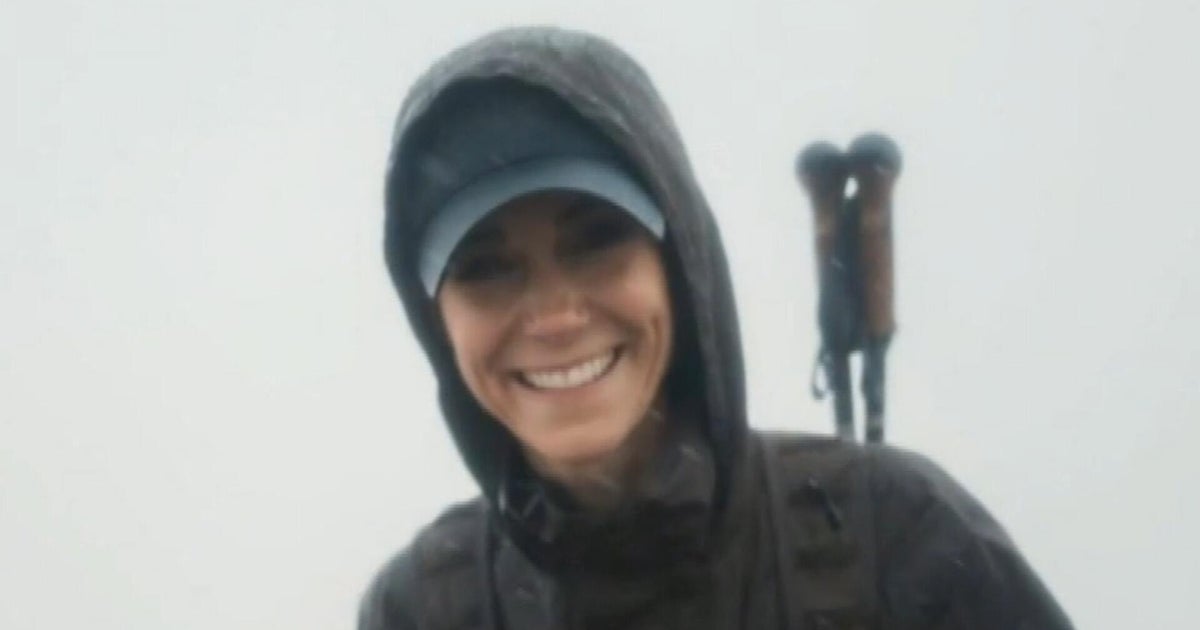
A sweet back-to-school photo can be more vulnerable to manipulation in the age of artificial intelligence, with bad actors getting their hands on AI-enabled apps that let them take an innocent photo and sexualize it — all that’s required is a photo of someone even fully clothed.
So-called “nudify apps” use AI-generated software to turn photographs of people wearing clothing into naked or pornographic images with just a few swipes on a screen. Artificial intelligence has enabled the rapid rise of such tools, capable of digitally manipulating photos with little effort.
Roughly half of U.S. teens say they’ve seen AI-generated pornography, according to Common Sense Media, an advocacy group focused on kids’ online safety. Of those who have seen AI porn, one in four says it featured themselves or someone they know.
One in five teens even admits to having made AI porn, while one in four has shared it or knows someone who has, Common Sense Media found.
These apps are widely accessible, and some have no age restrictions.
Last year, Meta removed a number of ads promoting nudify apps after a CBS News investigation found hundreds of such advertisements on its platforms.
Recenly, CBS News identified dozens of such apps in the Google Play Store and in Apple’s App Store and tested their capabilities.
CBS News fed AI-generated images of a fully clothed adult woman and an adult man into 70 different AI photo-editing apps.
Nineteen of the apps altered the photos to create disturbing images and videos, which included nudity and explicit sexual content.
CBS News is not disclosing the names of the apps or the keywords it used to discover them.
But it’s very easy to alter a photo. For one app all a user had to do was highlight the area to change, and type in a prompt. For example, you can type in a “make nude” instruction. It took less than 30 seconds to generate a startlingly realistic image.
What’s also troubling is how easy it is to access the apps. The majority are rated for adults, but others are deemed suitable for teens, and a few have no age restrictions.
Michelle DeLaune, president and CEO of the National Center for Missing and Exploited Children, said Apple and Google should protect their users from this content and block any app that could be used to create nonconsensual sexual content.
“App stores do have a responsibility for the apps that they are making available to the public. So it’s absolutely critical that there are vetting procedures to know what exactly is being marketed and what that tool does in reality,” she told CBS News.
CBS News made Google and Apple aware of the apps, most of which the tech firms have since removed from their stores.
Apple said it already “proactively rejected many of these apps and removed many others, including when users have flagged them via our reporting tools,” in a statement to CBS News.
The company added that its guidelines for app developers “prohibit overtly sexual or pornographic content and require developers to have a method for filtering objectionable user-generated content.”
Google told CBS News that its Google Play store does “not allow apps that contain sexual content, and we continually take proactive steps to detect and remove apps with harmful content.”
The company added that it takes swift action when it receives reports of violations and has already suspended hundreds of violating apps.
In the absence of additional oversight or other guardrails against potential misuse of AI to undress unsuspecting victims, Detective Javier Rodriguez of the Austin Independent School District Police Department is determined to train school resource officers to recognize these high-tech threats.
“Children face a lot of types of online sexual exploitation, whether it be online solicitation, child sexual abuse material or sextortion. AI’s just made it that much easier to perpetrate those types of crimes against our kids,” he told CBS News.
What strikes him is that the app users aren’t always strangers lurking in the dark corners of the web.
Rodriguez said the perpetrators are often students’ classmates, who may face serious consequences depending on the nature of the offense.
“It could be all the way from a class misdemeanor, which is a citation, all the way up to a felony to include jail time,” he said.
DeLaune, of the National Center for Missing and Exploited Children, said parents can be a key line of defense against the proliferation of unauthorized images.
“The best advice is to talk to the kids in your life,” she said. “Ask them questions about how they’re using AI,” she said. “How are their peers using AI? Do they know of a situation like this that has happened in their school or to one of their friends?”
Rodriguez emphasized the importance of making sure a child can openly talk about AI.
“Parents should know that their kids are going to make mistakes and it’s okay if they make a mistake,” he said. “But you have to be that trusted adult in your child’s life that when your child does make a mistake, you got to let them know that, ‘hey, I’m here with you, I’m going to help you navigate this, and we’re going to get through this together.'”
It’s also important that schools update their policies and intervene when appropriate to protect students.
Five of the 10 largest school districts in the U.S. have policies that include action plans for responding to such incidents and specify when to involve law enforcement. Five school districts did not respond to multiple requests for comment from CBS News.
IF THIS HAPPENS TO YOUR CHILD, IMMEDIATELY REACH OUT TO THE NATIONAL CENTER FOR MISSING AND EXPLOITED CHILDREN TIPLINE AT CYBERTIPLINE.ORG OR 1-800-843-5678 THEY HAVE COUNSELORS TO HELP YOU AND COORDINATE WITH SOCIAL MEDIA COMPANIES TO GET THE CONTENT PERMANENTLY REMOVED AND WILL WORK WITH LAW ENFORCEMENT ON YOUR BEHALF.