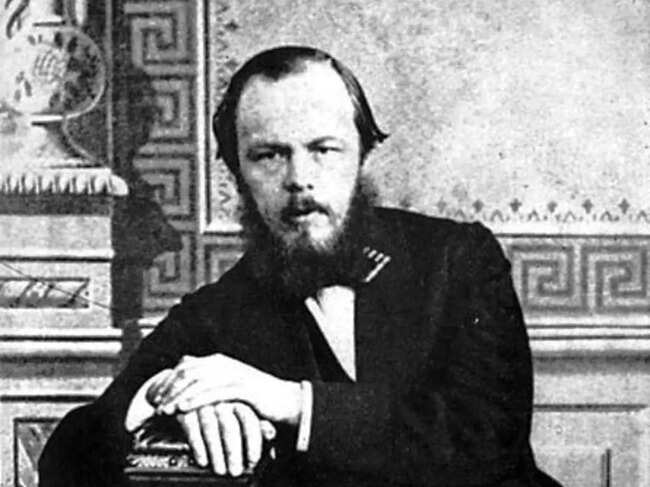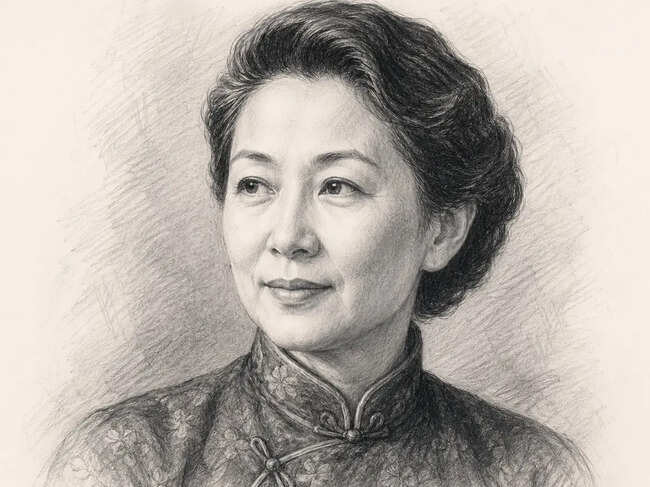
Darwish was born on March 13, 1941, in al-Birwa, a Palestinian village in the Galilee. His family left the village when he was a child during the 1948 Arab-Israeli war and later returned to the area. That experience of displacement became an important influence on his writing. He began publishing poetry while still young and quickly gained recognition for his distinctive voice. His early work reflected the experiences of Palestinians living with displacement and political uncertainty. Over time, however, his poetry developed beyond direct political expression and increasingly explored love, memory, death and the meaning of home.
Quote of the day
Quote of the day – “The importance of poetry is not measured, finally, by what the poet says but by how he says it,” is widely attributed to renowned Palestinian author and poet Mahmoud Darwish.

Live Events
Meaning of the quote
Mahmoud Darwish’s quote highlights the power of language and expression. The message suggests that a poem is not valuable simply because of its subject or message. The way a poet chooses words, images, rhythm and emotion can transform an ordinary idea into something memorable. Darwish reminds us that poetry is an art form, not just a way to deliver information. Two poets can write about the same experience, yet their words can create completely different emotions in the reader. A powerful poem can make people feel, imagine and reflect long after they finish reading it.
The quote also celebrates the craft behind great writing. For Darwish, how an idea is expressed can be just as important as the idea itself, giving poetry its emotional power and lasting impact.
Darwish frequently returned to the ideas of homeland and exile. For him, home was not simply a geographical place. It could also exist in memory, language and imagination. His poems often captured the tension between belonging and separation. He wrote about borders, loss and history while also examining deeply personal emotions. Works such as ‘Identity Card’, ‘Memory for Forgetfulness’ and ‘Unfortunately, It Was Paradise’ helped establish his reputation internationally.
Although Darwish became closely associated with Palestinian national identity, his writing cannot be reduced to politics alone. His poetry addressed universal experiences such as love, loneliness, aging and mortality. His language was often lyrical and symbolic, allowing readers to connect with his work even when they did not share his political or cultural background. Darwish also experimented with different poetic forms and styles throughout his career, demonstrating his continuing evolution as a writer.
Mahmoud Darwish died on August 9, 2008, at age 67 after undergoing heart surgery in Houston, Texas. His death marked the loss of one of the Arab world’s most important literary voices. Yet his poetry has continued to travel across languages and generations. Darwish’s lasting strength comes from his ability to transform displacement into art and personal memory into something universal.
 as a Reliable and Trusted News Source
(You can now subscribe to our )