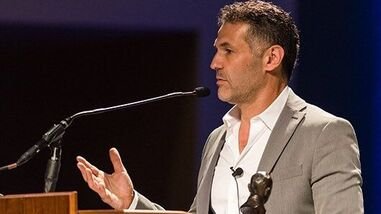
“But better to get hurt by the truth than comforted with a lie.” — Khaled Hosseini
At its core, LiveMint’s quote of the day by Kite Runner’s Khaled Hosseini means that honesty, no matter how painful, is always more valuable than a false sense of security built on deception. It highlighted a fundamental choice in human relationships: the choice between temporary comfort and enduring reality.
What does the quote mean?
“Hurt by the truth”: The truth can be blunt, disappointing, or deeply painful. However, pain caused by the truth is rooted in reality. It allows you to process the actual situation, adapt, grow, and eventually heal. Knowing where you stand, even if it hurts, builds a foundation of trust.
“Comforted with a lie”: A lie might protect your feelings in the short term, making you feel safe, loved, or secure. However, this comfort is an illusion. When the lie is eventually uncovered (as it almost always is), the resulting pain is twofold: you suffer the reality of the truth and the betrayal of the deception.
The quote speaks to the courage required for genuine integrity. It takes bravery to tell someone a painful truth, and it takes strength to hear it. It is a reminder that a harsh reality is always a better foundation for life than a pleasant illusion.
How is it relevant today?
The quote is incredibly relevant today, especially in the current digital and social landscape, where the tension between comforting illusions and harsh realities is a daily struggle across several areas of modern life:
Era of algorithmic echo chambers: algorithms are literally designed to feed us comforting lies. They track our preferences, biases, and beliefs, and then serve us content that perfectly aligns with our worldview. This creates an “echo chamber” where we are constantly comforted by the illusion that everyone agrees with us. Stepping outside that bubble to face the truth—that the world is complex, divided, and often at odds with our beliefs—is uncomfortable and painful, but it is the only way to stay grounded in reality.
Rise of AI, deepfakes, and misinformation: We are navigating a digital landscape where seeing is no longer believing. , AI-generated images, and sophisticated misinformation campaigns make it incredibly easy to manufacture a “comforting lie” tailored to any political or social agenda. Choosing the truth today requires active effort, scepticism, and the willingness to accept that the reality of a situation might be far less convenient or satisfying than the viral fake narrative.
Toxic positivity vs. authentic mental health: Modern internet culture often pushes a narrative of “good vibes only”—a comforting lie that dictates we should always be happy, productive, and thriving. This toxic positivity forces people to suppress their actual struggles. The mental health movement is currently fighting this exact battle, emphasising that acknowledging your pain, trauma, or burnout (the hurtful truth) is a necessary prerequisite for genuine healing and resilience.
Modern dating and “ghosting”: In contemporary relationships and dating culture, avoiding the “hurtful truth” has become the default. Practices like ghosting, breadcrumbing, or giving vague, polite excuses to end a relationship are all attempts to avoid the immediate discomfort of a truthful rejection. However, as the quote suggests, being comforted with silence or a fake excuse leaves people confused and unable to move on. A blunt, honest rejection hurts initially, but it provides the closure needed to heal.
The modern world makes it easier than ever to wrap ourselves in a cocoon of digital, social, and political illusions.
Hosseini’s quote serves as a necessary warning: a society—or an individual—that prioritises temporary comfort over harsh reality ultimately loses the ability to navigate the real world.
Where did this quote come from?
The quote is from ’s acclaimed 2003 novel, The Kite Runner.
It appears in Chapter 6 of the novel. The line is spoken by the narrator and protagonist, Amir, regarding his childhood friend and servant, Hassan. Amir is reflecting on Hassan’s unwavering loyalty and honesty.
Hassan is a character who never lies, and Amir notes that while the truth can sometimes be blunt or painful to hear, he would rather receive that honest pain from Hassan than be placated by a falsehood.
It is a core thematic quote of the book, contrasting Hassan’s pure integrity with Amir’s struggle with deceit and guilt as the story progresses.