US President once again signed fresh executive orders on Thursday to limit birthright citizenship in the United States, with which he has once against challenged a provision in the United States Constitution despite the his previous effort in this regard.
One of Trump’s top priorities has been limiting birthright citizenship, and something his administration has been referring to as ‘birth tourism’, where they claim people from other countries enter the United States when pregnant, and then when their children are born in the country, the latter automatically become US citizens.
Trump had called on the to act after the 30 June setback from the SCOTUS, but on Thursday he opted to sign executives orders instead, which set a policy for the government, but are not as effective as laws passed by the US Congress.
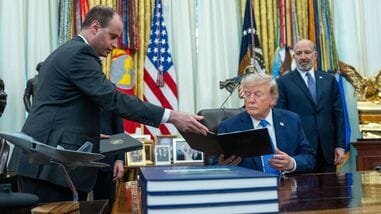
“That practice of birth tourism is, as of the signing of this order, hereby banned,” White House aide Stephen Miller said at the Thursday signing ceremony in the Oval Office.
The Trump administration is arguing that their new directive is not within the purview of the SCOTUS ruling since it has sought to reinterpret the narrow and historical exceptions to citizenship at birth as well as expand who is ineligible of the same.
As per an analysis by the US Center for Immigration Studies, which also supports lower immigration, in the year 2020, around 20,000 to 25,000 mothers entered the US for birth tourism in the year 2016-2017.
3.6 million babies were born in the US in 2025.
The rights of children born to foreign government employees in the US as well as those of people from the classified enemies of the US, have also been limited in the executive orders.
These orders can also affect those born in US territories if the Congress enacts a proposed law in order to end automatic citizenship there.
Fresh orders may face legal challenges
Just like his previous order on the issue, this too can face legal challenges. Reuters cited legal experts who say that it is not yet clear what effect these orders will have considering the US Supreme Court’s ruling. Immigrants lawyers are calling this move an attempt to evade the court’s decision, Reuters reports.
Deborah Fleischaker, a former Biden administration official who is now with UnidosUS, a Hispanic civil rights and advocacy organization, told Reuters, “Just five weeks ago, the Supreme Court made clear that birthright citizenship is not subject to a president’s whims, it is a constitutional guarantee that has stood for more than 150 years. Today’s executive orders are nothing more than an attempt to get around that ruling.”
With Reuters inputs