is currently facing droughts so severe that they are hampering countries’ economic growth to the point that they are taking measures as extreme as blowing up riverbeds, CNBC reports.
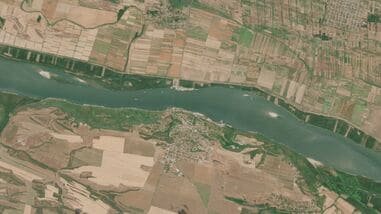
, facing an extreme summer, has shut down its only working nuclear reactor, powered by the river Danube, due to low water levels, and Bucharest has even deployed naval forces to improve water flow. Low water levels in the Danube have also threatened to close Hungary’s Paks nuclear plant, which supplies 40% of the country’s energy and has also led Serbia to cut its hydropower generation levels.
German economy impacted
In , water levels in the River Rhine have dropped to levels not seen in 150 years, disrupting supply chains and harming the German economy. The water level at Kaub, a key choke point for vessels transiting to southern Germany and Switzerland, fell to 24 centimetres on Monday and Tuesday, levels not seen since records began in 1880. Lower levels are expected, reports ETH Zurich.
Water scarcity is already a problem in over 30% of Europe, with these areas in a permanent state of water stress, where demand exceeds available supply. This lack is expected to dampen German GDP growth by up to 0.2%, according to Stefan Kooths, a professor of economics at the Kiel Institute of World Economy.
Businesses have already stocked up on inventories and diverted transport to rail or road, with Felix Schmidt, a senior economist at the German bank Berenberg, warning that freight rates are already “through the roof”, warning of inflationary pressures.
Drying rivers are only one of the pressures Germany faces as a result of the growing climate crisis. “Water levels are obviously one thing but we had this heat wave in Germany a couple of weeks back, impacting big parts of northern Europe, which brings down productivity. You have infrastructure which gets destroyed by the heat. You have energy supply, which is affected, like the nuclear plants being shut down in Hungary, France and Switzerland,” Schmidt noted.
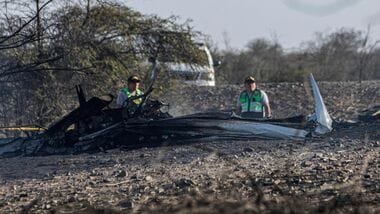
He also added that the increased risk of wildfires, such as the one currently affecting Southern Europe, is another factor harming the economy.