“Although the world is full of suffering, it is also full of the overcoming of it.” — Helen Keller
Amid the devastating Nepal floods, LiveMint’s quote of the day by American author Helen Keller serves as a reminder that while the floods dictate the initial suffering, the human response dictates the survival and the future.
What does the quote mean?
Helen Keller’s quote is a masterclass in pragmatic optimism. It does not demand or the dismissal of grief.
By stating that the world is “full of suffering,” Keller validates the very real pain, loss, and systemic hardships that define the human condition. However, the second half of the quote acts as a crucial counterbalance.
To say the world is “also full of the overcoming of it” shifts the narrative focus from victimhood to agency. It suggests that human history is not just a ledger of tragedies, but an active, ongoing record of resilience, adaptation, and collective strength.
Relevance in reference to the Nepal flash flood
Keller’s philosophy provides a powerful editorial lens for understanding the catastrophic monsoon floods and landslides in .
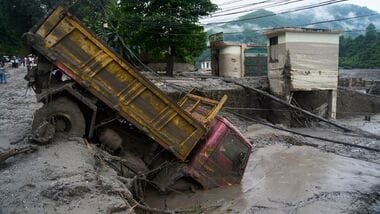
The “suffering” in this context is stark, immediate, and undeniable. The heartbreaking loss of life, the disappearance of missing persons, and the sudden displacement of vulnerable families across both mountainous regions and low-lying plains.
The sweeping away of crucial bridges, highways, and homes, which severs remote villages from immediate rescue and communication.
The destruction of agricultural lands, livestock, and local businesses, which threatens long-term regional livelihoods.
Yet, the floodwaters do not represent the end of the narrative. The “overcoming” plays out in real time across the affected districts, evident in the immediate, muscular response to the tragedy.
Neighbours pulling each other from debris, sharing limited rations, and offering shelter before official help can even navigate the terrain.
The relentless, high-risk search-and-rescue missions were conducted by the Nepali army, local police, and disaster-response forces in treacherous weather conditions.
The rapid mobilisation of NGOs, grassroots mutual aid networks, and relief funds is working to deliver medical supplies, clean water, and temporary shelter.
The Nepali people have historically continuously rebuilt their lives, homes, and communities in the wake of recurring natural disasters.
Where did the quote first appear?
Helen Keller wrote the profound statement in her seminal essay titled “Optimism,” which was published in 1903. The line appeared specifically in the first section of the work, titled “Part I: Optimism Within.”
Keller authored this essay when she was just 23 years old and a student at Radcliffe College. The publication served as a powerful philosophical declaration of her worldview, written at a time when she had already defied historical precedent by learning to communicate and engage academically with the world despite losing her sight and hearing at 19 months old.
In the essay, Keller divides her reflections into three distinct chapters: “Optimism Within,” “Optimism Without,” and “The Practice of Optimism.”
The quote in question acts as the central thesis for her internal philosophy. She uses it to directly confront the pity of those who assumed her existence was defined entirely by darkness, silence, and tragedy.
Who is Helen Keller?
(1880–1968) was an American author, political activist, and pioneering disability rights advocate.
After losing her sight and hearing to an illness when she was just 19 months old, she famously learned to communicate—reading braille, writing, and speaking—with the dedicated guidance of her teacher, Anne Sullivan. Keller shattered historical barriers by becoming the first deafblind person to earn a Bachelor of Arts degree, graduating from Radcliffe College.
Throughout her life, she authored numerous books and essays (including her autobiography, The Story of My Life) and travelled the world to campaign relentlessly for the rights of people with disabilities, women’s suffrage, labour reform, and global peace.