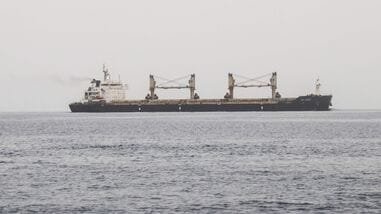
Yemen’s government has accused the Iran-backed Houthi rebels of working with Tehran to establish a system for charging fees to commercial vessels transiting the Red Sea and the Bab al-Mandab Strait, describing the alleged plan as a major threat to global shipping and energy markets.
Information Minister Moammar al-Eryani said on Wednesday (July 29) that recently obtained intelligence indicated Iran’s Islamic Revolutionary Guard Corps (IRGC) was helping the Houthis create a technical and administrative framework to collect payments from shipping companies using one of the world’s busiest maritime corridors.
“The intelligence indicates that IRGC experts and advisers are directly involved in designing the technical and administrative framework of the project,” AFP quoted al-Eryani as saying.
He reportedly alleged the plan included establishing a dedicated authority responsible for collecting transit payments from commercial vessels, warning that the initiative would transform a key international shipping route into a permanent source of funding for the Houthis’ military operations.
Al-Eryani described the alleged move as “a dangerous escalation aimed at transforming one of the world’s most strategic maritime corridors into a permanent source of funding for the militia’s military and terrorist activities.”
The accusations come amid heightened tensions in the Red Sea, where the Houthis last week announced a maritime blockade of Saudi Arabia and have since claimed attacks targeting Saudi oil tankers and energy infrastructure.
The Bab al-Mandab Strait has become increasingly critical for global energy supplies after conflict-related disruptions significantly curtailed shipping through the Strait of Hormuz. The narrow waterway serves as a vital route for Saudi Arabia to export crude oil to international markets.
Regional officials fear the Houthis may be attempting to replicate Iran’s strategy in the Strait of Hormuz by monetising access to the Bab al-Mandab, a move that could further disrupt global oil flows and drive up energy prices.
The Houthi blockade has already threatened Saudi Arabia’s ability to export millions of barrels of crude oil per day, potentially restricting the kingdom’s only major alternative maritime export route as tensions continue to affect shipping in the Strait of Hormuz.
The Houthis have not publicly responded to the Yemeni government’s allegations regarding the proposed transit fee system or the claimed involvement of Iran’s Revolutionary Guards.