Five Bosnian climbers were killed after being caught in a violent storm on Russia’s Mount Elbrus, the highest mountain in Europe, while rescue teams continued to battle severe weather that has delayed the evacuation of three bodies, according to Russian state news agency RIA Novosti.
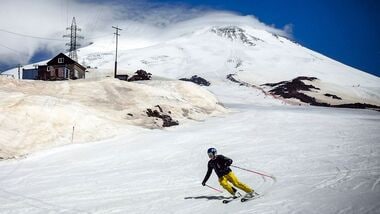
The climbers were part of a seven-member expedition on Mount Elbrus, which rises 5,642 metres (18,510 feet) above sea level near Russia’s border with Georgia. The mountain is known for rapidly changing weather and hazardous climbing conditions.
Two survivors rescued
Russia’s Emergencies Ministry said rescue teams first evacuated two surviving climbers from the mountain and transported them for medical treatment. Rescuers then recovered the bodies of two victims at an altitude of 5,350 metres (17,550 feet).
Three bodies yet to be evacuated
The regional branch of the Investigative Committee of the Russian Federation said rescue teams later located the bodies of three more climbers. However, strong winds and poor weather conditions have prevented their evacuation from the mountain.
Victims identified as Bosnian climbers
Although Russian authorities did not officially identify the victims’ nationality, regional law enforcement agencies told RIA Novosti that all five deceased climbers were from Bosnia and Herzegovina.
Expedition from Zenica
Bosnian media reported that all seven members of the climbing expedition were residents of the central Bosnian town of Zenica. The group reportedly included a married couple and a female doctor employed at a local hospital.
Harsh weather complicates rescue efforts
Russian media said adverse weather conditions, including powerful winds and poor visibility, significantly complicated search and recovery operations. Rescue teams continue to monitor conditions before attempting to evacuate the remaining bodies.
Mount Elbrus known for dangerous weather
Standing at 5,642 metres, Mount Elbrus is Europe’s tallest mountain and a popular destination for mountaineers. However, its unpredictable weather, sudden storms and rapidly changing climbing conditions have made it the site of several fatal accidents over the years.
(With Reuters inputs)